




From Packets to Plates
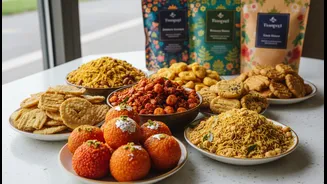
Household names that built empires on bhujia, sweets, and savoury snacks are embarking on a significant strategic evolution. Brands like Haldiram's and Bikanervala are moving beyond their retail roots to establish dine-in restaurants in major international
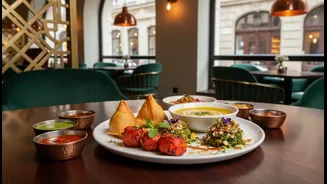
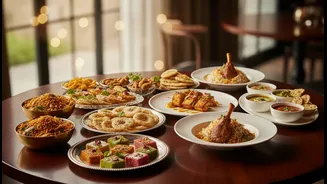
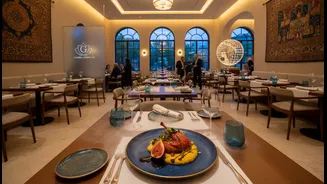
hubs. In June 2026, Haldiram's opened a 120-seat restaurant in London's bustling Leicester Square, attracting long queues of both diaspora members and curious locals. This followed its first international quick-service restaurant launch in Dubai in February 2025. Similarly, Bikanervala has established a presence in the US, Canada, the UK, UAE, and New Zealand, serving its signature vegetarian fare in cities from Irving, Texas, to Hounslow, England. This isn't just about scaling up; it's a fundamental shift from product sales to curated dining experiences, turning brand recognition into a brick-and-mortar welcome.
A Recipe for Global Growth
Several factors are simmering together to make this the right time for expansion. The primary driver is the large and growing Indian diaspora, which provides a ready-made customer base craving authentic tastes of home. The massive turnout for the Haldiram's London opening is a testament to this built-in demand. Beyond the diaspora, there's a surging mainstream appetite for Indian food. Reports show the global Indian cuisine market is projected to grow at a compound annual growth rate of over 9% between 2026 and 2035. People are more willing to experiment beyond generic curries, seeking out the regional specialties and street food classics these brands are famous for. Financially, the move into restaurants offers higher profit margins compared to the competitive packaged goods sector, presenting a lucrative opportunity for established companies.
The Built-In Strategic Advantage
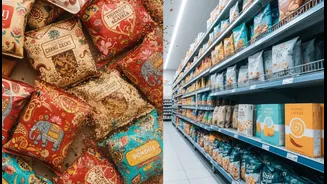
Unlike a new restaurant building a brand from scratch, snack giants enter the market with decades of accumulated trust. For generations of Indians, a name like Haldiram's is synonymous with quality and authentic flavour, significantly de-risking entry into the competitive food service industry. These companies also possess formidable supply chain and manufacturing capabilities. Haldiram's, for example, already operates a manufacturing facility in the UK, which can support its European restaurant ambitions. This vertical integration allows for greater control over quality and costs. The new restaurants often feature a hybrid model, combining a casual dining space with retail counters selling the brand's iconic packaged sweets and snacks, creating a powerful dual revenue stream.
Challenges on the International Menu
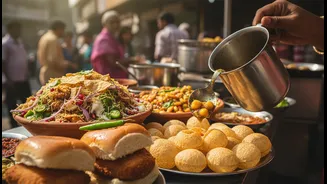
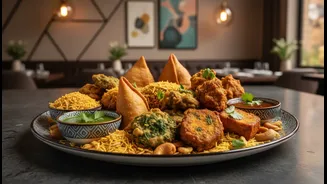
The path to global restaurant success is not without its hurdles. Navigating international food regulations and licensing can be complex and costly, as food is a much more regulated business outside India. Competition is fierce, not only from local restaurants but also from other established Indian chains and fine-dining establishments that are also expanding. Perhaps the most delicate challenge is adapting to local palates without compromising the authenticity that is the brand's core appeal. While menus are often built around beloved classics like Chole Bhature and Raj Kachori, some brands are introducing fusion desserts or milder versions of spicy dishes to attract a wider, non-diaspora audience. Success hinges on striking the right balance between staying true to their heritage and catering to new tastes.