







Your Name on a Billion-Mile Journey
In a tradition that connects humanity to the cosmos, NASA has opened its 'Journey to Titan' campaign, inviting people around the world to add their names to a microchip that will be carried on the Dragonfly spacecraft. This initiative is more than just
a symbolic gesture; it’s a way for the public to become part of a historic mission of exploration. Similar to past campaigns for missions like the Perseverance rover on Mars, which carried over 10 million names, this program allows you to get a personalized digital 'boarding pass' as a souvenir of your participation. The names will be etched onto a silicon chip and affixed to the lander, creating a modern-day message in a bottle destined for one of the most compelling destinations in our solar system. It’s a chance to attach your personal story to a grand chapter in space exploration.
What is the Dragonfly Mission?
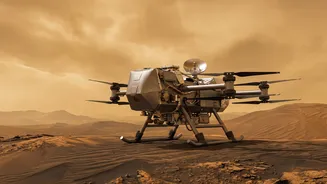
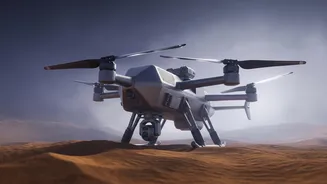
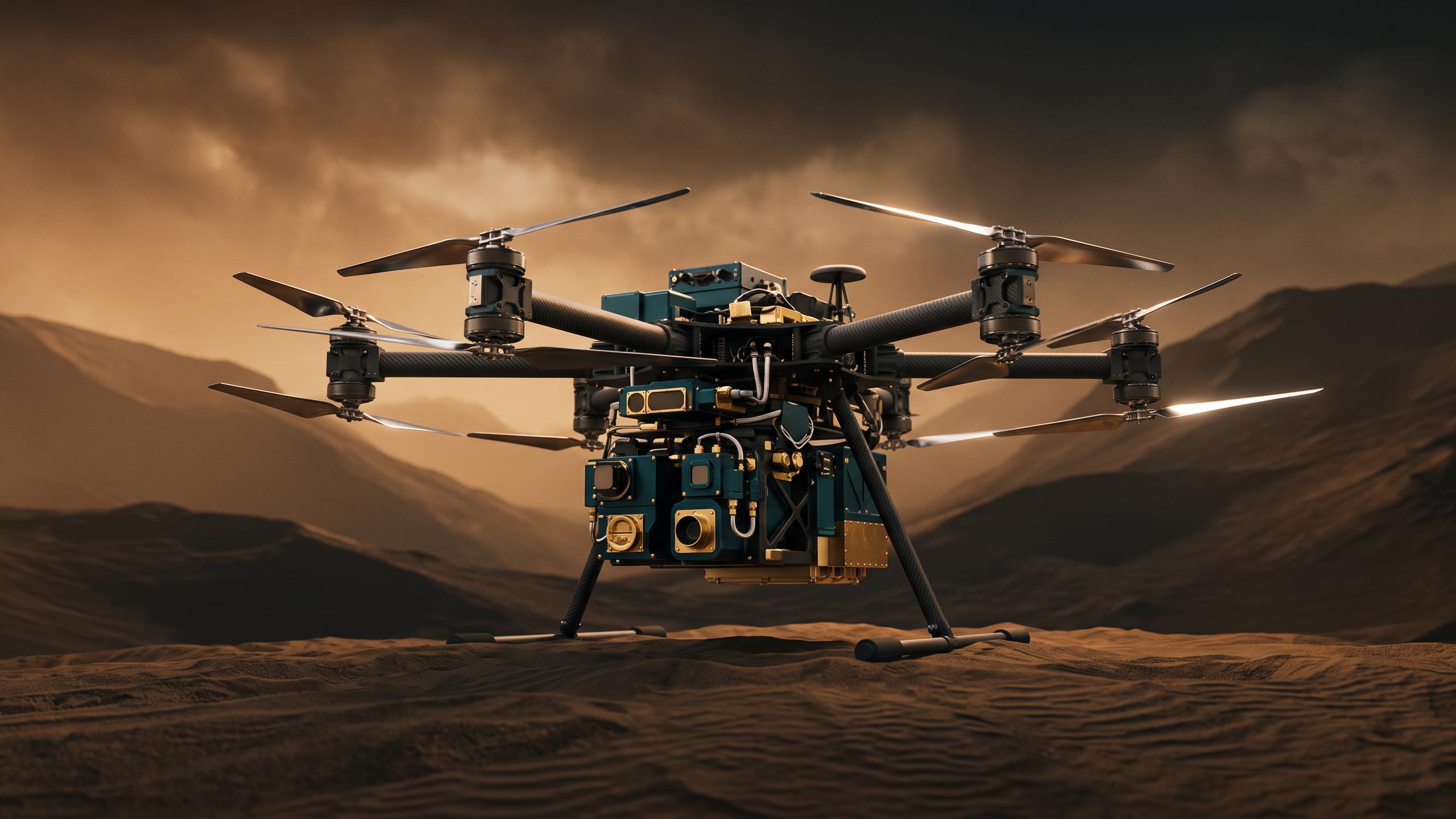
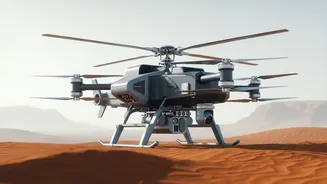
Scheduled for launch in July 2028, Dragonfly is an ambitious, car-sized robotic rotorcraft designed to fly through the skies of another world. After a six-year journey, it is expected to arrive at Titan in 2034. Unlike rovers that are limited to crawling across the surface, Dragonfly is a nuclear-powered drone with eight rotors that will be able to fly from one location to another. This mobility is a game-changer, allowing the craft to explore dozens of diverse sites across the moon, from sand dunes to the floor of an impact crater. Its primary mission is to study prebiotic chemistry — the complex chemical processes that occurred on Earth before life began. By analyzing materials on Titan's surface, scientists hope to gain unprecedented insight into the building blocks of life.
Why Titan? A World of Intrigue
Saturn's largest moon, Titan, is one of the most Earth-like worlds ever discovered. It is the only moon in our solar system with a thick atmosphere, primarily composed of nitrogen like our own. But it’s also a bizarre version of Earth, with mountains made of water ice and rivers, lakes, and seas filled with liquid methane and ethane instead of water. Beneath its hazy orange sky lies a landscape rich in complex organic molecules. Scientists believe that Titan’s environment may resemble what the early Earth was like, making it a perfect natural laboratory to study the ingredients necessary for life. Dragonfly's goal is not to find existing life, but to investigate how far this prebiotic chemistry has progressed in an environment that may have once mixed liquid water with these organic compounds.
How to Add Your Name
Participating in the 'Journey to Titan' campaign is simple and free. To add your name to the list, you can visit NASA's official Dragonfly names website. The form requires only your first and last name. After you submit, the agency provides a personalized, souvenir boarding pass that you can download and share. This is a fantastic opportunity for space enthusiasts, families, and classrooms to connect with a live mission. The deadline for submissions is firm: you have until 11:59 p.m. EST on January 15, 2027, to secure your spot on the microchip. By signing up, you can also opt_in for mission updates, allowing you to follow Dragonfly’s progress from its assembly on Earth to its daring exploration on Titan.
A Legacy Etched in Silicon
Dragonfly is expected to operate on Titan for about 3.3 years, making flights every 16 Earth days (one Titan day, or 'Tsol'). During its time on the ground, it will recharge its batteries using a Multi Mission Radioisotope Thermoelectric Generator (MMRTG), the same type of power source used by the Curiosity Mars rover. The mission will culminate at the Selk impact crater, a site where scientists believe liquid water from the impact may have mixed with the rich organic materials on the surface for an extended period. The names sent on the mission will remain on Titan indefinitely, a permanent testament to the human spirit of curiosity and exploration that pushed us to reach out and touch another world. Your name will be part of a time capsule on a distant moon, a quiet marker of the generation that sent a dragonfly to fly in alien skies.