


The New Era of Guilt-Free Munching
A quiet revolution is happening in India's snack aisles. Somewhere between the traditional samosa and the imported granola bar, a new category is booming. Think of baked, not fried, murukku made with ragi; puffed lotus seeds (makhana) tossed in olive
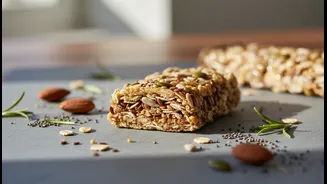
oil and herbs; and savoury lentil sticks boasting high protein content. This isn't about replacing the classics, but reimagining them. Brands are tapping into a powerful consumer insight: people want the indulgent, familiar flavours of their favourite namkeens without the associated guilt. This has led to an explosion of products that deliver on taste while being positioned as functionally better, cleaner, and more aligned with a wellness-oriented lifestyle.
Driven by Health-Conscious Consumers
The primary driver of this trend is a significant shift in consumer mindset. A growing number of Indians, particularly in urban areas, are actively reading nutritional labels and prioritizing their health. Studies show that health is a primary factor in snacking decisions for a majority of people, with many actively seeking snacks that offer functional benefits like sustained energy and high protein content. According to one recent study, 86% of respondents consider protein important when choosing a snack, with nearly a third willing to pay more for protein-rich options. This demand is fueled by a desire for a balanced diet, concerns over lifestyle diseases, and the influence of global health trends.
Decoding 'Modern Nutrition' Positioning
So, what does "modern nutrition positioning" actually mean on a package? It's a marketing language that signals a departure from traditional snack attributes. Instead of being simply tasty and crunchy, these products are highlighted for what they contain and what they omit. Key claims include "high protein," "baked, not fried," "rich in fibre," "no trans fats," and "made with natural ingredients." Protein, once a niche concern for fitness enthusiasts, has become a mainstream selling point. Similarly, the use of ancient grains like millets (ragi, jowar, bajra) instead of refined flour is a major draw, offering a higher nutritional value. This clean-label approach, emphasizing transparency and avoiding artificial preservatives or MSG, resonates strongly with today's informed consumer.
Traditional Tastes in a New Avatar
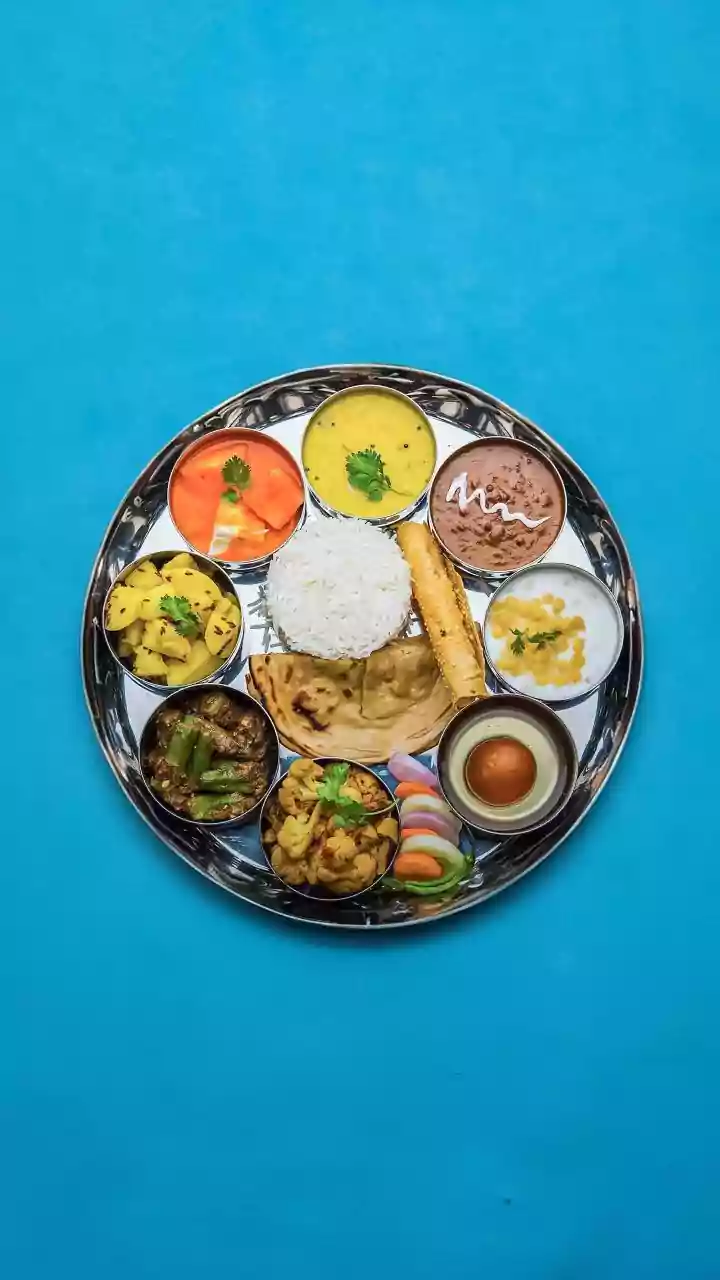
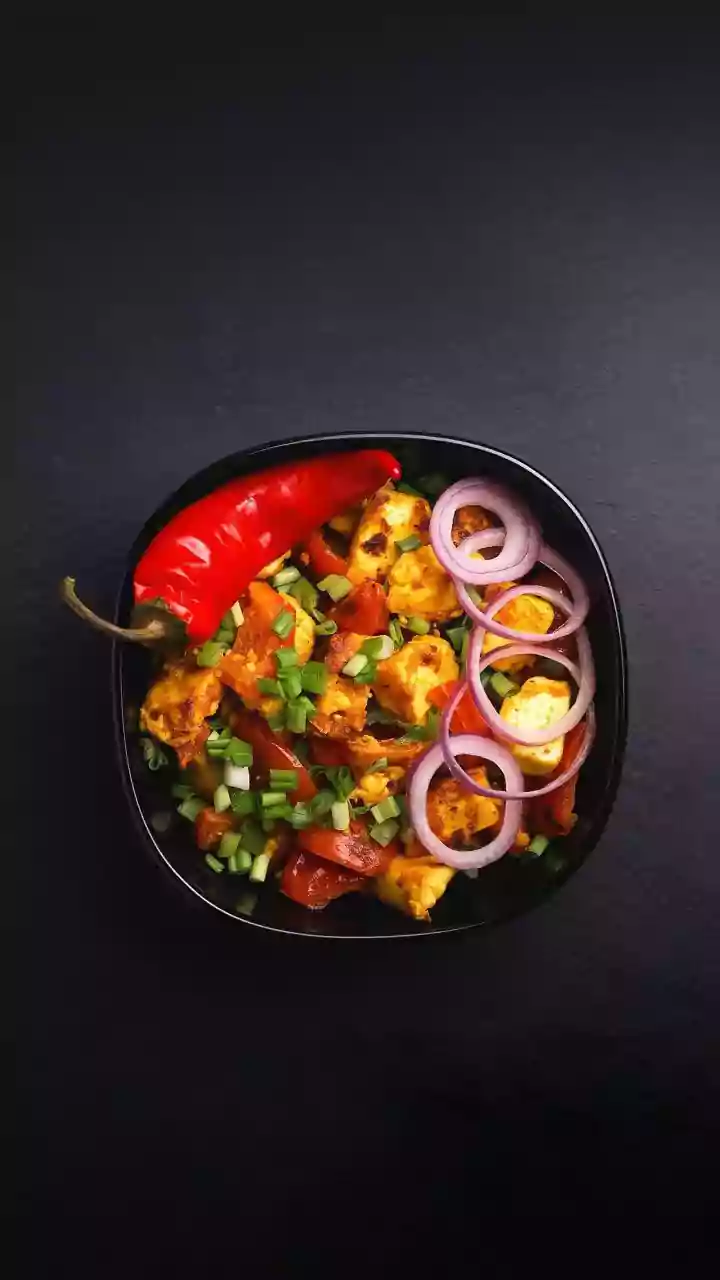
The genius of this trend lies in its fusion of the old and the new. Rather than introducing alien flavours, successful brands are giving beloved Indian snacks a healthy makeover. For instance, the humble chana (chickpea) is now a star, sold roasted and spiced as a high-protein, low-fat alternative to fried snacks. Dhokla, always a relatively healthy steamed snack, is now celebrated for its protein and probiotic qualities. Even indulgent snacks like murukku (chakli) are being reinvented using protein-rich ragi flour and baking instead of deep-frying. Paneer tikka, sprouts salad, and moong dal cheelas are other traditional high-protein foods now being packaged and marketed as convenient, healthy snacks.
The Business of Better-for-You Snacking
This consumer shift has created a massive market opportunity, projected to be worth thousands of crores by 2030. A host of direct-to-consumer (D2C) brands have emerged, leveraging digital marketing and quick commerce platforms to reach health-conscious audiences directly. These nimble startups are challenging legacy food giants by focusing on ingredient transparency and innovative product development. The rise of quick commerce has been a particularly powerful catalyst, enabling impulse purchases of healthy snacks and making them as accessible as their traditional counterparts. As a result, India's D2C snacking scene has become one of the most competitive and dynamic consumer categories.