


That familiar jar of achaar or tangy chutney on an Indian dining table is more than just a flavour enhancer. It’s a link to ancient food wisdom, where traditional preservation methods double as a powerful tool for supporting our health.
The Gut-Immune System Connection
To understand how
a simple condiment can influence your well-being, we first need to look at the gut. Our digestive system is home to trillions of microorganisms, known as the gut microbiome. Think of it as a bustling internal ecosystem. A healthy, diverse microbiome is crucial because it helps break down food, absorb nutrients, and, most importantly, regulate our immune system. In fact, it is estimated that 70-80% of our immune cells reside in the gut. When the gut environment is balanced, it helps our immune system function effectively, fighting off pathogens without overreacting. An imbalance, on the other hand, can weaken our body's defences. This is where fermented foods come into play.
Fermentation: A Traditional Probiotic Powerhouse
For centuries, before refrigeration existed, fermentation was a primary method of preserving food. This natural process involves microorganisms like beneficial bacteria and yeasts transforming the food's composition. This not only extends its shelf life but also enriches it with probiotics—live, beneficial bacteria that support a healthy gut. When we eat properly fermented foods, these probiotics help replenish the good bacteria in our gut, promoting better digestion and creating a favourable environment for our immune cells to thrive. Traditional Indian food culture is rich with this knowledge, turning everyday ingredients into probiotic treasures long before the term 'probiotic' became a wellness buzzword.
Spotlight on Regional Fermented Treasures
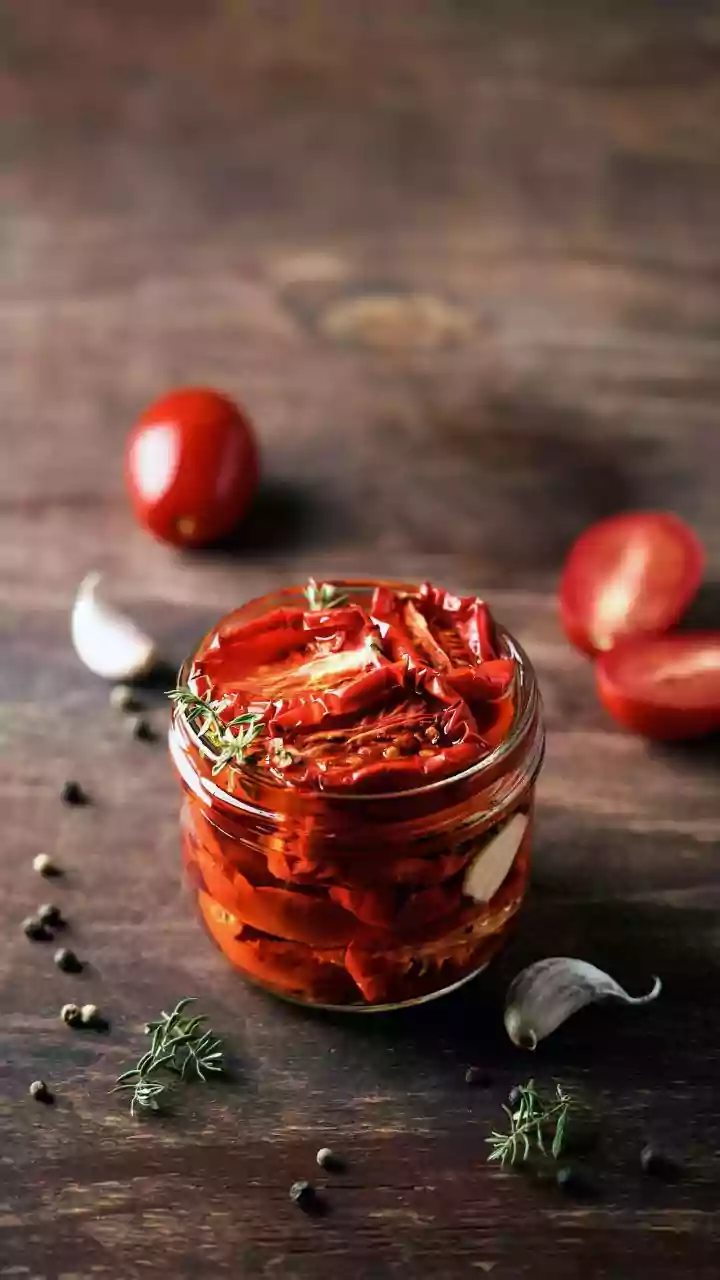
India's diverse culinary landscape offers a wide array of fermented condiments. Traditional Indian pickles (achaar), for example, are often made through lacto-fermentation, a process that creates beneficial lactic acid bacteria. In the Northeast, you'll find 'Gundruk' and 'Sinki', made by fermenting leafy greens and radish roots, respectively. These are valued not just for their unique sour taste but also for their role in promoting gut health. Down South and in the East, 'Pazhaya Sadam' or 'Panta Bhat'—overnight fermented rice—is a traditional meal cherished for its cooling properties and probiotic content. Fermentation makes the nutrients in rice, like B vitamins and iron, more easily absorbed by the body.
More Than Just Fermentation
The health benefits of these condiments aren't just from fermentation alone. They are packed with traditional digestive spices that work in synergy with the probiotics. Spices like turmeric, fenugreek (methi), asafoetida (hing), cumin (jeera), and fennel (saunf) are staples in Indian pickling and cooking for a reason. Turmeric is known for its anti-inflammatory properties, while spices like ajwain and hing are famed for their ability to reduce gas and bloating. Fennel and cumin seeds help stimulate digestive enzymes, ensuring food is broken down more efficiently. These spices not only add complex flavours but also act as 'gatekeepers', creating an environment where beneficial bacteria can flourish while inhibiting harmful ones.