







What Exactly is E20 Fuel?
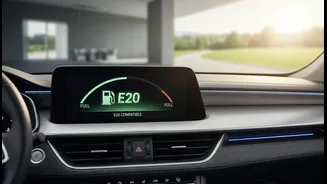
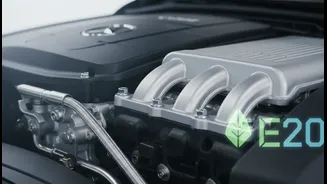
E20 fuel is a blend of 20% ethanol and 80% petrol. Ethanol is a renewable fuel produced from agricultural sources like sugarcane and maize. The Indian government has been actively promoting ethanol blending to reduce the country's heavy reliance on imported
crude oil, lower carbon emissions, and support the agricultural sector. While India has been gradually increasing the blend percentage for years, the widespread availability of E20 marks a significant milestone in this journey, making it the default petrol at most stations.
The Cost Question: Is It Cheaper?
The primary reason budget-conscious drivers are interested in E20 is the potential for savings, but the reality is nuanced. The government has clarified that at current global crude oil prices (around $70 per barrel), producing E20 is not necessarily cheaper than regular petrol. This is because the procurement price for domestically produced ethanol is kept at a level that provides a fair return to farmers. However, the real financial benefit for the consumer comes from price stability. Because 20% of the fuel is sourced domestically, it is insulated from the wild swings of the global oil market. This has helped India moderate fuel price increases compared to its neighbours. So, while E20 may not be cheaper at the pump on a given day, it helps protect drivers from sharp price shocks in the long run.
Carmakers Are All In
Concerns about vehicle compatibility can be a major hurdle for any new fuel. Recognising this, virtually all major automakers have made their new models E20-compatible. In July 2026, leading brands like Maruti Suzuki, Hyundai, Mercedes-Benz, and BMW have actively reassured customers that their vehicles are ready for E20. Maruti Suzuki has even stated that after extensive testing, no issues were found even when using E20 in older, E10-certified cars. This wide-scale industry adoption, with many brands having E20-ready cars on sale since 2023 or 2025, gives buyers confidence that they are not investing in a niche technology but in the new national standard.
The Mileage Trade-Off
One of the biggest concerns for any cost-conscious driver is mileage. Ethanol has a lower energy density than petrol, which means it can lead to a slight reduction in fuel efficiency. Government bodies and testing agencies have estimated this drop to be in the range of 3-5%. While this might seem like a drawback, many argue it's a small price to pay for the benefits. Manufacturers point to other advantages of E20, such as a higher octane rating, which can lead to smoother acceleration and better engine performance in modern, compatible engines. For many drivers, a marginal drop in mileage, which can be influenced by driving habits anyway, is an acceptable trade-off for more stable long-term fuel costs and cleaner engine operation.
The Bigger Picture: Energy Security and Environment
While the immediate focus for most drivers is their wallet, the E20 initiative has broader national benefits. By promoting a domestically produced fuel source, India reduces its multi-billion dollar oil import bill and enhances its energy security. It also provides a major boost to the rural economy by creating a stable market for agricultural products used in ethanol production, directly benefiting farmers. Environmentally, E20 burns cleaner than pure petrol, resulting in lower emissions of carbon monoxide and other pollutants. For a growing number of consumers, being part of this larger positive impact adds another layer of support for the transition to E20.