




A New Space Race, Fought by Startups
The Indian space sector is no longer solely the domain of the Indian Space Research Organisation (ISRO). Following landmark policy reforms in 2020 that opened the sector to private enterprise, a vibrant startup ecosystem has emerged. Today, there are
more than 400 space-tech startups registered with IN-SPACe, the government's single-window agency for private space activities. This number has grown rapidly from just a handful a few years ago. This private sector boom is transforming India into one of the world's fastest-growing space economies, with projections suggesting the market could reach $44 billion by 2033. This rapid growth is fueled by significant venture capital investment, with startups attracting hundreds of millions of dollars to fund their ambitious projects.
The Jobs Go Far Beyond Astronauts
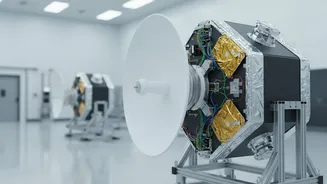
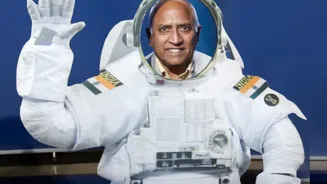
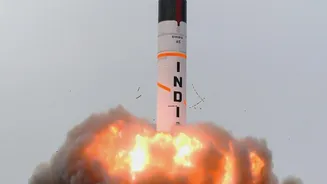
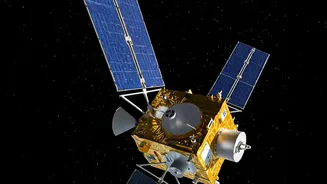
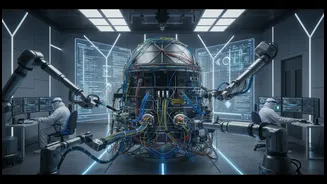
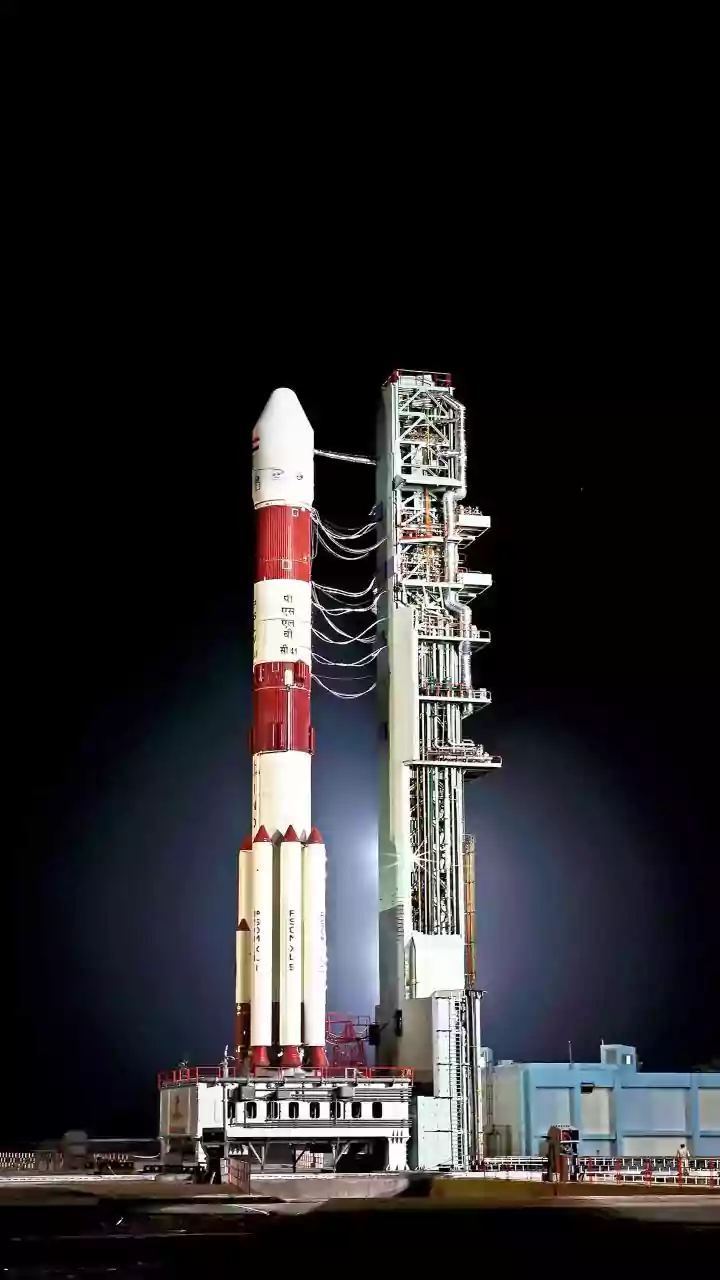
The image of a space career is often limited to astronauts and rocket scientists, but the reality in India's new space economy is far broader and more accessible. While aerospace engineers are certainly in demand, private companies are aggressively hiring for a wide range of roles. These include software developers, AI and machine learning specialists, data analysts, robotics experts, and even cybersecurity professionals to protect space-based assets. Companies like Skyroot Aerospace, Agnikul Cosmos, Pixxel, and Dhruva Space are building everything from launch vehicles and 3D-printed engines to satellite constellations for earth observation. This has created demand not just for technical talent, but for business managers, legal associates, and project managers who can help these companies scale.
The Allure of the Launchpad
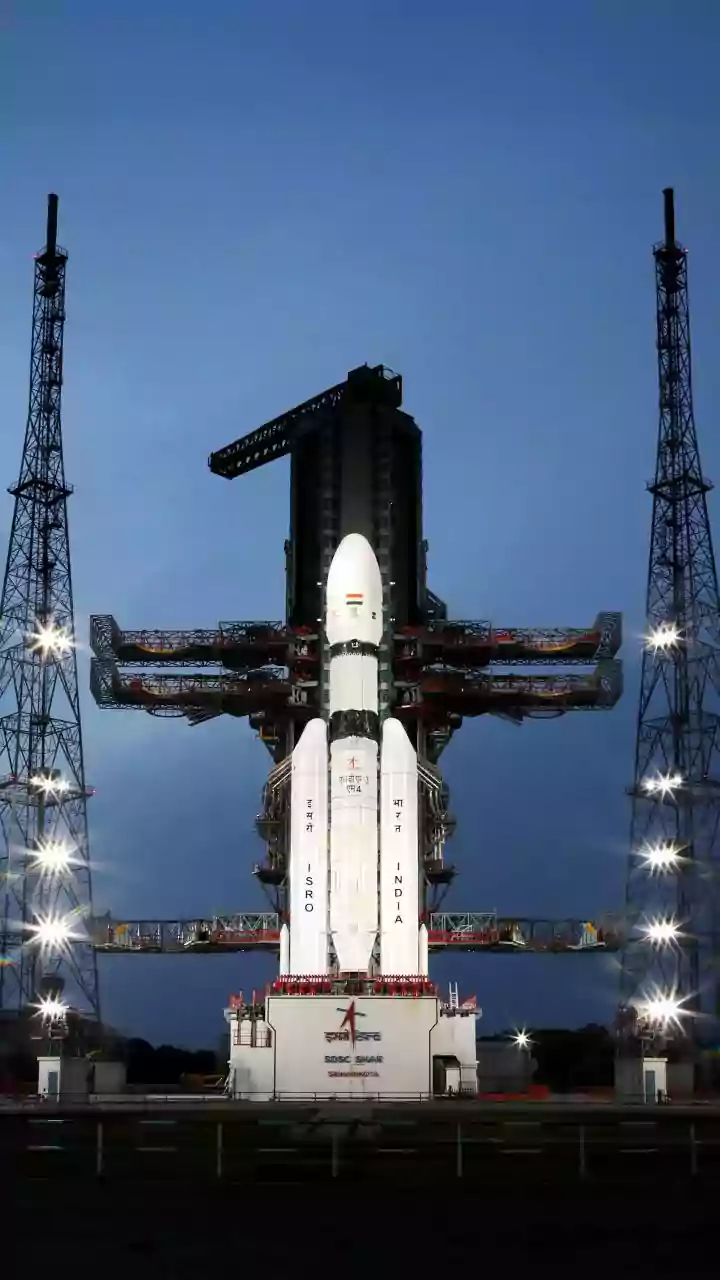
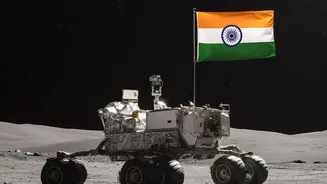
For a generation that grew up celebrating the successes of ISRO's Chandrayaan and Mars Orbiter Missions, the appeal of a space career is immense. The lunar landing of Chandrayaan-3, in particular, sparked a significant surge in interest, with applications to ISRO spiking dramatically. The private sector offers a different, often more dynamic, path. Startups provide a fast-paced environment where young professionals can work on cutting-edge technology from scratch. While a career at ISRO offers stability and prestige, startups offer potentially higher salaries, equity options, and a less bureaucratic culture. This combination of national pride, meaningful work, and competitive compensation is proving to be a powerful magnet for top talent, even drawing experienced scientists away from ISRO and other established firms.
From Brain Drain to Brain Gain
In a significant reversal of past trends, the growth of the private space sector is creating a 'brain gain' for India. For years, top engineering talent might have looked to Silicon Valley or other global tech hubs for the most exciting opportunities. Now, many are choosing to stay and build India's space future. The industry is not only retaining fresh graduates but also attracting experienced Indian professionals back from overseas. Furthermore, the expertise of veteran ISRO scientists is now being leveraged by the private sector, as many seasoned experts transition to leadership roles in startups, bringing invaluable experience to these burgeoning companies. This transfer of knowledge is seen as crucial for the maturation of the entire ecosystem, accelerating innovation and helping private firms navigate the complex challenges of the space industry.