


Why Monsoon Demands Extra Caution
The combination of warmth and high humidity during the monsoon season dramatically accelerates food spoilage. Microorganisms like bacteria and mould thrive in these moist conditions, meaning cooked food left at room temperature can become unsafe much
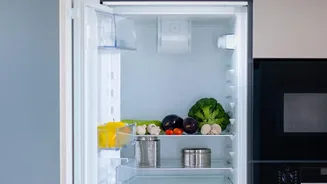
faster than in drier weather. The Food Safety and Standards Authority of India (FSSAI) warns that cooked food should not be left out for more than two hours. After this, it enters the 'danger zone'—temperatures between 5°C and 60°C—where bacteria can multiply rapidly. This heightened risk of contamination is a leading cause of the spike in food poisoning cases, diarrhoea, and other stomach infections seen during the rainy season. Even your refrigerator has to work harder, and frequent power cuts can compromise its ability to keep food safely chilled.
The Golden Rules of Safe Reheating
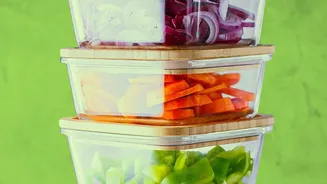
Before getting into specific dishes, it's crucial to follow some universal food safety rules. The most important principle is to reheat food thoroughly, not just until it's warm. The FSSAI recommends reheating food until it reaches a core temperature of at least 75°C. For liquid-based dishes like dals and soups, bringing them to a rolling boil is a reliable way to ensure they are safe. A common mistake is reheating the entire container of leftovers when you only plan to eat a single portion. FSSAI advises against this; instead, you should separate the amount you need and reheat only that. This prevents the remaining food from being repeatedly heated and cooled, a practice that degrades nutrients and increases the risk of bacterial growth. Finally, never reheat leftovers more than once.
Reheating Curries, Dals, and Gravies
For Indian staples like dal, sambar, and meat or vegetable curries, the stovetop is your best friend. Pour the curry into a pan and heat it over a medium flame, stirring occasionally to ensure it heats evenly. Bringing the dish to a full, rolling boil for a minute or two is the most effective way to kill any bacteria that may have developed during storage. If you're short on time, a microwave can be used, but do it correctly. Place the curry in a microwave-safe bowl, cover it, and heat it in short bursts on medium power, stirring in between. This prevents the edges from boiling over while the centre remains cold. Adding a splash of water can help prevent the sauce from splitting or becoming too thick.
Reviving Rice and Indian Breads
Reheating rice can be tricky, as it often becomes dry and hard. The key is to add moisture. For plain rice or pulao, sprinkle a few tablespoons of water over it before heating. In a microwave, cover the bowl to trap the steam, which will help soften the grains. On the stovetop, add a little water to a pan, bring it to a simmer, add the rice, cover, and let it steam for a few minutes until fluffy. Leftover rotis, chapatis, or parathas can be easily revived. Simply place them on a hot tawa for about 30 seconds on each side. You can add a tiny bit of ghee or butter to make them soft and flavourful again. It's best to store rotis in a sealed container in the fridge and use them within a day.
Crisping Up Fried Snacks
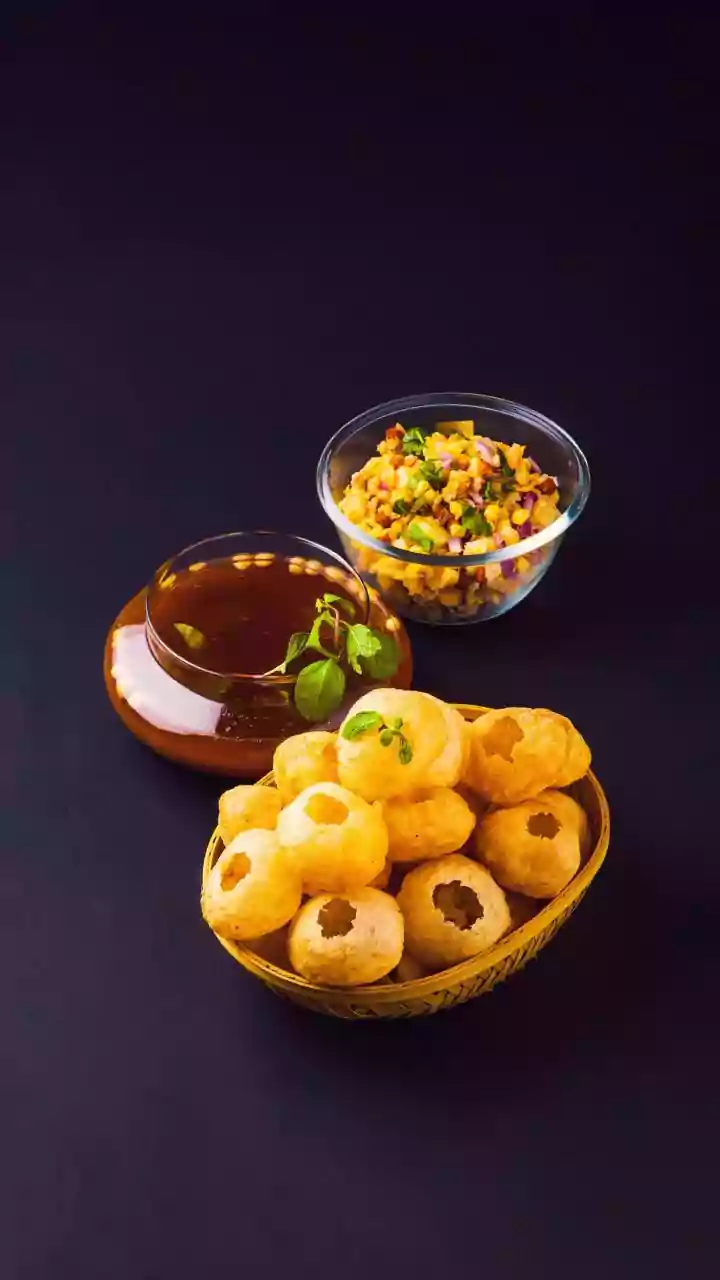
There's nothing more disappointing than a soggy, reheated samosa or pakora. The microwave is the biggest enemy of crispy food, as it will only make them limp and oily. To restore fried snacks to their former glory, you need dry heat. The best methods are using an oven or an air fryer. Preheat your oven to around 180°C and place the snacks on a baking sheet. Heat them for 5-10 minutes, or until they are hot and crispy again. An air fryer will achieve this even faster. This method works perfectly for everything from bhajis and kachoris to vadas, ensuring they are enjoyable and safe to eat.
Foods to Be Cautious With
While most leftovers can be safely reheated, some foods pose a higher risk, especially during the monsoon. Cooked rice is a primary concern because it can contain spores of a bacteria called Bacillus cereus. These spores can survive cooking and produce toxins if the rice is left at room temperature for too long; these toxins are not destroyed by reheating. Therefore, it's vital to refrigerate rice promptly and consume it within 24 hours. Other foods to be careful with include leafy green vegetables, which can harbour bacteria, and seafood, which spoils very quickly if not stored at a proper cold temperature. When in doubt, it is always safer to discard food you are unsure about rather than risk illness.