




The Magic of Air Frying Explained
An air fryer isn’t some futuristic gadget; it’s essentially a compact convection oven that uses a fan to circulate superheated air at high speeds. This rapid air movement cooks food and creates a crispy exterior that mimics the effect of deep-frying.
Instead of submerging food in a kadhai of hot oil, you only need a light brush or spray. This simple change in technique is how the appliance dramatically reduces the oil absorbed by the food, making it a popular choice in health-conscious Indian kitchens.
The Calorie and Health Perks
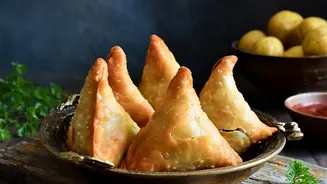
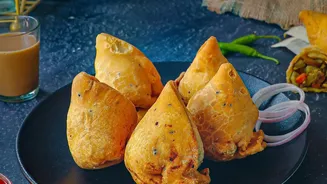
The primary benefit of air-frying is the significant reduction in fat and calories. A deep-fried samosa can contain 250-300 calories, but its air-fried counterpart typically has around 180-220 calories. This is because air frying can cut oil absorption by up to 80%. Beyond calories, this method also has other health advantages. It reduces the formation of acrylamide, a potentially harmful compound that can form when starchy foods are cooked at very high temperatures. Furthermore, cooking at slightly lower temperatures can help retain more of the food's natural nutrients, which are sometimes lost in traditional deep-frying methods.
Essential Tips for the Perfect Crunch
To get the best results when converting a deep-fried recipe to an air-fried one, a few rules apply. First, always preheat your air fryer for a few minutes; this helps create a crispy exterior from the moment the food goes in. Second, don’t overcrowd the basket. Snacks need space for the hot air to circulate around all sides to crisp up properly. For items like samosas or tikkis, a light brush or spray of oil is crucial for achieving that golden-brown finish. Finally, remember to shake the basket or flip the items halfway through the cooking time to ensure they cook and brown evenly.
Adapting Your Favourite Snacks
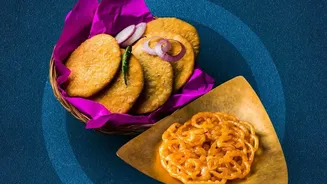
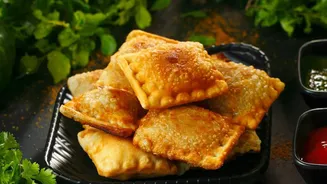
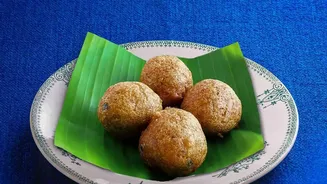
Many beloved Indian snacks adapt beautifully to the air fryer. For samosas, simply prepare them as usual, brush lightly with oil, and air fry at around 180-200°C for 15-25 minutes until golden. For pakoras or bhajis, the key is to make the batter slightly thicker than you would for deep-frying so it doesn’t drip through the basket. Spoon the thick mixture into the preheated basket, spray with oil, and cook at 200°C for 12-14 minutes. Aloo tikkis, paneer tikka, and even medu vadas can also be made successfully, often just requiring a light oil coating and a watchful eye on the timer.
Managing Expectations on Taste and Texture
It’s important to be realistic: an air-fried snack will not taste identical to its deep-fried original, but it can be delicious in its own right. The filling of a samosa or tikki will taste the same, but the pastry will be different. Instead of the rich, flaky, and sometimes bubbly crust from deep-frying, an air-fried version offers a lighter, satisfying crunch that can be slightly drier but avoids any greasy aftertaste. Many find this trade-off more than acceptable, enjoying the crispiness without the heaviness of a traditionally fried snack.