











The Monster in the Cave
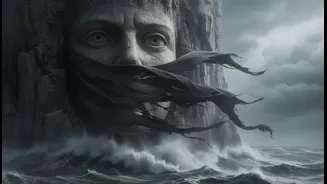
In Homer’s epic poem, the Cyclops Polyphemus is a terrifying obstacle in Odysseus’s long journey home. After the Trojan War, the hero Odysseus and his men find themselves on an island inhabited by Cyclopes. Seeking supplies, they enter a large cave, only
to be trapped inside by its resident, Polyphemus, a one-eyed giant and son of the sea god Poseidon. What follows is a brutal horror story. Polyphemus shows no hospitality, instead devouring six of Odysseus's crew. To escape, the cunning Odysseus gets the giant drunk, tells him his name is “Nobody,” and then drives a sharpened stake into his single eye while he sleeps. As Odysseus and his surviving men escape, the blinded Cyclops cries out that “Nobody” is hurting him, ensuring no one comes to his aid. The encounter is a showcase of Odysseus’s intellect and hubris, and it’s the Cyclops’s prayer to his father for revenge that curses the rest of Odysseus's journey.
The Nolan Perspective
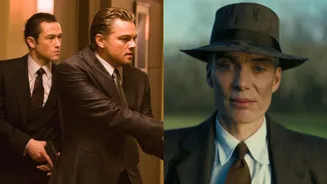
To understand how Polyphemus could become a victim, you have to understand Christopher Nolan’s filmmaking. Nolan has built a career on toying with perspective, morality, and time. From the shifting allegiances in “The Dark Knight” trilogy to the dream-layered worlds of “Inception” and the complex legacy of J. Robert Oppenheimer, Nolan is fascinated by characters who are not easily defined as heroes or villains. He often builds his narratives around a subjective point of view, forcing the audience to question what they think they know. His films are meticulously crafted puzzles where the villain often has a coherent, if twisted, logic. Consider how “Oppenheimer” presented its subject not just as the father of the atomic bomb, but as a man haunted by the consequences of his own genius. Applying this lens to a figure like Polyphemus feels like a natural, if ambitious, next step for the director.
A Cyclops's Point of View
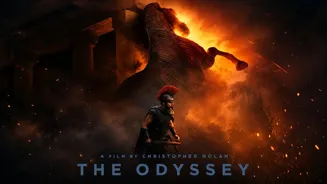
So, how could a Nolan-directed 'Odyssey' flip the script on Polyphemus? The possibilities are as vast as the sea Odysseus sailed. The story is traditionally told from Odysseus’s perspective, casting him as the hero and Polyphemus as the monster. But from the Cyclops's point of view, the story looks very different. A group of armed men entered his home uninvited, helped themselves to his food, and then violently blinded him. Nolan could frame the encounter as a home invasion. In his version, Odysseus might not be a wily hero, but a desperate and morally compromised soldier far from home. The film could use Nolan’s signature non-linear storytelling to show events from Polyphemus’s perspective before, during, and after the blinding. Bill Irwin, who voiced the robot TARS in Nolan's "Interstellar," has been cast as the Cyclops, suggesting the role will require more than just monstrous growls. A performance-driven approach could transform the character from a simple beast into a tragic figure, isolated and defending his territory from invaders.
Mythology for a Modern Age
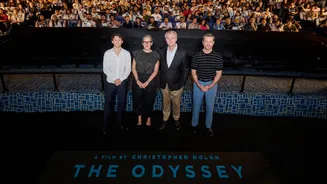
This kind of revisionism is part of a larger cultural trend. In recent years, books like Madeline Miller’s “Circe” and Pat Barker’s “The Silence of the Girls” have retold ancient myths from the perspectives of their marginalised female characters. This movement seeks to find new relevance in old stories by giving a voice to the voiceless and questioning the black-and-white morality of the original epics. Audiences are increasingly drawn to stories that explore the nuance and complexity behind traditional tales of good and evil. Nolan’s film, with its massive budget and star-studded cast including Matt Damon as Odysseus, is poised to bring this revisionist approach to its largest audience yet. By potentially reframing Polyphemus, Nolan isn't just making a monster movie; he’s participating in a centuries-old tradition of reinterpreting myths to reflect the values and anxieties of the current moment.