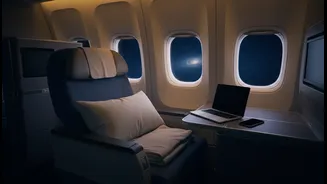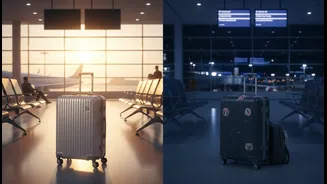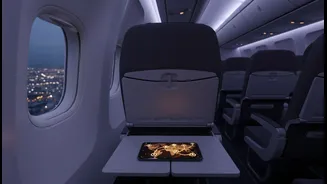






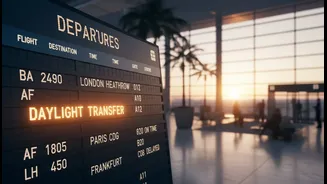


The Connection Conundrum
In-flight Wi-Fi has transformed air travel from a disconnected pause into an extension of our daily lives. We can now message friends, answer work emails, and scroll through social media feeds from 35,000 feet. While this connectivity feels productive
or entertaining, it creates a unique biological conflict. Your body is physically hurtling toward a new destination, but your brain remains mentally and socially anchored to the time zone you left behind. This constant engagement with your 'home' time can make it significantly harder for your internal body clock, or circadian rhythm, to begin the crucial process of adjusting to your destination's schedule before you even land.
Your Brain on Blue Light
The primary issue is light. Our circadian rhythms are powerfully regulated by light exposure. The blue light emitted by screens on smartphones, tablets, and laptops is particularly potent. It signals to our brain that it's daytime, suppressing the production of melatonin, the hormone that tells your body it's time to sleep. When you're on a flight where you should be resting to align with your destination's night-time, exposing your eyes to a bright screen held close to your face is like telling your brain to stay awake. This effect is so pronounced that even with a device's night mode enabled, the best strategy is to avoid screens altogether in the hours you've designated for in-flight sleep.
A Socially Stimulated Mind
Beyond the biological impact of blue light, there's a psychological component. Actively engaging in conversations, whether with family back home or colleagues in a different time zone, keeps your mind in an alert and stimulated state. This mental arousal is the opposite of the wind-down process your body needs to initiate sleep and adapt. Replying to a late-night message from your departure city or scrolling through a lively social media feed reinforces your old schedule, making the disconnect between your internal clock and your new environment even more jarring upon arrival. The engaging content itself can trigger thoughts and emotions that make it difficult to relax, further hindering your ability to rest effectively during the flight.
A Smarter In-Flight Digital Strategy
Combating this modern travel challenge doesn't mean you have to completely shun technology. It’s about using it strategically. The moment you board, set your phone, watch, and other devices to your destination's time. This simple act is a powerful mental cue. If you plan to sleep during the flight to align with the new time zone, enforce a strict 'digital sunset' for yourself an hour or two before you intend to rest. Instead of live-messaging, consider pre-downloading movies, podcasts, or music. This allows you to control your screen time without relying on a live internet connection that keeps you tethered to your old time zone. For reading, an e-reader with a warm-light setting is better than a standard tablet, but a physical book is best for avoiding disruptive light entirely.
Arrive Ready and Rested
Ultimately, managing jet lag is about giving your body the right signals at the right time. Light is the most powerful signal for setting your internal clock. By consciously managing your light exposure—both from natural sources and your own screens—you can significantly ease the transition across time zones. Think of your flight not just as travel time, but as adjustment time. Using those hours to gently nudge your body toward its new schedule is one of the most effective strategies for arriving feeling refreshed. This may mean forgoing the temptation to chat with friends and family for a few hours, but the payoff is feeling more present and energetic when you land.