






The modern hotel offers a familiar comfort: crisp sheets, a predictable breakfast buffet, and the reliable anonymity of a key card. But for travellers seeking more than just a place to sleep, this comfort can feel like a bubble.
The Comfort of the Known
A city hotel is a promise
of consistency. Whether you are in Mumbai or Milan, you know what to expect. The service is professional, the amenities are standardized, and your privacy is guaranteed. This model is designed for efficiency and comfort, removing the friction of the unknown from your travels. While this provides a seamless experience, it can also create a sterile barrier between you and the destination. You see the sights, but you might miss the soul of the place—the daily rhythms, the local chatter, and the unscripted moments that turn a trip into a memory. The experience is often polished but can feel impersonal, leaving you an observer looking in from the outside.
Stepping Into a Local's World
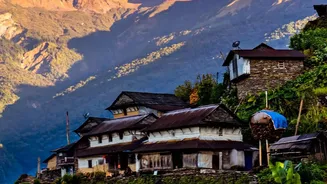
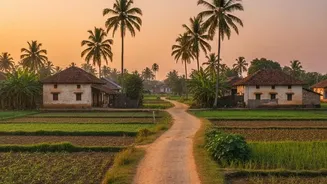
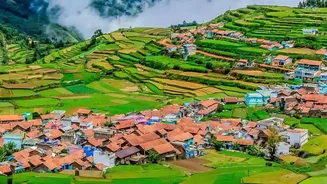
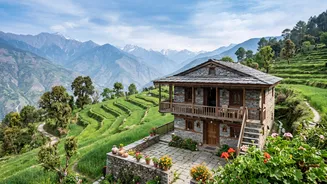
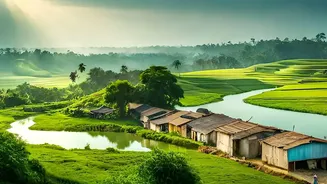
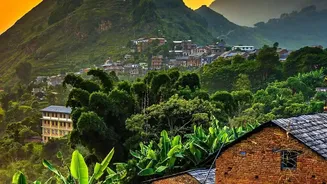
A village homestay flips this model on its head. Instead of a room in a commercial building, you are welcomed into a family's home as a guest. This immediately shifts the dynamic from a transaction to a relationship. These homes are not located in tourist-centric zones but are embedded in residential communities, offering a genuine glimpse into daily life. The goal is not just accommodation, but immersion. Many homestays, particularly in regions like the Himalayas or Kerala, operate as part of community-based tourism initiatives, ensuring your visit directly supports the local economy and preservation of culture. You arrive not as a tourist, but as a guest who is invited to briefly become part of the place.
More Than Just a Meal
One of the most powerful connectors is food. A hotel buffet, however lavish, is an anonymous offering. A meal in a homestay is a personal story. You eat what the family eats, often cooked with ingredients from their own garden or local market. This is not about choosing from a menu; it is about sharing a meal cooked with care, using recipes passed down through generations. Sitting with your hosts, you learn the names of dishes, the significance of certain ingredients, and the etiquette of the local dining table. The act of eating together becomes a time for conversation and connection, turning a simple meal into an authentic cultural exchange.
Learning Through Conversation
While guidebooks provide facts, homestay hosts provide context and stories. They are your personal concierges, armed with insider knowledge that no travel guide can match. These informal conversations—over morning tea or at the end of the day—are where the real learning happens. You hear about local history, family traditions, community events, and the joys and challenges of daily life. This personal connection transforms you from a passive tourist into an engaged visitor. You are no longer just seeing a place; you are understanding it through the eyes of the people who call it home. These interactions build a bridge of understanding that a hotel front desk, however helpful, simply cannot provide.
From Observer to Participant
The deepest cultural connections are forged through participation. Homestays often provide opportunities to join in everyday activities. You might walk with your hosts to their fields, help pick vegetables, learn a few words of the local language, or observe a local festival. In some communities, you might be invited to learn a traditional craft or even help prepare a meal. This is the essence of immersive travel—moving beyond watching to doing. When you leave, you take with you not just photos, but the feeling of having been a part of something genuine. It's the difference between seeing a culture and experiencing it.