





The Smart Way to Use AI
Navigating university life today means understanding how to work with artificial intelligence. These tools can be incredible assets, but over-reliance can weaken the critical thinking and problem-solving skills that you're in college to build. The key
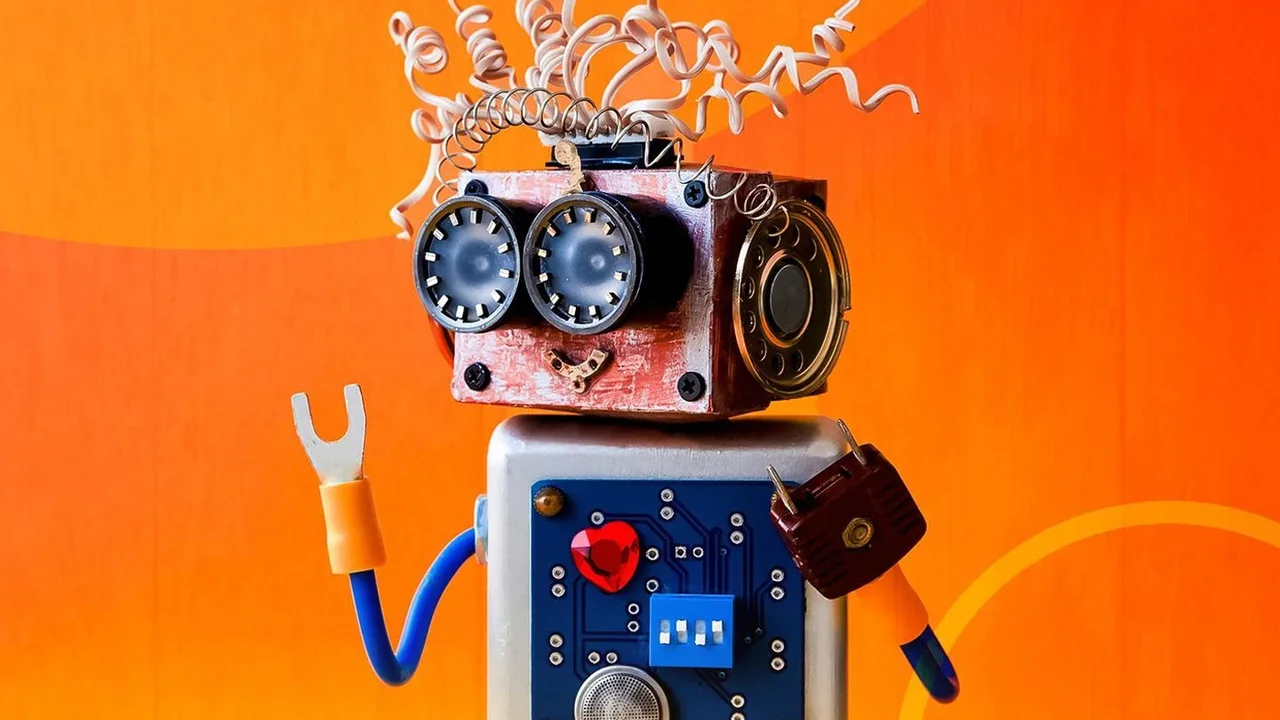
is balance: using AI for the grunt work so you can focus on the tasks that truly matter for your growth. It's about treating AI as an assistant, not a replacement for your own brain. Thinking of AI as a tireless intern can be a helpful framework; you delegate specific, process-oriented jobs to free yourself up for higher-level strategic thinking. This guide will help you identify which tasks are perfect for your AI helper and which ones you must keep human to get the most out of your education.
Five Tasks To Delegate To AI
When used thoughtfully, AI can handle the tedious parts of studying, freeing up valuable time and mental energy for deeper learning. These are the jobs you can safely hand over.
1. Brainstorming and Idea Generation
Staring at a blank page is one of the toughest parts of any assignment. AI tools are excellent for breaking through that initial block. You can ask a chatbot for potential research topics, different angles on a subject, or a list of keywords to jumpstart your research. The key is to use this as a starting point. Let the AI provide the initial spark, but then use your own curiosity and knowledge to select and refine the ideas that truly interest you.
2. Summarising Dense Material
Faced with a mountain of reading? AI can be a lifesaver. You can ask it to summarise long academic articles, complex lecture notes, or dense textbook chapters to give you the main points. This allows you to quickly grasp the core arguments and decide where to focus your deep-reading efforts. However, always be critical. Use the summary as a guide, not a substitute for engaging with the original text, as AI can sometimes miss nuance or even invent information.
3. Creating Study Aids
Turn your notes into active learning tools. AI can instantly generate flashcards, practice quizzes, and potential exam questions based on your course materials. This is a fantastic way to test your knowledge and identify areas where you need more review. Instead of spending hours manually creating these aids, you can get a customized set in seconds and dedicate more time to actual studying and revision.
4. Basic Grammar and Language Polishing
Once you have written your assignment, AI can function as a first-pass editor. It can catch typos, fix grammatical errors, and suggest ways to make your sentences clearer. This helps ensure your final submission is polished and professional. Think of it as a proofreading assistant. It cleans up the surface-level mistakes, allowing your instructors to focus on the quality of your ideas and arguments, not your spelling.
5. Organising Research and Formatting Citations
Keeping track of sources can be a nightmare. AI-powered tools can help you organise your research notes and, most importantly, format your bibliography. Tasks like ensuring every citation is in the correct style (like MLA, APA, or Chicago) are tedious but essential for avoiding plagiarism. Delegating this repetitive, rule-based task to AI frees you from a major headache and reduces the risk of accidental errors.
Five Tasks To Keep Human
Some parts of the learning process are too valuable to outsource. These are the skills that define your academic and professional future, and they require your direct, focused effort.
1. Developing Your Thesis and Core Argument
While AI can brainstorm topics, the core argument of your paper must be yours. Developing a thesis is an act of critical thinking and synthesis. It’s where you bring your unique perspective to the material and decide what you want to argue. Outsourcing this to AI robs you of the single most important intellectual exercise in academic writing. Your argument is your contribution, and it needs to come from you.
2. Critical Analysis and Interpretation
AI can summarise what a text says, but it cannot truly analyse what it means. Critical interpretation—understanding nuance, evaluating the strength of an argument, identifying bias, and connecting ideas across different sources—is a uniquely human skill. This is the heart of deep learning. Relying on AI for analysis leads to shallow understanding and prevents you from developing the reasoning skills that college is designed to teach.
3. The Actual Writing and Finding Your Voice
Submitting AI-generated text as your own is academic dishonesty, period. But beyond the ethics, the process of writing is the process of thinking. Wrestling with how to phrase an idea forces you to clarify it in your own mind. Over time, this struggle helps you develop your unique authorial voice and academic identity. AI-generated prose is often generic; your own writing reflects your intellectual journey.
4. Ethical Judgement and Contextual Understanding
AI models don't have morals or a true understanding of real-world context. They generate text based on patterns in data, without any sense of fairness, ethics, or the potential impact of their words. When your work involves ethical dilemmas, cultural sensitivity, or complex social issues, your human judgment is irreplaceable. You are accountable for the ethical implications of your work.
5. Building Relationships and Asking for Help
Your education isn't just about handing in assignments. It's about building relationships with your professors and peers. When you're stuck, discussing the problem with a teacher or a study group is a vital part of learning. These conversations build your network, deepen your understanding, and develop crucial collaboration skills. AI can't replace the mentorship and camaraderie that are central to a meaningful university experience.