



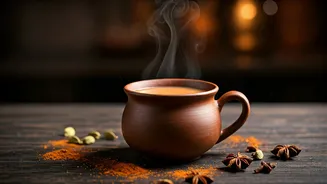


An Unspoken National Ritual
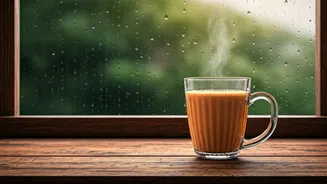
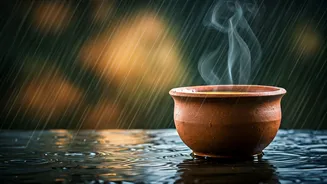
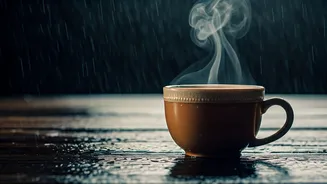
It’s a phenomenon so deeply woven into the Indian cultural fabric that it almost feels like a reflex. The pitter-patter of raindrops on a windowpane is an auditory cue, signalling kitchens and roadside stalls to spring into action. Kettles are put on the boil,
and the air soon fills with the aromatic blend of crushed ginger, cardamom, and brewing tea leaves. This isn’t just about quenching thirst; it’s about answering a seasonal, sensory call. For millions, the monsoon doesn't officially begin until that first rainy-day cup of chai is sipped. It’s a tradition that transcends age, class, and geography, uniting the country in a shared moment of simple, profound comfort. But why this drink? And why does its pull feel so strong when the skies open up?
The Psychology of Comfort
The connection between rain and chai is rooted in the powerful psychology of comfort. Cool, damp weather triggers a desire for warmth, and a hot beverage provides an immediate, soothing antidote to the slight chill that accompanies a downpour. Holding a warm mug offers a sense of security and coziness, creating a safe haven from the storm outside. Beyond the physical warmth, chai is steeped in nostalgia. For many Indians, the smell of brewing tea is inextricably linked to memories of childhood—of huddling together with family, listening to the rain, and sharing stories. This emotional resonance turns a simple drink into a potent form of comfort, a liquid hug that reassures and calms. Each sip is a trip back to simpler, cherished moments, making the experience deeply personal and universally understood.
A Symphony of Spices
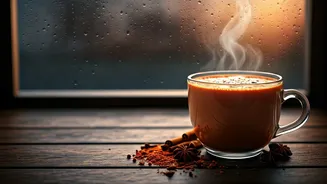
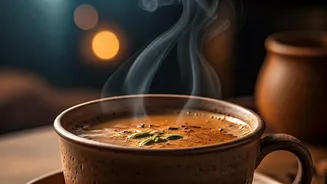
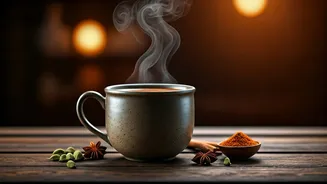
The magic also lies in the ingredients themselves. A classic masala chai isn't just boiled tea, milk, and sugar. It’s a complex concoction of spices that are traditionally believed to have warming and healing properties in Ayurveda. Ginger, a staple in monsoon chai, is known for its ability to aid digestion and fight off colds—common concerns during a season marked by increased humidity and airborne viruses. Cardamom, cloves, and cinnamon not only add layers of flavour but also contribute to the overall feeling of warmth and well-being. This blend of spices does more than just taste good; it creates a multi-sensory experience. The fragrant steam that rises from the cup awakens the senses even before the first sip, priming the body and mind for the comfort that is to follow.
The Perfect Culinary Partner
The ritual of monsoon chai is rarely a solo act. It is almost always accompanied by its perfect partner: a plate of hot, crispy pakoras (fritters). This pairing is a masterclass in culinary contrast. The hot, spicy, and slightly sweet chai cuts through the rich, oily flavour of the deep-fried snacks. The soft, comforting liquid washes down the crunchy texture of the onion, potato, or spinach pakoras. It’s a combination that engages every part of the palate. This tradition of pairing chai with a fried snack turns a simple tea break into a celebratory mini-meal. Roadside stalls, or ‘thelas’, do brisk business, serving up this beloved combo to people taking shelter from the rain, transforming a weather-induced inconvenience into an opportunity for communal indulgence.