
The Science in a Seed
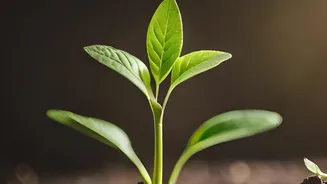
A seed is a self-contained marvel, packed with all the energy it needs to start its life. This energy, stored in a part called the endosperm, is finite. The goal of a germinating seed is to send a root down and a shoot up to the surface before this energy runs
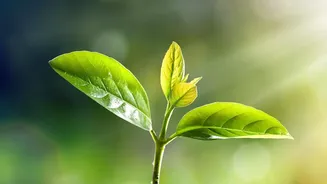
out. Once the shoot, called a coleoptile in many plants, breaks through the soil and into the sunlight, it can begin to photosynthesise and create its own food. The planting depth directly impacts how much energy the seedling must expend to reach that life-giving light.
The Danger of Planting Too Deep
It might seem that burying a seed deep in the soil gives it extra protection. However, planting too deep is a common reason for germination failure. A seed placed far below the surface must use a massive amount of its stored energy just to push its shoot upwards. If it runs out of energy before reaching the surface, it will die. Even if it does emerge, the seedling is often weak and stunted, having exhausted the reserves it needed for strong early growth. Deeper soil is also colder and may have less oxygen, which can delay or prevent germination altogether, leaving the seed vulnerable to rot and disease.
The Risk of Planting Too Shallow
On the other hand, planting too close to the surface has its own set of problems. The top layer of soil dries out quickly, which can prevent the seed from absorbing the consistent moisture it needs to germinate. Shallow seeds are also easy targets for birds and insects. If a seed does manage to sprout, its roots may be too close to the surface, failing to anchor the plant properly. This can lead to the plant toppling over or the roots drying out in the sun, a condition sometimes called 'rootless corn syndrome' in maize crops.
A Simple Rule of Thumb
So, what is the right depth? For most seeds, a reliable general rule is to plant them at a depth of two to three times their diameter. For a large bean or pea, this might be an inch or two. For a tiny mustard or tomato seed, it means just barely covering it with a fine layer of soil. Some very small seeds, like lettuce, actually need light to germinate and should just be pressed onto the surface of the soil and not covered at all. Always check the seed packet for specific instructions, but this rule is a great starting point.
Adjusting for Your Soil
The type of soil in your garden also plays a role. Heavy, dense clay soils hold moisture well but can be hard for seedlings to push through. In clay soils, you should plant slightly shallower than the general rule suggests. Conversely, light, sandy soils drain and dry out quickly. In sandy soil, it's wise to plant seeds slightly deeper to ensure they stay in contact with moist soil. The goal is to place the seed where it will have consistent access to moisture without having to struggle too much to emerge.
Guide for Common Indian Vegetables
Applying these principles in an Indian kitchen garden is straightforward. For popular vegetables, consider these depths as a guide: - Bhindi (Okra) & Beans: These are larger seeds. Plant them about 1 to 1.5 inches deep. - Tamatar (Tomato), Baingan (Brinjal), & Mirch (Chilli): These medium seeds do best at about 1/4 to 1/2 inch deep. - Palak (Spinach) & Dhaniya (Coriander): Plant these seeds about 1/2 inch deep. - Gajar (Carrot) & Mooli (Radish): These root vegetables need to be planted relatively shallow, at about 1/4 to 1/2 inch, to allow the root to develop properly. - Tiny Seeds (Mustard, Lettuce): These should be sown very shallow, just under a light 1/8 inch dusting of soil, or even just pressed into the surface.