



1. Cool-cations: Chasing Chilly Climates
Remember when summer holidays exclusively meant chasing the sun? That's changing. As heatwaves make traditional Mediterranean hotspots increasingly uncomfortable, a growing number of travellers are heading north for 'cool-cations'. This trend involves
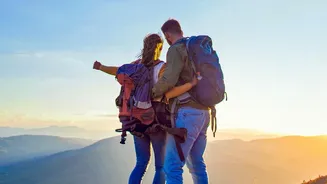
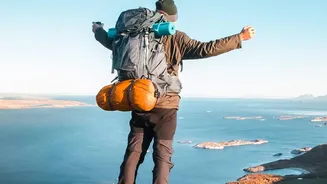
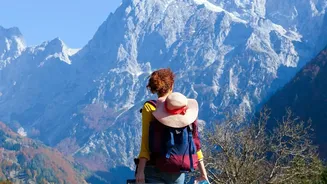
deliberately choosing destinations with temperate or cooler climates, like Scandinavia, Iceland, or Canada, for summer travel. It's less about escaping to the heat and more about escaping from it, allowing for comfortable outdoor activities like hiking past glaciers in Norway or exploring the coastlines of the Baltic states without the stress of extreme temperatures. Data already shows a significant rise in bookings for cooler destinations, a trend expected to solidify by 2027.
2. Gig-Tripping: Vacations Centred on Music
Once a niche activity for superfans, 'gig-tripping' has gone mainstream. This is the trend of planning an entire holiday, often internationally, around seeing a favourite artist perform. Driven by soaring ticket prices in home markets and the desire to combine music with cultural exploration, fans are discovering it can be cheaper to fly to another country for a concert than to see the same show at home. Taylor Swift's Eras Tour was a major catalyst, with fans travelling across Europe and beyond. By 2027, this trend will be a major force, with travellers building multi-day itineraries around a single concert, exploring new cities by day and singing along by night.
3. Astro-Tourism: Journeys into the Dark
In an increasingly light-polluted world, true darkness has become a luxury good. Astro-tourism, or dark-sky travel, involves journeying to remote locations specifically for unparalleled views of the night sky. This isn't just for amateur astronomers; it's for anyone craving a sense of wonder. Travellers are planning trips to chase total solar eclipses, watch meteor showers in certified Dark Sky Places, and simply stand in awe of the Milky Way. Destinations like Chile's Atacama Desert, remote parts of the US, and parts of Iceland are becoming hotspots for their pristine skies. This trend reflects a deeper desire to reconnect with nature and experience something genuinely rare and profound.
4. Analog Travel: The Joy of Disconnecting
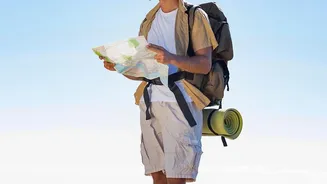
Have you ever returned from a holiday needing another one? The 'analog travel' trend is the antidote. It's the conscious decision to ditch digital devices and embrace a more present, low-tech travel style. Think navigating with a paper map, capturing memories on a film camera, and swapping scrolling for conversation. A growing number of travellers, particularly younger generations, are seeking digital detoxes to escape the mental clutter of constant connectivity. Hotels and tour operators are responding by offering 'phone-free' zones and providing 'analog menus' with items like books, board games, and Polaroid cameras to help guests fully unplug and savour the moment.
5. Set-Jetting 2.0: Living Your Favourite Story
Travelling to see where a movie was filmed is nothing new, but 'set-jetting' has evolved. Thanks to the global reach of streaming services, viewers are inspired to travel to the real-world backdrops of their favourite shows, from the dramatic landscapes of 'Game of Thrones' in Croatia to the romantic streets of 'Emily in Paris'. More than half of travellers say their plans are influenced by what they see on screen. Looking ahead, this trend is becoming more about chasing a specific atmosphere or fantasy than just visiting a location. Travellers are seeking otherworldly landscapes that evoke the feeling of sci-fi or fantasy sagas, prioritising experiences that let them step into a story.
6. Slow and Purposeful Trips: Doing Less, Experiencing More
The era of the tick-box itinerary is fading. In its place is a move towards slower, more immersive travel that prioritises depth over distance. Instead of rushing through five cities in ten days, travellers are choosing to stay longer in one or two places, allowing for spontaneous discovery and genuine connection with local culture. This 'anti-optimisation' approach means leaving room in the schedule to get lost in a new neighbourhood or learn a local skill, like a fermentation workshop or beekeeping. It reflects a broader shift in values where the true luxury isn't seeing everything, but fully experiencing something.