





What Exactly is Ambali?
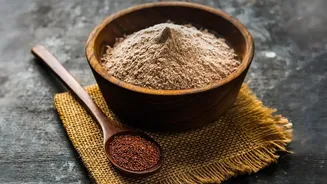
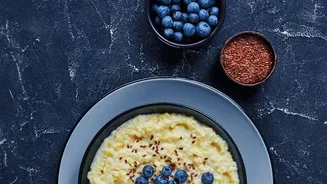
At its heart, Ambali is a humble yet potent porridge or beverage made from finger millet, famously known as ragi. Traditionally popular in Southern Indian states like Karnataka, Telangana, and Andhra Pradesh, it’s a simple preparation. Ragi flour is mixed
with water to form a slurry, cooked until it thickens, and then the magic happens: fermentation. The cooked mixture is left to ferment, typically overnight in an earthenware pot, which imparts a distinct, slightly sour and tangy flavour. It can be served sweet with jaggery or, more commonly, savoury and cool, mixed with buttermilk, salt, and sometimes finely chopped onions, green chillies, and herbs. This makes it both a nourishing food and a refreshing, hydrating drink.
A Probiotic and Nutritional Powerhouse
The recent buzz around Ambali is largely thanks to its impressive health credentials, which align perfectly with today's wellness-focused mindset. The key is its fermentation process, which turns this simple porridge into a rich source of probiotics—the beneficial bacteria essential for good gut health. These probiotics support digestion and overall well-being. But the benefits don't stop there. Ragi itself is a nutritional giant. It's naturally gluten-free, making it a great option for those with intolerance. It boasts the highest calcium content among all cereals, crucial for bone health. Furthermore, it is packed with dietary fibre, iron, essential amino acids, and has a low glycemic index, which helps in regulating blood sugar levels.
From Rural Staple to Urban Star
For generations, Ambali was known as a coolant and a source of sustained energy, a summer staple for farmers and labourers to combat the intense heat and grueling physical work. Its reputation was that of a simple, rustic, and deeply functional food, consumed to cool the body and provide stamina. However, this perception is now shifting dramatically. What was once considered 'poor man's food' is being reframed as an ancient superfood. This transition is part of a larger, exciting trend in India: the rediscovery and celebration of indigenous grains and traditional food wisdom. Urban consumers are increasingly looking past exotic, imported health foods and turning towards local, sustainable, and nutrient-dense options from their own culinary heritage.
The Cafe Culture Connection
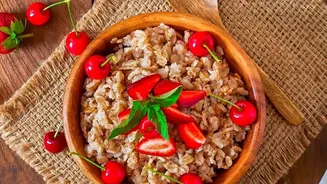
So why is Ambali suddenly appearing on the chalkboards of trendy city cafes? The answer lies at the intersection of health trends and cultural pride. Chefs and cafe owners are tapping into the growing demand for authentic, healthy, and 'new' experiences. Ambali checks all the boxes: it's probiotic, gluten-free, millet-based, and has a compelling story. For a generation accustomed to kombucha and kefir, a traditional fermented Indian drink is a logical and exciting local alternative. Cafes are serving it in modern, appealing ways—perhaps as a 'probiotic millet bowl' or a 'savoury ragi smoothie'—making it accessible to a new audience that might not have encountered it otherwise. This isn't just about health; it's about making heritage cool.
More Than Just a Passing Trend
While it's easy to label Ambali's rise as another fleeting food trend, its roots suggest something more enduring. The revival of millets, supported by government initiatives and a general shift towards sustainable eating, provides a strong foundation. The embrace of fermentation for health is a global movement that is here to stay. Ambali's comeback is not about inventing something new, but about appreciating the profound wisdom already present in traditional Indian kitchens. It represents a delicious, full-circle moment where modern science validates ancestral knowledge, proving that sometimes the most futuristic health food is one that has been nourishing people for centuries.