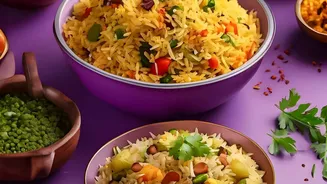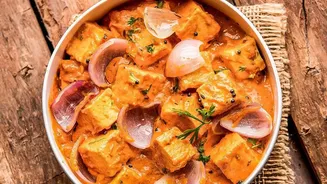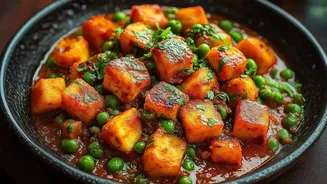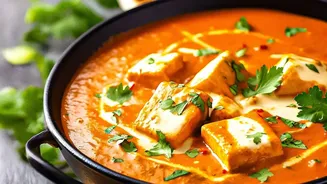



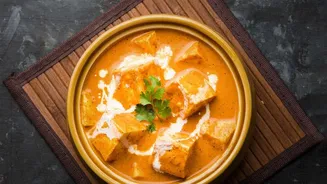
Ever wonder why the paneer at your favourite Indian restaurant tastes so much more vibrant and aromatic than what you make at home? The secret is often a simple, swift technique: spice tempering, a foundational skill that can elevate any dish.
The Soul of Flavour: What is Tempering?
At its heart,
Indian cooking is an art of layering flavours, and one of its most magical techniques is known as 'tadka' or 'chaunk'. This is the process of tempering: briefly frying whole or ground spices in hot fat, like oil or ghee, to unlock their essential oils. Most of the flavour compounds in spices are fat-soluble, not water-soluble. This means that simply stirring them into a curry won't release their full potential. By blooming them in hot fat, you extract their deepest aromas and create an intensely flavourful oil that becomes the soul of your dish. This infused fat is then poured over lentils, vegetables, or, in this case, paneer, instantly transforming it from simple to spectacular.
Your Tempering Toolkit: Fat and Heat
To master tadka, you need two key elements: the right fat and controlled heat. Ghee, or clarified butter, is prized for its nutty flavour and high smoke point. For a different profile, traditional mustard oil adds a pungent, authentic kick, though it's best to heat it until it just starts to smoke to mellow its raw edge. A neutral oil like canola or sunflower also works perfectly well. The temperature of the fat is crucial. If the oil is too cool, the spices will just soak it up without releasing their flavour. If it's smoking hot, they will burn in seconds, leaving a bitter taste that can ruin the entire dish. The ideal temperature is when the oil is shimmering. A simple test is to drop a single cumin or mustard seed in; if it sizzles and crackles immediately, you're ready to go.
A Symphony of Spices: What to Use and When
The order in which you add spices is critical because they cook at different speeds. Begin with whole, hard spices that take longer to bloom. For paneer, this typically starts with cumin seeds and mustard seeds. Wait for the mustard seeds to pop and the cumin to turn fragrant, which usually takes less than a minute. Next, you can add aromatics like minced garlic, ginger, or fresh green chillies. Be mindful that these can burn quickly. Finally, powdered spices like turmeric, red chili powder, or garam masala should be added last, often after turning the heat off entirely. The residual heat is more than enough to toast them without burning. A classic combination for paneer includes cumin seeds, turmeric, dried red chillies, and a pinch of asafoetida (hing) for its unique savoury depth.
Bringing it all Together: Tempering Your Paneer
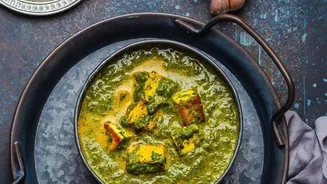
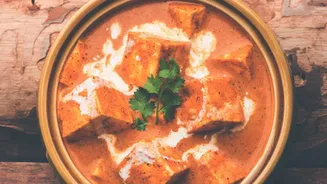
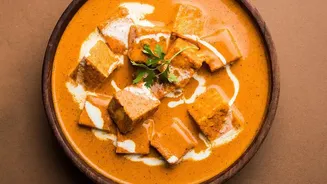
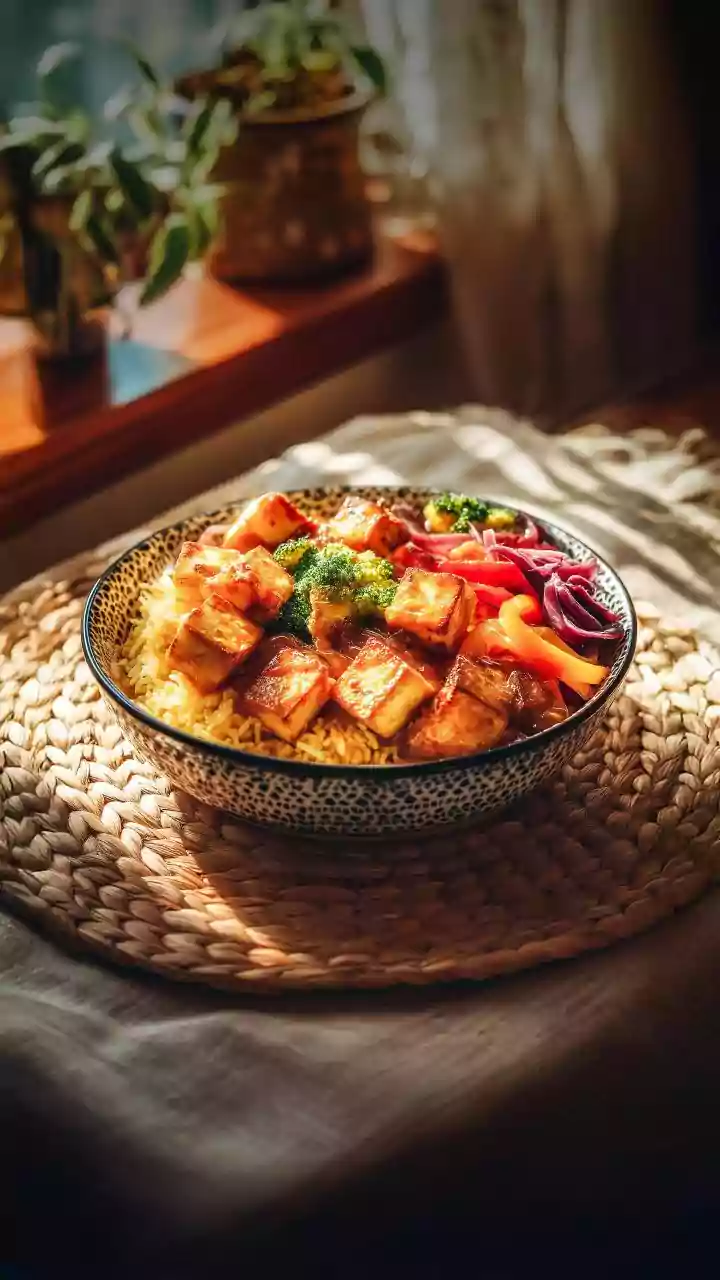
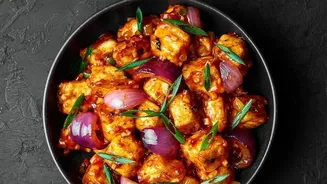
There are two primary ways to apply your tadka to paneer. The first is as a finishing touch. Imagine you have simple, pan-fried cubes of paneer, perhaps tossed with a little salt and lemon juice. To elevate this, you prepare your tadka in a small, separate pan. Heat a few tablespoons of ghee, add cumin seeds until they crackle, maybe a slit green chilli and a pinch of turmeric. Once fragrant, you pour this sizzling, aromatic oil directly over your plate of paneer. The sound, the smell—it's a feast for the senses before you even take a bite. The second method is to build your tadka as the base of a curry. In a larger pot, you'd perform the same tempering process, but after the spices bloom, you would continue by adding onions, tomatoes, and eventually your paneer to build a dish like a simple Paneer Masala or Matar Paneer.
Common Mistakes and How to Avoid Them
The most common mistake is burning the spices. The entire tempering process is incredibly fast, often lasting less than a minute, so it demands your full attention. Always have all your ingredients chopped and ready before you even turn on the heat. Another pitfall is adding spices in the wrong order. Remember the rule: hard and whole spices first, fresh aromatics next, and delicate powders last. Finally, don't be afraid to start over. If you see your spices turning black or smell a burnt, acrid aroma, you cannot salvage the tadka. The bitter flavour will permeate the whole dish. It's better to discard the burnt oil and spices and begin again. A few wasted spices are a small price to pay for a perfectly delicious final dish.