





The Scale of Ambition
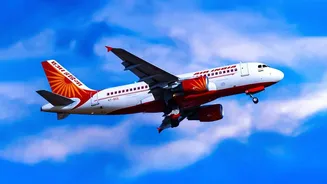
The numbers are monumental. Indian carriers, led by giants like IndiGo, Air India, and the growing Akasa Air, have collectively placed orders for over 1,200 aircraft from manufacturers Airbus and Boeing. This includes IndiGo's historic 500-plane deal
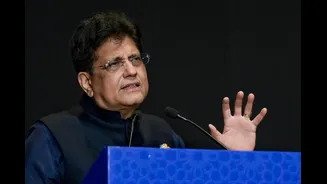
for the A320 family and Air India's transformative 470-plane order. This shopping spree is a direct response to soaring demand. But these orders are just the beginning. Union Minister Piyush Goyal recently stated that airlines are ready to order another 1,000 planes, signalling a total requirement that could exceed 2,000 aircraft to satisfy the country's booming aviation market.
An Unprecedented Growth Engine
India is one of the fastest-growing aviation markets in the world, with its commercial fleet projected to grow at 7.1% annually between 2026 and 2036. This explosive growth is fuelled by a rising middle class, increased disposable income, and greater urbanisation. Furthermore, the government's UDAN (Ude Desh ka Aam Nagrik) scheme has been a game-changer for regional connectivity. By operationalising hundreds of new routes to previously underserved and unserved towns, the scheme has made air travel accessible to millions more people, fundamentally expanding the domestic market. This has created a virtuous cycle: more flyers lead to more routes, which in turn fuels the need for more aircraft.
The International Widebody Gap
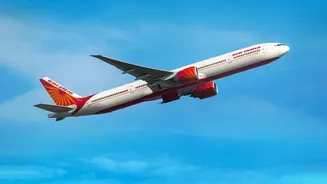
While a significant portion of the current orders are for narrowbody aircraft like the Airbus A320 and Boeing 737, which are the workhorses of domestic and short-haul international routes, a critical need is emerging for widebody jets. Historically, India's fleet has been dominated by narrowbody planes, leaving a large chunk of the lucrative long-haul international market to foreign carriers. Foreign airlines currently hold over 55% of the international passenger traffic to and from India. To reclaim this share and establish major Indian cities as global transit hubs, airlines like Air India and IndiGo are now placing significant orders for widebody aircraft like the Airbus A350 and Boeing 787. These larger, twin-aisle jets are essential for non-stop flights to Europe, North America, and beyond, a market segment Indian carriers are determined to capture.
It Takes More Than Just Planes
The headline-grabbing orders are only one part of a much larger and more complex equation. The primary challenge is that these aircraft won't arrive overnight. Global supply chain issues and massive order backlogs at Boeing and Airbus mean some deliveries are scheduled as far out as 2034. This creates an immediate capacity crunch. Beyond the planes themselves, the entire aviation ecosystem is straining to keep up. Key challenges include airport infrastructure constraints, a shortage of trained pilots and technicians, and a lack of sufficient Maintenance, Repair, and Overhaul (MRO) facilities within the country. Expanding airport capacity, building a robust MRO industry to service the new fleets, and scaling up training programs for an estimated 45,000 new pilots and 45,000 technicians over the next two decades are critical for sustainable growth.