



A Growing Trend of Travel Avoidance
The anticipation of a stressful journey is significant enough to ground potential travellers, according to the SITA 2026 Passenger IT Insights report. The study, which surveyed nearly 8,000 people across 24 countries, found that 42% of all passengers
have decided against booking a trip because they expected it to be too stressful. This trend is even more pronounced among younger demographics. More than half of travellers under the age of 30—a group that includes Gen Z and younger Millennials—have opted out of a trip due to anticipated anxiety. This presents a critical challenge for an industry that relies on this tech-savvy generation to drive future growth and demand. The issue also affects another key group: frequent flyers, with six in ten admitting to abandoning a trip over stress concerns.
The Anatomy of Travel Anxiety
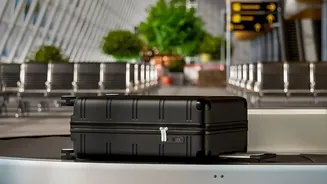
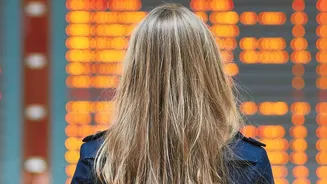
The stress doesn't come from a single source, but rather a collection of friction points throughout the travel process. According to the SITA report, the primary culprits are operational and logistical. Delays, long queues, and baggage handling are the top concerns cited by passengers. The phase between security and boarding has become a particular hotspot for anxiety. One-third of passengers now report feeling anxious during this 'dwell time,' a threefold increase from 2023. The core of the problem, according to SITA's analysis, is uncertainty. Not knowing what happens next—whether it's a gate change, a delay, or the location of your luggage—is a powerful driver of stress for modern travellers.
Technology: The Double-Edged Sword
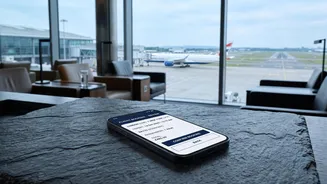
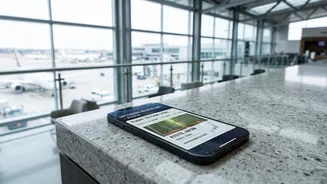
While poorly integrated technology can be a source of frustration, passengers overwhelmingly see it as the solution. A remarkable 80% of all travellers believe technology can reduce the stress of flying. This confidence is even higher among the most affected groups, with 86% of travellers under 30 and 89% of frequent flyers looking to digital tools for a smoother journey. Passengers are calmest during stages where technology is already well-integrated, such as booking and mobile check-in. In contrast, border control, a stage with lower tech adoption in many regions, is reported as the most stressful part of the journey. The data points to a clear demand for real-time information. Passengers want alerts on their phones, live wait times displayed on screens, and accurate walking times to their gates. Four in ten are even ready to receive updates from AI-powered tools.
A Commercial Imperative for the Industry
The findings are more than just a customer satisfaction issue; they represent a direct hit to revenue. As SITA CEO David Lavorel noted, every trip avoided due to stress is a lost booking for an airline, a missed sale for an airport retailer, and a vacant hotel room. The study frames 'calm' as a commercial metric. By giving passengers more visibility and control through shared data and real-time updates, airlines and airports can not only win back lost bookings but also increase commercial revenue. When passengers are less stressed, they have more time and inclination to spend money in airport shops and restaurants. For example, in the UAE, where 77% of passengers used technology at border control, only 13% reported negative emotions, compared to 37% globally, demonstrating the direct link between technology, passenger emotion, and a smoother process.