


A New Chapter for Indian Chocolate
For decades, chocolate in India was synonymous with mass-produced, sugary treats. But a significant shift is underway. Consumers with evolving tastes and rising disposable incomes are now seeking out premium, artisanal products with a compelling story.
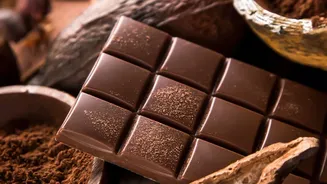
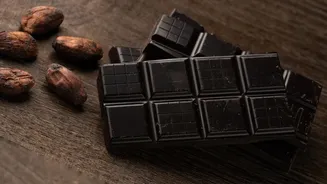
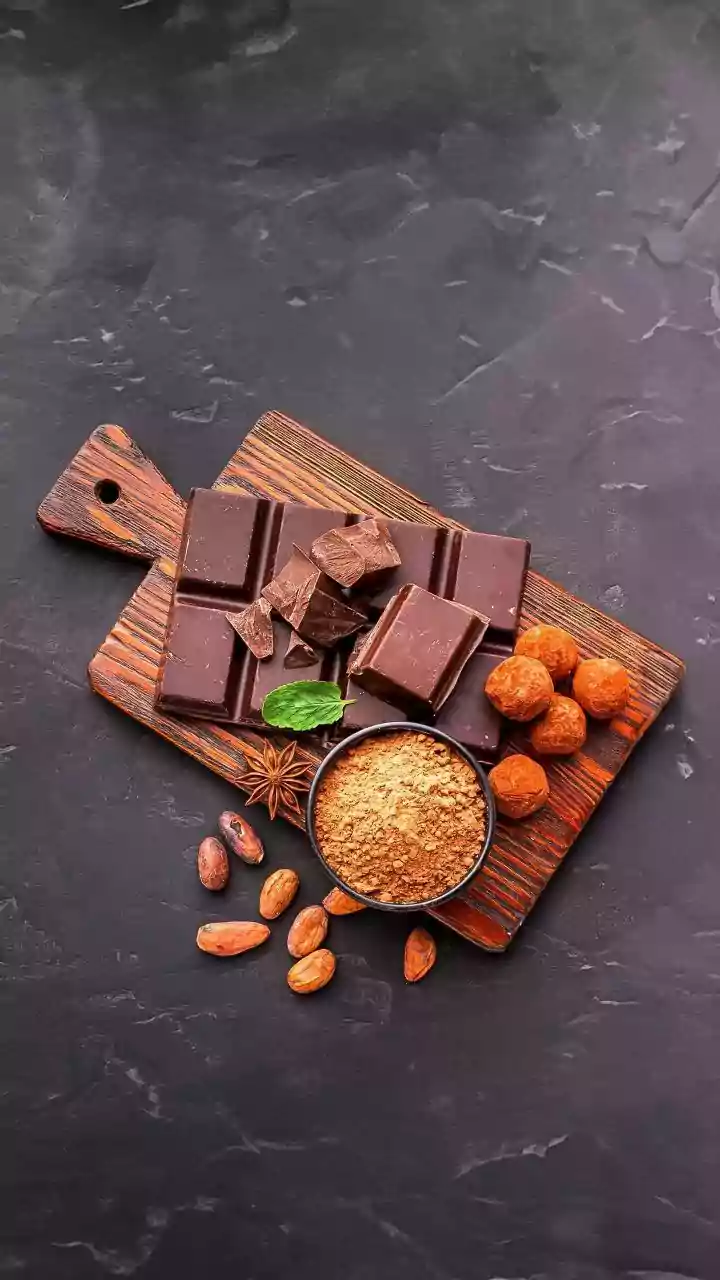
This has paved the way for the bean-to-bar movement, where makers control every step of the process, from sourcing the cacao bean to creating the final chocolate bar. This hands-on approach results in chocolate that expresses the unique flavours of its origin, much like fine wine or specialty coffee. This growing segment of the market is expected to expand at over 11% annually, far outpacing the broader chocolate industry.
The Southern Terroir
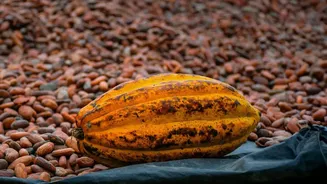
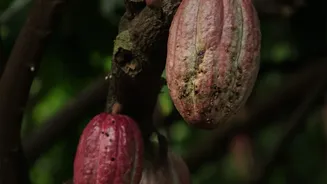
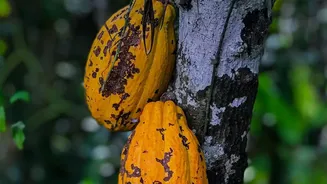
The heart of this movement lies in the tropical climate of South India. While cacao was first introduced to the region by the British in the late 18th century, it only began to be cultivated on a larger scale in the 1960s. Today, the states of Kerala, Karnataka, Tamil Nadu, and Andhra Pradesh are the epicentre of India's cacao production. Artisanal makers are working directly with farmers in these regions, encouraging organic and sustainable practices. The unique soil and climate, or terroir, of places like the Idukki hills in Kerala and the Anamalai foothills in Tamil Nadu, give Indian cacao beans a distinct and complex flavour profile, which can range from fruity and spicy to nutty and earthy.
From Bean to Bar: The Craft Process
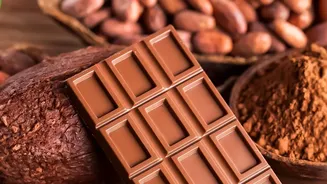
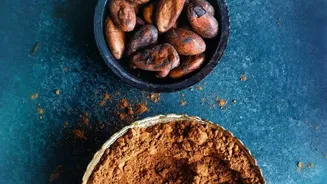
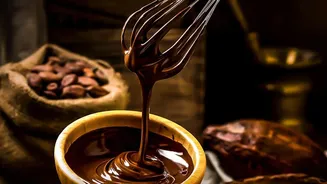
What truly sets bean-to-bar chocolate apart is the meticulous process. It begins with sourcing high-quality, often single-origin, cacao beans directly from farms. These beans undergo a careful fermentation and drying process, crucial steps that develop their flavour precursors. Back at the factory, chocolatiers roast the beans to bring out specific notes, a step that requires precision and skill. After roasting, the beans are cracked and winnowed to separate the nibs from the shells. These nibs are then ground for days in stone grinders, a process that refines the texture and taste, before being conched, tempered, and finally moulded into bars. Some producers, like Soklet in Tamil Nadu, go a step further, operating as "tree-to-bar" makers who grow their own cacao.
The Faces of the Movement
Several pioneering brands are at the forefront of this craft chocolate wave. Auroville-based Mason & Co, founded by Jane Mason and Fabien Bontems, is known for its organic, vegan chocolates and its all-female workforce, sourcing beans directly from farmers in South India. Soklet, which gets its name from the Tamil word for chocolate, was India’s first tree-to-bar maker, managing the entire process from their own plantation in the Anamalai foothills. Brands like Manam in Hyderabad and Mumbai's La Folie are also gaining recognition, not just for their quality but for incorporating local ingredients like filter coffee, jaggery, and regional spices, creating flavours that are uniquely Indian.
The Art of Gifting Chocolate
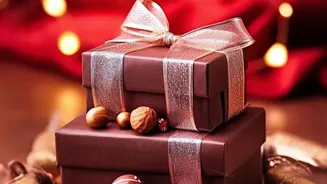
The rise of Indian craft chocolate has transformed it into a premium gifting option. These aren't just candy bars; they are luxury products with a story of origin, craftsmanship, and ethical sourcing that resonates with modern consumers. The beautiful, often minimalist packaging and the unique flavour profiles make them a sophisticated alternative to traditional sweets and imported chocolates. For many brands, gifting now represents a huge portion of their business, proving that craft chocolate is no longer just an add-on in a hamper but the star of the show. It's a way to gift something that is indulgent, thoughtful, and proudly local.