






Why India Is So Vulnerable
India's economy is highly sensitive to global oil price fluctuations for one primary reason: heavy import dependency. The country imports a staggering proportion of its crude oil needs, recently touching a record high of nearly 89%. This means that any
volatility in international markets, whether due to geopolitical conflicts, supply chain disruptions, or changes in demand, has a direct and immediate effect on India's import bill. When the price of crude oil goes up, India has to spend more foreign currency to buy the same amount of energy, setting the stage for price hikes across the domestic economy.
The First and Most Direct Hit: Transport
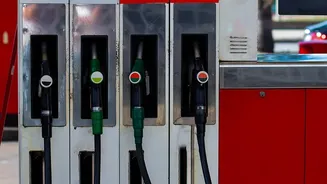
The most immediate and visible impact of rising crude prices is at the fuel pump. The cost of refining crude oil and transporting it within the country forms the base price of petrol and diesel. When this base price rises, the retail prices for petrol and diesel soon follow, directly increasing the cost of running a car or a two-wheeler. But the impact doesn't stop there. Public transport fares often come under pressure, and the vast logistics network that powers the Indian economy feels the strain. Road transport accounts for over 70% of India's freight movement, and fuel makes up a significant portion of truck operating costs. As a result, higher diesel prices lead directly to higher freight charges for moving goods across the country.
The Ripple Effect: Pricier Food on Your Plate
The connection between a barrel of oil and your grocery bill is primarily spelled D-I-E-S-E-L. The agricultural sector is heavily reliant on diesel to power tractors for ploughing, water pumps for irrigation, and harvesters during harvest season. Any increase in the price of diesel directly raises the input costs for farmers. But the impact is twofold. Once the produce is harvested, it needs to be transported from the farms to mandis, and then to retailers in towns and cities. This entire supply chain runs on trucks, which run on diesel. Therefore, higher transport costs get added to the final price of vegetables, fruits, dairy products, and other essential food items, contributing significantly to food inflation.
Beyond the Kitchen: Manufacturing and Household Goods
The influence of oil prices extends far beyond transport and food. Crude oil derivatives are critical raw materials for a wide range of industries, including paints, plastics, chemicals, and tires. A rise in crude prices increases the input costs for these manufacturing sectors, which often leads to higher prices for the finished goods you buy, from a bucket of paint to household plastic containers. Furthermore, many industries and commercial establishments rely on diesel generators for power backup, especially in areas with inconsistent electricity supply. Higher diesel costs increase their operational expenses. This 'second-order' effect means that the cost of producing almost everything can rise, putting a broad-based upward pressure on inflation and squeezing household budgets from multiple directions.
The Role of Taxes and Government Policy
While global crude prices set the foundation, they are not the only factor determining the final price you pay. Central and state taxes, including excise duty and Value Added Tax (VAT), make up a substantial portion of the retail price of petrol and diesel in India, often accounting for nearly half the cost. This gives the government a lever to either cushion the public from price shocks by cutting taxes or to raise revenue. However, oil marketing companies are often forced to absorb losses when global prices are high and retail prices are frozen, leading to eventual sharp corrections. This complex interplay between global prices, government taxes, and corporate finances determines the ultimate cost passed on to the consumer.