

![[WATCH] Matt Short takes stunning one-hand return catch to dismiss Marnus Labuschagne](https://g-mob.glance-cdn.com/public/dynamic/720x1280/5026298445d2e737e5eed3a3220555aeee0ccb0c.webp)

A Stand Built on Sacrifice
Harry Brook’s words are not just talk; they are backed by significant sacrifice. His journey to this clear-cut philosophy has been public and costly. In 2024, he withdrew from a multi-crore Indian Premier League contract with Delhi Capitals for deeply
personal reasons, choosing to be with his family after the passing of his grandmother. He prioritised his mental and emotional wellbeing over a massive payday. Just a year later, after being appointed England's white-ball captain, he pulled out of the IPL again, this time explicitly to focus on his national commitments. These consecutive withdrawals triggered a two-year ban from the world's richest cricket league, a penalty designed to dissuade players from backing out. By accepting this ban and forfeiting millions, Brook demonstrated that his commitment to his primary job—playing for England—was non-negotiable.
The Irresistible Lure of League Cricket
To understand the weight of Brook's decision, one must appreciate the current landscape of professional cricket. The global calendar is saturated with franchise T20 tournaments, from the IPL in India to leagues in Australia, South Africa, the UAE, and the Caribbean. For a modern player, these leagues offer life-changing financial security, global stardom, and high-stakes competition, often in shorter, less gruelling windows than international tours. This has created an unavoidable conflict. The 'club vs. country' debate is no longer a theoretical argument; it's a constant scheduling and financial dilemma for players and boards alike. The result is a relentless cycle of cricket that leads to player burnout, shortened international careers, and a system where national duty often has to compete directly with a franchise paycheque. Many talented players have opted to become T20 freelancers, a path that is both logical and lucrative, making Brook’s alternative route all the more remarkable.
Choosing a Different Legacy
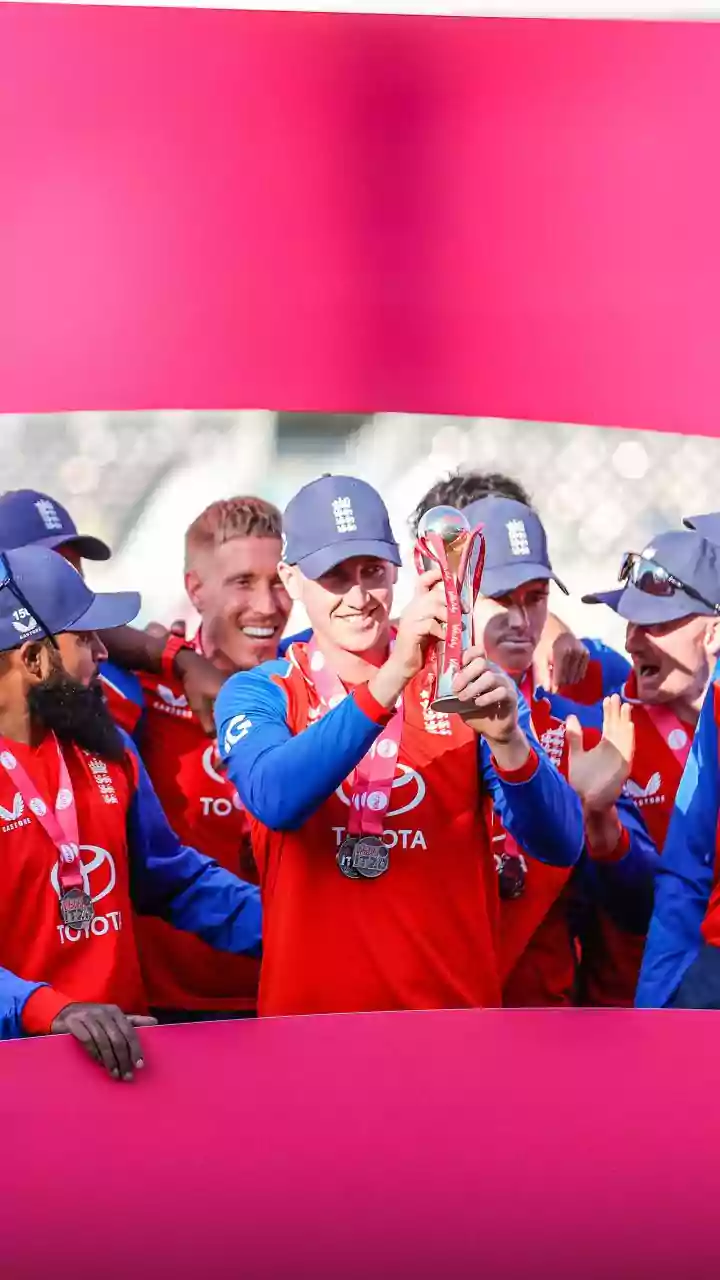
The cricketing world is filled with cautionary tales. The West Indies, once a dominant force, has seen its national team weakened over the years as top stars prioritised T20 leagues over international fixtures. More recently, players from other nations have stepped away from the international game in their prime to focus on franchise opportunities. This trend has raised concerns within the sport's governing bodies about the long-term health of international cricket. Against this backdrop, Brook's stance is a powerful counter-narrative. He is not just choosing a team; he is choosing a type of career. While many chase global T20 glory, Brook has anchored his ambitions to the mast of English cricket. This decision has not only earned him respect but has also coincided with his ascent to the captaincy and recent success on the field, including leading England back to the number one spot in the T20I rankings.
The Real Lesson in Prioritisation
The great lesson from Harry Brook isn't a simple, old-fashioned appeal to patriotism. It is a modern lesson in focus and sustainability. In an era of endless opportunities and the fear of missing out, Brook has chosen to do one thing exceptionally well: lead and play for England. This clarity of purpose protects him from the physical fatigue and mental burnout that plagues so many of his contemporaries. By saying 'no' to the distraction of multiple leagues, he ensures he is fully present, fit, and motivated for his primary role. It's a strategic decision that benefits both player and country. The lesson for other cricketers is that chasing every dollar can dilute performance and shorten a career. True value—and perhaps a more lasting legacy—may lie in identifying what matters most and committing to it completely. Brook has proven that putting the national team first is not an act of charity, but a winning strategy for long-term success.