






Understanding the 2026 Kanwar Yatra Schedule
The Kanwar Yatra is a pilgrimage where devotees of Lord Shiva, known as Kanwariyas, journey to holy places like Haridwar, Gaumukh, and Gangotri to fetch sacred water from the Ganges. In 2026, the Yatra is scheduled to begin on July 30 and will continue
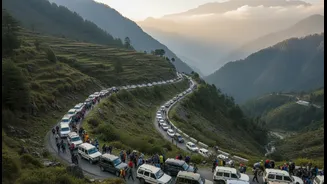
until Sawan Shivratri on August 11. While the entire period sees increased foot traffic, the most significant road disruptions occur in the final ten to twelve days as millions of pilgrims make their way home on foot. The peak congestion is expected between August 7 and August 11. Travel during this window, especially on key highways, will be extremely challenging.
Primary Highways and Affected Zones
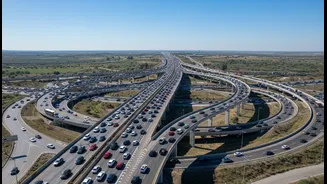
If you are planning a drive from Delhi-NCR towards Uttarakhand, you need to be aware of the main affected corridors. The spine of the pilgrimage is National Highway 34 (NH-34), the route that runs from Delhi through Ghaziabad, Meerut, and Muzaffarnagar to Roorkee and Haridwar. This highway sees the most severe restrictions. Alongside it, the Delhi-Meerut Expressway will also have major traffic diversions. Even the new Delhi-Dehradun Expressway, which opened in 2026, may face temporary closures for regular traffic during the peak yatra days, a measure that was also taken in the previous year. Ghaziabad is a major transit point, and local authorities are already planning extensive security and traffic management schemes.
What to Expect: Phased Road Restrictions
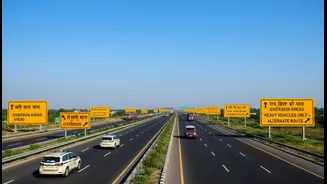
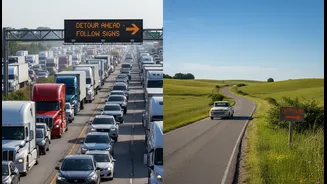
Traffic restrictions are not implemented overnight. Authorities typically phase them in. Based on patterns from previous years, heavy vehicle movement on major Kanwar routes is the first to be restricted, often starting about two weeks before Sawan Shivratri. This year, you can expect this around the last week of July. Following this, diversions for light motor vehicles are put in place. In the final, most intense days of the Yatra, usually the four to five days leading up to Sawan Shivratri, key stretches of NH-34 may be closed entirely to all traffic except for the pilgrims. Official traffic advisories from the police in Uttar Pradesh and Uttarakhand are generally released one to two weeks before the Yatra begins, and travellers should monitor announcements closely.
Your Guide to Alternative Routes
Despite the main arteries being congested, reaching the hills is still possible if you reroute. For destinations like Dehradun and Mussoorie, the most recommended alternative is to avoid the Meerut-Muzaffarnagar corridor completely. Instead, take the route via Panipat and Saharanpur. Another viable option is to travel via Karnal and Yamunanagar. If your destination is Rishikesh, you can bypass the crowded Haridwar stretch by taking a route through Bijnor and Kotdwar. These routes are longer but will save you from the immense gridlock on the primary Kanwar highways. Always have a backup route saved on your navigation app before you start.
The Smartest Option: Take a Train or Flight
The most reliable and stress-free way to travel to Uttarakhand during the Kanwar Yatra is to ditch the car altogether. The region is well-connected by rail and air. You can book a train to Dehradun, Haridwar, or Kotdwar. Alternatively, flying into Dehradun's Jolly Grant Airport (DED) allows you to completely bypass the road-based pilgrimage traffic. From the airport or railway station, you can then hire local taxis to reach your final destination. While cabs within the hill towns will also have to navigate local traffic, you will have avoided the major highway chokepoints.
Final Tips for a Smooth Journey
If you must drive, timing is everything. Try to travel before July 30 or plan your return after August 13 to avoid the peak rush. Always check real-time traffic data before and during your trip. Be prepared for the monsoon; heavy rainfall can cause its own set of delays and dangers, like landslides, separate from the Yatra traffic. An orange alert for heavy rain was issued for several Uttarakhand districts, including Haridwar and Dehradun, for July 9. Finally, travel with patience and buffer time. The journey will likely take longer than usual, so pack extra water and snacks, ensure your vehicle is in good condition, and embrace a flexible mindset.