

Sarson (Mustard Greens)
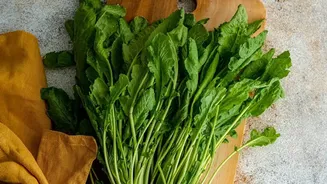
Winter in North India is synonymous with Sarson ka Saag. These pungent, vibrant green leaves are a seasonal treasure, packed into bundles at every corner of the mandi. Mustard greens are rich in vitamins A, C, and K, as well as essential minerals like
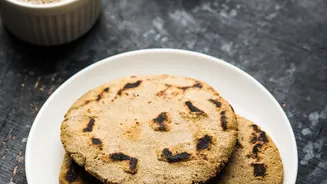
iron and calcium. Their high fibre content aids digestion and promotes gut health. While the classic preparation involves slow-cooking the greens with spinach and bathua, and finishing it with a dollop of white butter alongside makki ki roti, sarson can also be used in other dishes for a sharp, peppery flavour.
Gajar (Red Carrots)
While orange carrots are available year-round, the sweet, juicy red carrots, known as 'Delhi gajar', are a true winter specialty. These are the carrots that give Gajar ka Halwa its iconic colour and flavour. Rich in beta-carotene and lycopene, red carrots are powerful antioxidants that support vision and skin health. Their natural sweetness makes them perfect for desserts, but they are also delicious raw in salads, lightly cooked in sabzis, or fermented into the tangy drink, Kanji. Their low-calorie and high-fibre nature also makes them an excellent choice for weight management.
Mooli (Radish)
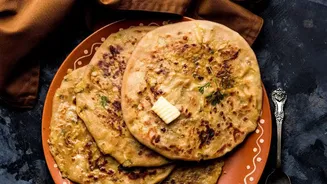
The crisp, peppery white radish is another winter staple that appears in markets. Extremely low in calories and high in water content, mooli is fantastic for hydration and digestion. It's traditionally used to help with bloating and is a good source of fibre and vitamin C. In Indian kitchens, mooli is incredibly versatile. It's eaten raw as a salad (often with a sprinkle of salt and lemon), stuffed into parathas, pickled, or added to dals and curries. Even its leaves are edible and nutritious, often cooked as a simple sabzi.
Shakarkandi (Sweet Potato)
A common sight on winter street corners is the sight of vendors roasting shakarkandi over hot coals. This naturally sweet root vegetable is a healthier alternative to regular potatoes. It's packed with dietary fibre, which aids digestion and provides a feeling of fullness. Sweet potatoes are an excellent source of Vitamin A, which is crucial for good vision and a strong immune system. They also contain vitamins C and B6, and minerals like potassium, which supports heart health. Enjoy it roasted with a squeeze of lime and a dash of chaat masala, or boil and mash it for various dishes.
Palak (Spinach)
Though available for much of the year, winter spinach is considered the most tender and flavourful. The cooler weather brings out a richer taste in the leaves. Palak is a nutritional powerhouse, loaded with iron, calcium, and vitamins A, C, and K. It is a versatile green that can be used in countless ways—from the classic Palak Paneer and Palak Dal to being blended into smoothies, added to paratha dough, or made into crispy fritters. Its high fibre content makes it great for digestive health. Squeezing a bit of lemon over spinach dishes can help enhance iron absorption.
Singhara (Water Chestnut)
Singhara, or water chestnut, is a unique aquatic vegetable that makes its appearance during the winter months. With a tough, dark outer shell and a crisp, white, mildly sweet flesh inside, it's a refreshing snack. Singhara is low in calories but rich in fibre and potassium, which supports heart health. It's also a gluten-free food source. Typically eaten raw after peeling, it can also be boiled or roasted. The dried fruit is ground into a flour (Singhara atta) which is widely used during fasting periods to make rotis and halwa.
Amrood (Guava)
Winter is the peak season for some of the most fragrant and delicious guavas. This humble fruit is a vitamin C powerhouse, containing significantly more than oranges, making it excellent for boosting immunity during the cold and flu season. Guavas are also rich in dietary fibre, which aids digestion and can help manage blood sugar levels. The fruit's high antioxidant content is beneficial for skin health. In India, it's most often enjoyed sliced and sprinkled with salt and red chilli powder, a simple snack that perfectly balances sweet, sour, and spicy flavours.