



The Details of the Price Hike
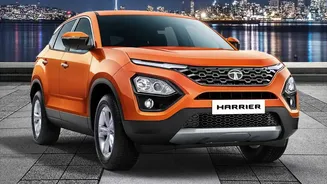
On August 21, 2026, Tata Motors officially announced a price revision for its entire passenger vehicle portfolio, including both internal combustion engine (ICE) and electric (EV) models. The increase, effective September 1, 2026, will be up to ₹25,000,
with the exact amount varying depending on the specific model and variant. The company has cited rising input costs and sustained inflationary pressures as the primary reasons for this move. This decision follows a similar announcement from competitor Hyundai, which also plans a price increase in September, signalling a broader industry trend of manufacturers passing on some of their increased costs to consumers.
The Case for Buying in August
The most compelling reason to buy before September is to save money. A direct saving of up to ₹25,000 is a significant incentive. Furthermore, Tata Motors is currently offering substantial discounts and benefits for the month of August 2026. These offers, which include cash discounts, exchange bonuses, and festive schemes, could amount to benefits of up to ₹1.25 lakh on some ICE models and even higher on certain EVs. These August promotions will expire at the end of the month, meaning a purchase in September will not only come with a higher sticker price but also without the current level of discounts. Combining a direct price-hike saving with a hefty August discount presents a powerful, if fleeting, financial opportunity.
The Argument for Waiting
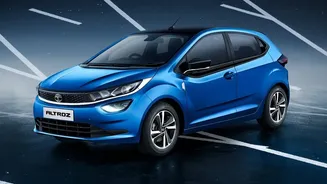
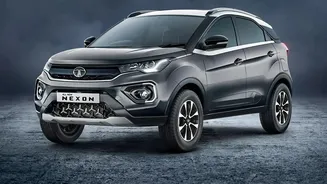
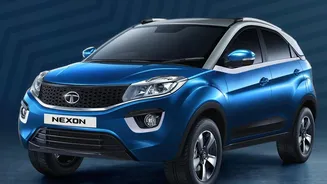
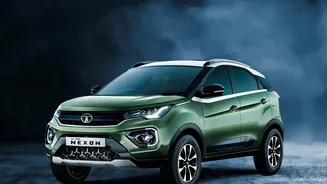
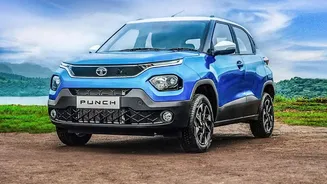
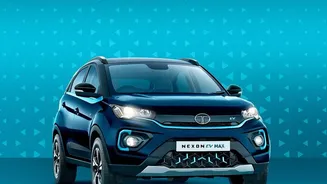
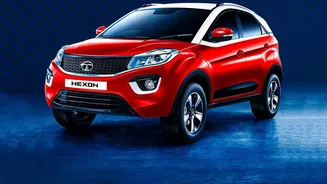
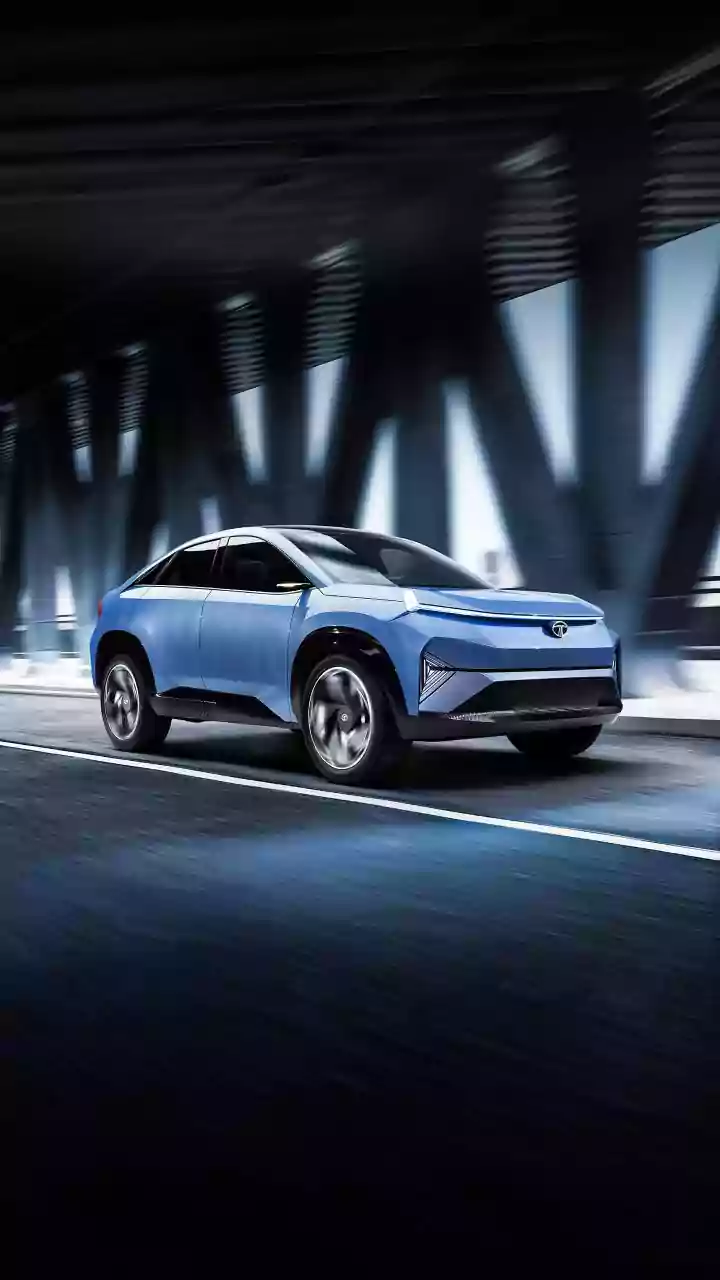
While buying now seems logical, there are strong reasons to wait. The biggest factor is vehicle availability and waiting periods. For some of Tata's most popular models, particularly EVs like the Punch EV and Tiago EV, the waiting period can stretch for months—in some cases, up to 24 weeks or more. Booking a car in August does not guarantee you will get it before the price hike applies; dealers often apply the price prevalent at the time of delivery, not booking. For models like the Tigor, Altroz, and Nexon, which have shorter waiting times of one to three weeks, an immediate purchase is more feasible. Additionally, the automotive landscape is constantly evolving. Tata has several new models and facelifts in the pipeline for 2026 and 2027, including the Safari EV and the highly anticipated Avinya. Waiting could mean accessing a newer, more technologically advanced model that might be a better long-term investment.
How to Make Your Decision
Your decision should be based on a few key questions. First, which model are you interested in? Check the current waiting period with multiple dealers. If it's a high-demand model like the Punch EV, you are unlikely to beat the price hike anyway, which makes waiting less of a gamble. Second, how important is the immediate saving? If the current August discounts combined with avoiding the price hike offer a substantial benefit on a readily available car, and you need a vehicle now, then buying in August is the clear winner. Third, are you interested in upcoming models? If a facelift or a new launch like the Safari EV is on your radar, the small price increase on a current-generation model is irrelevant. It’s better to wait for the car you truly want. Finally, review your finances. A rushed purchase can lead to a compromised choice in variant or features. Ensure the decision fits your budget comfortably, regardless of the timing.