

Chia Seeds: The Fibre Powerhouse
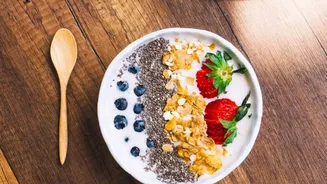
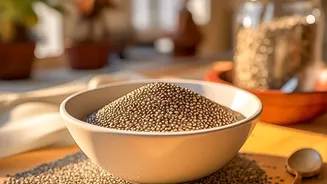
These tiny black seeds are nutritional giants, renowned for their high fibre content. When mixed with liquid, chia seeds form a gel-like substance in your stomach, which slows down digestion. This process not only helps you feel full for an extended period
but also leads to a more gradual release of glucose into the bloodstream, preventing sharp spikes after your meal. A typical serving of two tablespoons packs about 10 grams of fibre and 5 grams of protein, making it a powerful tool for satiety and blood sugar regulation. Their neutral flavour allows them to be easily stirred into yogurt, blended into smoothies, or used to create a simple overnight pudding.
Flax Seeds: Rich in Omega-3s and Fibre
Flax seeds, or 'alsi', are celebrated for their impressive combination of fibre, healthy omega-3 fatty acids, and unique compounds called lignans. The soluble fibre in flax slows the absorption of sugars and carbohydrates, which is crucial for maintaining steady blood glucose levels. To get the most benefit, it is best to consume flax seeds in their ground form, as the whole seeds can pass through the digestive system undigested. Sprinkling ground flaxseed over oatmeal, mixing it into dosa batter, or adding it to a smoothie can improve insulin sensitivity and keep you feeling satisfied until your next meal.
Pumpkin Seeds: The Magnesium Boost
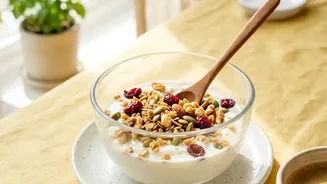
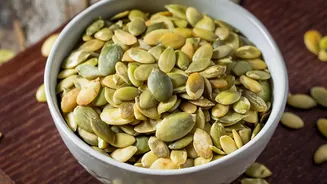
Also known as pepitas, pumpkin seeds are a delicious and crunchy addition to any breakfast. They are an excellent source of magnesium, a mineral that plays a vital role in glucose metabolism and improving insulin sensitivity. Many people with diabetes have been found to be deficient in magnesium, making these seeds particularly beneficial. Beyond magnesium, pumpkin seeds provide a healthy dose of protein, fibre, and healthy fats, a combination that promotes satiety and helps prevent overeating. Enjoy a small handful raw or roasted, or sprinkle them over a bowl of fruit and yogurt for added texture and nutrients.
Sunflower Seeds: A Source of Healthy Fats
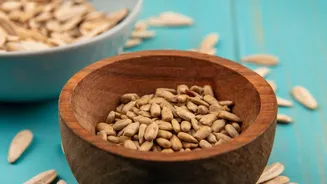
Sunflower seeds are packed with healthy monounsaturated and polyunsaturated fats, protein, and fibre, all of which contribute to a lasting feeling of fullness. This can help reduce overall hunger and prevent overeating later in the day. They are also a great source of Vitamin E, a potent antioxidant that can help combat inflammation associated with diabetes. The combination of fats, protein, and antioxidants in sunflower seeds may also help improve glucose responses after a meal. Opt for unsalted or lightly roasted varieties to keep your sodium intake in check, and add them to salads, yogurt, or simply enjoy them as a standalone snack.
Sesame seeds, or 'til', are a staple in Indian kitchens and offer significant benefits for diabetes management. They are low in carbohydrates but rich in protein, healthy fats, and fibre. This powerful trio slows down digestion, which helps prevent blood sugar spikes and keeps you feeling full. Sesame seeds also contain unique antioxidants, including sesamin, which may help reduce inflammation and oxidative stress. You can easily sprinkle whole sesame seeds over roasted vegetables or salads. Tahini, a paste made from ground sesame seeds, can be used as a creamy, lowcarb base for dressings and sauces.