


Understanding the Monsoon's Dual Nature
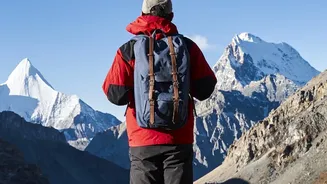
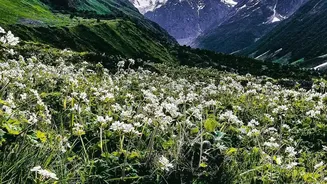
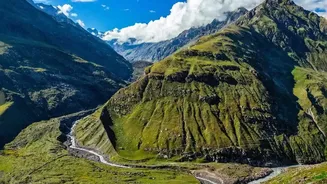
The monsoon transforms Uttarakhand. Valleys explode into vibrant green, and waterfalls thunder to life. Treks like the Valley of Flowers are only possible during this season, as the rains trigger the bloom of over 500 species of alpine flowers. This scenic
transformation, however, brings significant challenges. The primary risks include landslides, which can block roads and trails, and paths becoming extremely slippery and muddy. Streams and rivers can swell rapidly, making crossings treacherous. Reduced visibility due to fog and clouds is common, and in forested areas, leeches become a nuisance. Respecting this duality is the first step toward a safe adventure.
Choose Your Trail Wisely
Not all treks are suitable for the monsoon. Some, like the Valley of Flowers, are at their peak and have well-maintained, stone-paved paths designed for the season. This makes them a relatively safe and rewarding option for beginners and experienced trekkers alike. Other accessible monsoon options include Nag Tibba and Dayara Bugyal, which are known for their stable terrain. Conversely, many popular treks like Har Ki Dun and Kuari Pass are generally not recommended during peak monsoon months due to high risks of landslides and dangerous trail conditions. Always research your intended trail's suitability for the monsoon and check with local authorities or trek operators about its current status.
The Pre-Trek Intelligence Briefing
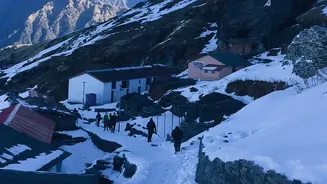
Before you even pack your bags, diligent research is paramount. Constantly monitor weather forecasts from reliable sources like the India Meteorological Department (IMD). It's also crucial to check for official advisories from the Uttarakhand state government, which often issues alerts regarding road closures and high-risk areas. Landslides can shut down access roads for days, so having buffer days in your itinerary is not a luxury but a necessity. Hiring an experienced local guide is strongly recommended; they possess invaluable knowledge of the terrain, weather patterns, and safe passages.
The Monsoon Gear Gospel
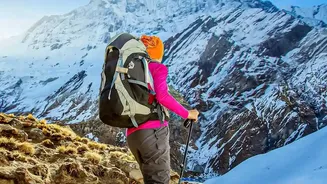
Your gear is your first line of defense against the elements. The packing philosophy is simple: stay dry and stable. This starts with non-negotiable waterproof trekking shoes with excellent grip to handle slippery rocks and mud. Layering is key: wear quick-drying synthetic base layers that wick moisture away from your skin, an insulating fleece or light padded jacket for warmth, and a high-quality waterproof and windproof outer shell. A poncho is a valuable addition as it can cover both you and your backpack. Your backpack itself must have a rain cover. Inside, use dry bags or zip-lock pouches to protect electronics, documents, and a spare set of dry clothes.
On-Trail Tactics for a Safe Ascent
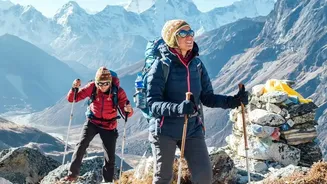
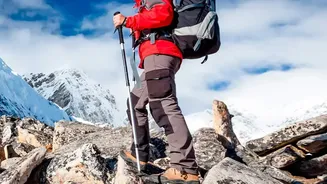
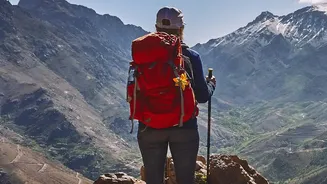
How you conduct yourself on the trail is just as important as the gear you carry. Always start your trekking day early, as monsoon rain tends to intensify in the afternoon. Trekking poles are essential; they provide two extra points of contact, dramatically improving your balance on treacherous descents and slippery paths. When crossing streams, be extremely cautious. If the water is high and fast-flowing, it is safer to wait for it to recede. Stay hydrated, eat high-energy snacks, and allow your body to acclimatize to the altitude properly. Never trek alone in the monsoon; travel with a guide or in a group.
Emergency Preparedness
Even with the best planning, things can go wrong. Inform a reliable contact back home of your detailed itinerary and expected return date. Carry a fully charged phone and a power bank. Your first-aid kit should be comprehensive, including basics for cuts, pain relief, antiseptic, and crucially, blister plasters. Include any personal medications and rehydration salts. Know the emergency contact numbers for local authorities and rescue services. Having travel insurance that covers trekking and emergency evacuation is a wise investment for any high-altitude adventure.