







From Reels to Real-Time Relief
On platforms like Instagram and YouTube, a new kind of challenge is gaining momentum, one that doesn't involve dance moves or daring stunts. Instead, it asks for just five minutes of your time and your full attention on your breath. These challenges often
feature calming music and visual cues—like an expanding and contracting circle—guiding users through a set pattern of inhalation, holding, and exhalation. The most common techniques being popularised are 'box breathing' (inhale for 4 seconds, hold for 4, exhale for 4, hold for 4) and the '4-7-8 method' (inhale for 4, hold for 7, exhale for 8). The appeal is its simplicity and accessibility. Anyone with a smartphone can participate anytime, anywhere, turning a few spare moments into a pocket-sized meditation session.
Ancient Wisdom, Modern Packaging
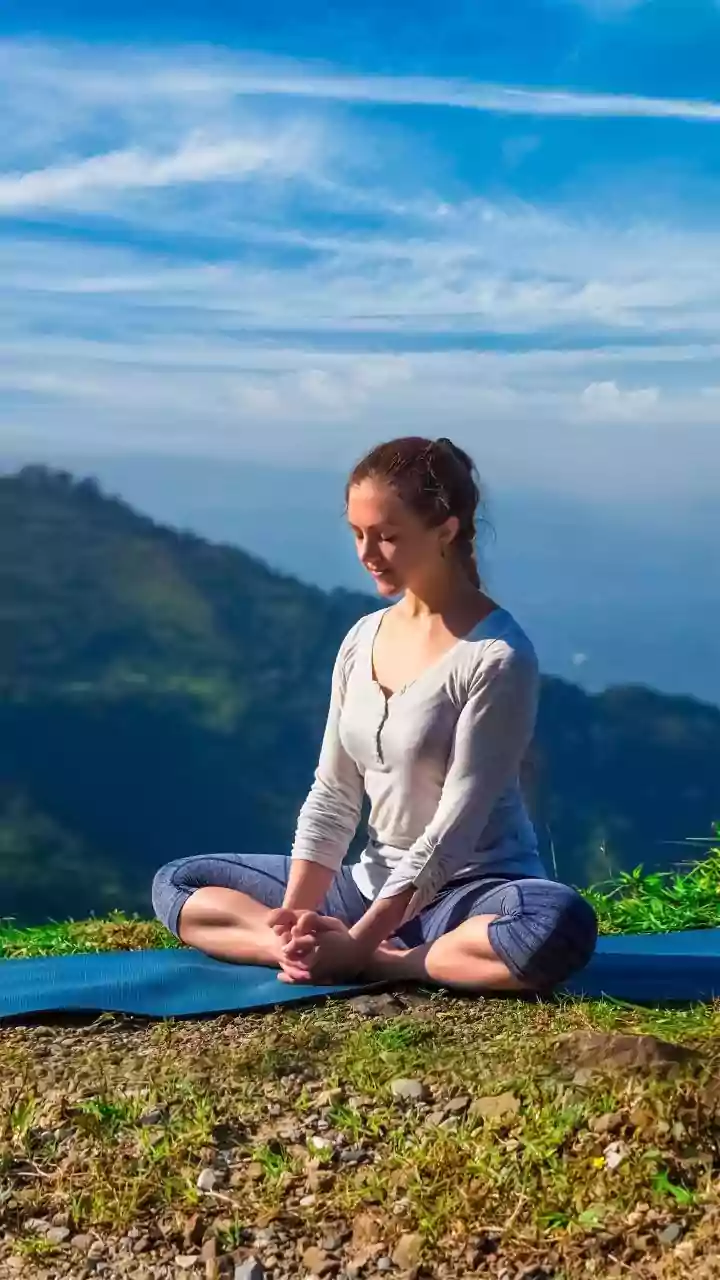
While it might feel like a distinctly digital-age phenomenon, the foundation of these challenges is deeply rooted in India's ancient traditions. The practice of consciously controlling the breath, known as pranayama, has been a cornerstone of yoga for millennia. Techniques that are now trending on social media are simplified versions of classical pranayamas like 'Sama Vritti' (equal breathing) and others designed to calm the nervous system. What’s new is the packaging. Wellness influencers and creators have successfully distilled these complex concepts into bite-sized, shareable content that resonates with a younger audience. By framing it as a 'challenge,' they tap into social media's culture of participation and shared experience, making an age-old practice feel fresh and relevant.
The Quest for Digital Calm
The popularity of these breathing challenges speaks volumes about the current mental state of young Indians. Faced with academic pressure, career uncertainty, and the constant stimulation of a hyper-connected world, many are grappling with heightened levels of stress and anxiety. Traditional therapy can be expensive or stigmatised, leaving a gap for accessible mental wellness tools. The 5-minute breathing challenge fills this void perfectly. It's free, private, and requires minimal commitment. The promise of a quick 'reset' button for the mind is incredibly appealing to a generation accustomed to instant gratification. It offers a tangible, immediate action one can take to reclaim a sense of control and find a moment of peace amidst the chaos.
The Science-Backed Benefits
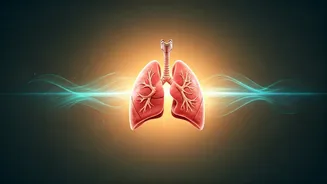
This isn't just a placebo effect; there is concrete science behind why controlled breathing works. When you intentionally slow down your breath, you activate the parasympathetic nervous system, often called the 'rest and digest' system. This counteracts the 'fight or flight' response triggered by stress. Deep, slow breathing sends a signal to your brain to calm down, which can lead to a lower heart rate, reduced blood pressure, and a decrease in the stress hormone cortisol. Studies have shown that regular practice of mindful breathing can improve focus, reduce symptoms of anxiety, and even improve sleep quality. These 5-minute sessions act as a mini-workout for your nervous system, training it to become more resilient to stress over time.
A Word of Caution: Know Your Limits
However, not all breathing challenges are created equal. While guided, gentle breathing is largely safe, some extreme versions circulating online involve holding one's breath for dangerously long periods. These can be risky, especially for individuals with underlying health conditions like asthma, high blood pressure, or heart problems. Pushing your body to its limits without proper guidance can lead to dizziness, fainting, or other complications. It’s crucial to distinguish between calming, regulated breathing exercises and competitive breath-holding challenges. The goal of breathwork should be relaxation and well-being, not performance or chasing a 'high score.' Always listen to your body; if you feel lightheaded or uncomfortable, stop immediately.