





1. It's a Nutritional Powerhouse
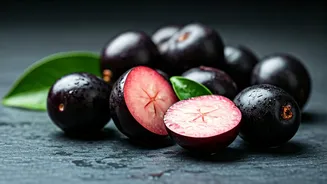
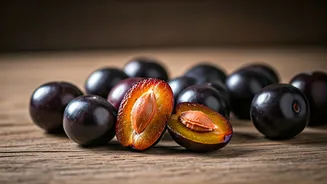
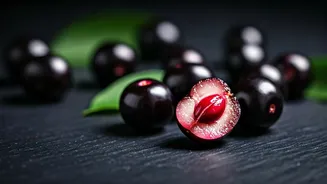
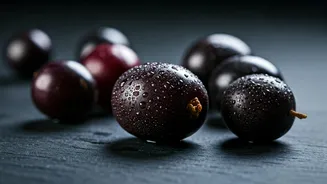
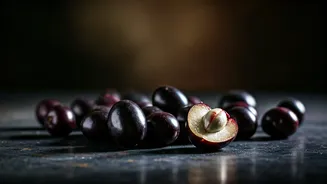
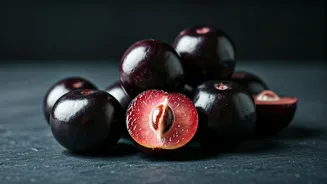
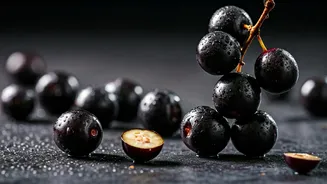
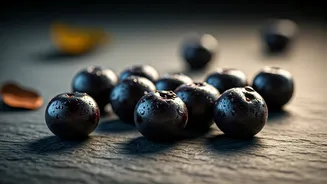
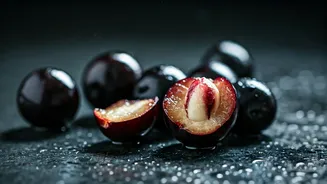
Don't let its humble appearance fool you; the jamun, or black plum, is a bona fide superfood. It's packed with Vitamin C and iron, which can help boost your haemoglobin levels. The fruit is also a rich source of antioxidants like anthocyanins, which give
it its characteristic deep purple colour. These antioxidants fight free radicals in the body, which are linked to cell damage and ageing. Furthermore, jamuns contain essential minerals like potassium, which is vital for heart health and maintaining blood pressure. Its low-calorie, high-fibre profile also makes it a fantastic snack for weight management, as it promotes a feeling of fullness.
2. The Traditional Link to Blood Sugar
For generations, jamun has been a staple in traditional Indian medicine, particularly in managing blood sugar levels. The fruit has a low glycaemic index, meaning it doesn't cause a rapid spike in blood sugar. Compounds found in the seeds, leaves, and pulp are believed to play a role in converting starch into energy and helping to regulate insulin sensitivity. While modern science is still studying these effects, and jamun is by no means a replacement for prescribed diabetes medication, its traditional use highlights its unique properties. The powdered seeds (jamun seed powder) are often consumed for this very reason, extending the fruit's benefits long after its short season ends.
3. A Burst of Nostalgia
For many, the taste of jamun is the taste of childhood. It brings back memories of summer holidays, of carefree afternoons spent with friends, and the tell-tale purple stains on tongues and clothes that no one could hide. That unique flavour profile—a sharp astringency that quickly mellows into a deep, earthy sweetness—is unforgettable. Sprinkling a pinch of black salt (kala namak) on a handful of jamuns is a ritual that elevates the experience, balancing the flavours perfectly. Indulging in jamun isn't just about eating a fruit; it's about reconnecting with a simpler, cherished part of our collective Indian memory.
4. Incredible Culinary Versatility
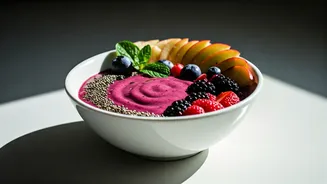
While eating them fresh is the most common way to enjoy jamuns, their culinary potential is vast. Their tartness and vibrant colour make them a fantastic ingredient in the kitchen. Blend them into a refreshing smoothie or a cooling lassi for a healthy breakfast. Deseed them and cook them down with a little sugar and spice to create a delicious jam or chutney that pairs beautifully with toast or cheese. For a modern twist, use the pulp to make a vibrant sorbet or ice cream. You can even infuse water or vinegar with jamuns for a unique flavour base for drinks and salad dressings. Thinking beyond the fruit bowl unlocks a world of delicious possibilities.
5. How to Pick and Store Them
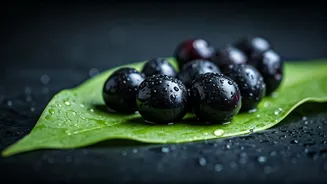
Making the most of the season starts with picking the right fruit. Look for jamuns that are plump, firm to the touch, and have a deep, uniform purple-black colour. Avoid fruits that are bruised, mushy, or have any green patches, as they will be overly sour. Check for small holes that might indicate worms. Once you get them home, it's best to consume them quickly as they are highly perishable. Wash them well right before you plan to eat them. If you need to store them, keep them in an unsealed bag in the refrigerator for a day or two at most. For longer storage, you can deseed and freeze the pulp in an airtight container or ice cube trays for use in smoothies and desserts later.