






As autumn winds pick up and temperatures drop, a familiar anxiety sets in for urban gardeners. Your lush balcony oasis feels suddenly vulnerable. Here’s how to protect your delicate ferns and other potted plants from the season’s chill.
Understanding the Balcony Battlefield
A plant that might
survive winter in the ground is far more vulnerable in a pot on a balcony. The soil in a container freezes much faster than garden soil because it’s exposed to cold air from all sides. Concrete and metal railings radiate cold, and wind tunnels can form between buildings, creating harsh drafts that desiccate and damage delicate fronds. For ferns, which thrive on humidity and stable conditions, this combination can be particularly brutal. The primary goal is to protect the plant's roots, which are the most susceptible to a hard freeze. A little preparation focuses on insulating this root ball and shielding the foliage from the worst of the wind.
Your First Line of Defense: Simple Barriers
Before a cold snap hits, create simple but effective barriers. Wrapping pots in materials like bubble wrap, old towels, or burlap can provide an essential layer of insulation for the roots. This is like giving your pot its own winter jacket. For the foliage, a frost blanket or horticultural fleece can be draped over the plants at night, which can raise the temperature around the plant by several degrees. Just be sure to remove covers in the morning to prevent overheating and allow for air circulation. Avoid letting plastic touch the leaves directly, as this can cause freezing and 'burn' the foliage.
The Group Huddle Strategy
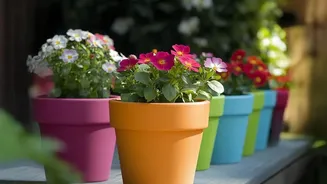
There's strength in numbers. Grouping your potted plants together in a sheltered corner of your balcony creates a collective microclimate. The plants shield each other from wind, and the combined mass helps retain a bit more warmth. Place the most delicate plants, like your ferns, in the center of the cluster for maximum protection. Moving them closer to the wall of your building can also help, as the wall absorbs heat during the day and releases it slowly overnight. Additionally, lifting pots off the cold concrete floor using 'pot feet', bricks, or wood scraps prevents cold from wicking up into the root ball and ensures proper drainage.
Watering Wisely and Adding Mulch
Watering needs change significantly in cooler weather. While plants should be well-watered before a freeze, as moist soil retains heat better than dry soil, it's crucial not to overdo it. In the winter, plants enter a dormant or semi-dormant state and require much less water. Water only when the top inch of soil feels dry. Soggy soil in cold weather is a recipe for root rot. To further insulate the soil and protect the roots, add a layer of mulch on top. Materials like straw, shredded leaves, or coconut husk act as a blanket, regulating soil temperature and retaining moisture.
The Big Decision: When to Retreat Indoors
Some ferns, particularly tropical varieties like the Boston fern, will not survive a freeze and must be brought indoors. The general rule is to move them inside before the first frost, ideally when nighttime temperatures consistently dip toward 50°F (10°C). Before bringing them in, give the plants a good rinse with water to dislodge any pests, and trim any dead or yellowing fronds. Indoors, place them in a spot with bright, indirect light, away from drafts and heating vents. Since indoor air is dry, you can increase humidity by misting the fronds, using a pebble tray with water, or grouping them with other houseplants.