




The Irreplaceable Human Element in an AI World
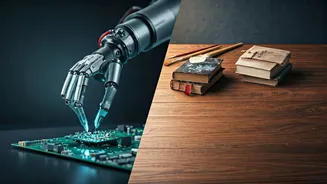
As artificial intelligence automates routine tasks, the workplace is shifting its focus from what can be done by machines to what can only be done by people. According to a 2026 GMAC survey of global corporate recruiters, while tech and AI skills are
growing in importance, capabilities like communication, problem-solving, and adaptability are what employers consider most when hiring. The consensus is that AI is a powerful tool, but it works best when it enhances human talent. A recent study revealed that 72% of frequent AI users believe oral communication will become more important, as AI handles more written tasks. This creates a demand for professionals who can think critically, navigate complex human interactions, and provide strategic oversight that algorithms cannot. The future, it seems, belongs to those who can blend technological capability with distinctly human strengths.
Fueling Innovation and Agility
Today's business environment is defined by complexity and rapid change, making collaboration essential for survival and growth. When people from different departments and with diverse skills work together, they bring a range of perspectives that can lead to more holistic and innovative solutions. This cross-functional collaboration is the engine of creativity, allowing teams to tackle complex problems that no single individual could solve alone. Furthermore, a collaborative culture enhances organisational agility. Teams that communicate seamlessly can respond much faster to market shifts, customer feedback, and competitive pressures, breaking down the departmental silos that slow progress.
The New Demands of Hybrid and Remote Work
The rise of remote and hybrid work models has fundamentally changed how teams interact. Spontaneous office conversations have been replaced by a mix of video calls and asynchronous communication like emails and chat messages. In this environment, communication must be more intentional and clear to avoid misunderstandings, especially without non-verbal cues. A study of over 61,000 Microsoft employees found that remote work can lead to more siloed communication patterns, making proactive teamwork and clear communication strategies crucial. Employers need people who can build trust and maintain connections with colleagues they may rarely see in person, making emotional intelligence and deliberate communication top-tier skills.
Building Resilient and Engaged Teams
Strong teamwork and communication do more than just improve project outcomes; they build a positive and resilient work environment. When employees collaborate effectively, they develop a sense of camaraderie, trust, and mutual respect. This fosters a sense of belonging and psychological safety, which are critical for employee well-being and retention. Gallup data shows that employees who have strong collaborative relationships are significantly more likely to stay with their company. In high-pressure environments, this internal support system helps teams manage stress and recover from setbacks. Companies that foster this kind of culture are not just more innovative; they are also better at retaining their top talent.