








The Allure and Anxiety of 'Dietary Purity'
The idea of 'dietary purity,' often marketed as 'clean eating,' suggests that by eliminating entire food groups—like gluten, dairy, sugar, or processed items—we can achieve a higher state of health. This mindset labels foods as 'good' or 'bad,' creating
a rigid set of rules. While the intention might start from a good place, this pursuit of perfection can quickly become a source of stress and anxiety. This obsession with healthy eating has a name: orthorexia nervosa. While not yet an official diagnosis, it describes a fixation on food quality that negatively impacts a person's well-being. This can lead to social isolation, as people may avoid meals they didn't prepare themselves, and intense guilt over eating a 'forbidden' food. The pressure to be 'pure' turns food from a source of nourishment and pleasure into a source of conflict.
What 'Food Quality' Actually Means
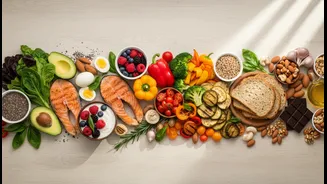
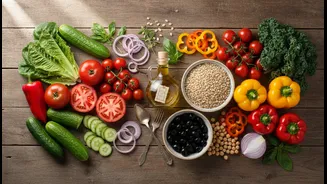
Shifting our focus to 'food quality' means moving away from black-and-white thinking. It’s about prioritising nutrient density—getting more vitamins, minerals, and beneficial compounds from your calories. High-quality foods are typically whole or minimally processed, meaning they are as close to their natural state as possible. Think fresh vegetables, fruits, whole grains, lean proteins, and healthy fats. This approach doesn't require you to ban food groups. Instead, it encourages you to build a diet rich in foods that fuel your body effectively. Studies show that diets emphasising nutrient-dense foods can support everything from gut health to a stronger immune system and reduce the risk of chronic diseases, without requiring obsessive calorie counting.
Embracing Practicality with the 80/20 Rule
One of the most practical ways to focus on quality without demanding purity is the 80/20 rule. Popular among nutritionists and fitness experts, this approach suggests focusing on eating nutritious, whole foods 80% of the time, and allowing yourself to enjoy your favourite treats for the remaining 20%. This isn't a 'cheat' system; it's a sustainable lifestyle model. It acknowledges that a healthy relationship with food includes flexibility and enjoyment. For an Indian audience, this could mean enjoying home-cooked meals packed with vegetables and lentils during the week, and having that pani puri or slice of cake at a weekend gathering without a spiral of guilt. This balance prevents the feelings of deprivation that often cause restrictive diets to fail, making it a habit you can stick with for life.
A Holistic View of Wellness
Truly improving your health means looking beyond just the food on your plate. A holistic approach recognizes that nutrition is interconnected with your body, mind, and spirit. Obsessing over dietary purity can elevate stress levels, which in turn negatively impacts your health. In contrast, a balanced diet is just one pillar of well-being. Other critical components include getting adequate sleep, managing stress, moving your body regularly, and maintaining positive social relationships. By focusing on overall food quality, you free up mental and emotional energy to invest in these other areas of health. This creates a positive cycle where good nutrition supports your overall vitality, rather than being a source of anxiety. The goal is to nourish your whole self, not just follow a set of dietary rules.