





The Rise of the Lived-In Look
There's a collective sigh of relief happening in living rooms across the country. The era of stark, untouchable minimalism is giving way to something far more forgiving: cosy imperfection. This trend, also known as the 'lived-in look' or 'intentional
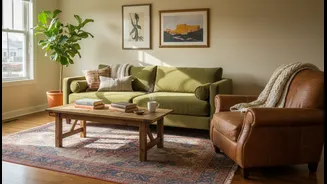
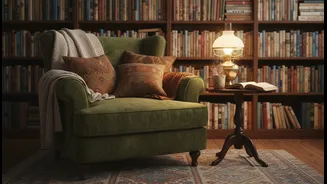
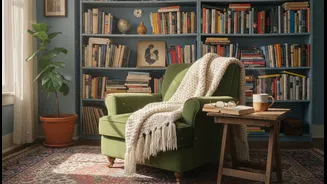
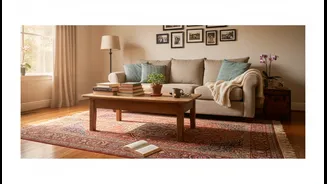
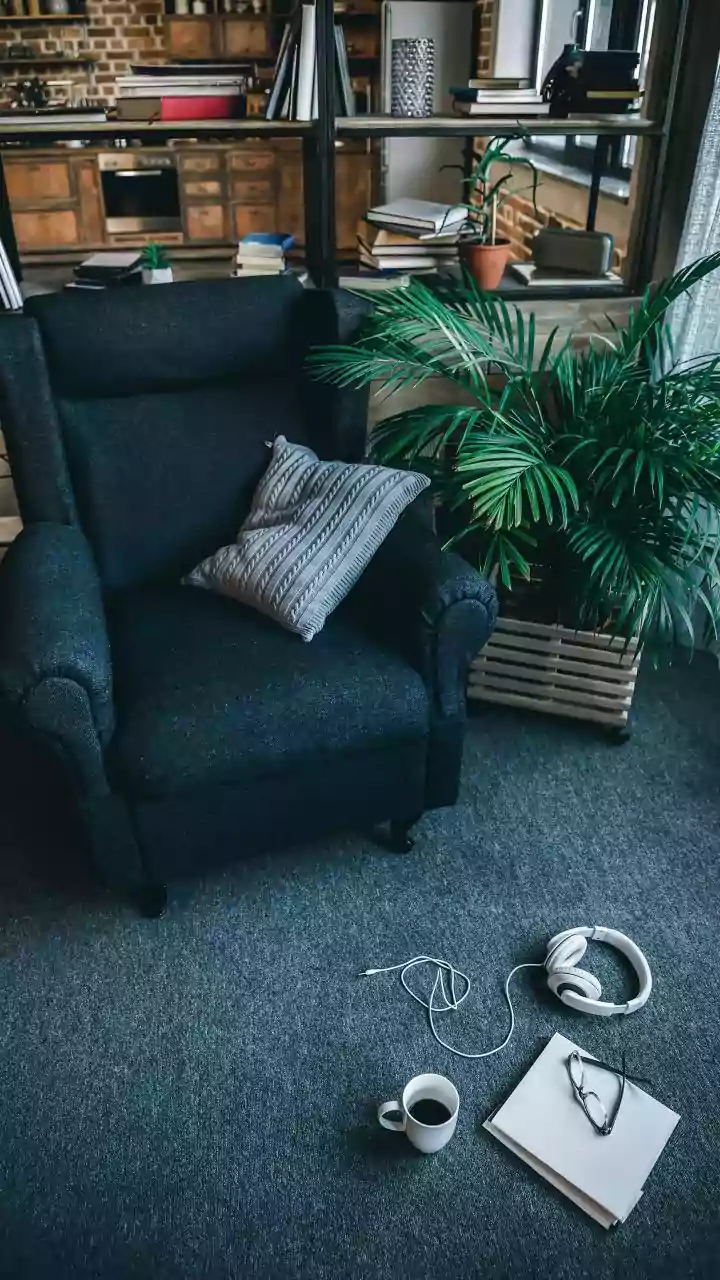
clutter', is a move away from showroom-style homes and toward spaces that reflect the beautiful messiness of actual life. It’s not about letting things descend into chaos, but about curating a home that tells a story. Think stacks of beloved books on the floor, a gallery wall hung slightly off-centre, and furniture that shows the gentle patina of age. The goal is to create an environment that feels human, warm, and inviting—a space where you can actually relax without worrying about smudging a perfectly polished surface.
A Backlash to Picture-Perfect Pressure
This shift didn’t happen in a vacuum. It is a direct reaction to the pressure of maintaining a home that looks like it was staged for a magazine shoot or an Instagram post. For the better part of a decade, the dominant aesthetic was defined by clean lines, neutral palettes, and a distinct lack of personal items. This often resulted in spaces that felt cold, impersonal, and even stressful to maintain. The minimalist ideal, while attractive in theory, often failed to account for the reality of day-to-day life, from hobbies and collections to the simple presence of family and friends. The rise of cosy imperfection is a declaration that our homes should be for living in, not just for looking at. It's a rebellion against the idea that a beautiful home has to be a sterile one.
The Psychology of Comforting Chaos
So why is this trend resonating so deeply right now? In a world that often feels overwhelming, our homes have become our sanctuaries. We crave spaces that provide emotional comfort and a sense of belonging. Surrounding ourselves with objects that have personal meaning—souvenirs from travels, inherited pieces, handmade items—creates an environment that feels authentically ours. This approach is about designing for well-being, prioritising what makes you happy over what is considered trendy. The Japanese concept of wabi-sabi, which finds beauty in imperfection and impermanence, aligns perfectly with this mindset. It’s an acknowledgment that a crack in a ceramic bowl or the wear on a wooden table adds character and history, making a space feel more grounded and real.
How to Cultivate Curated Imperfection
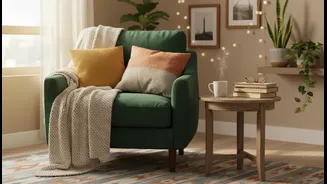
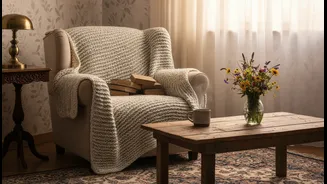
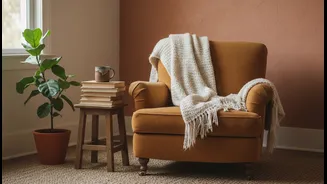
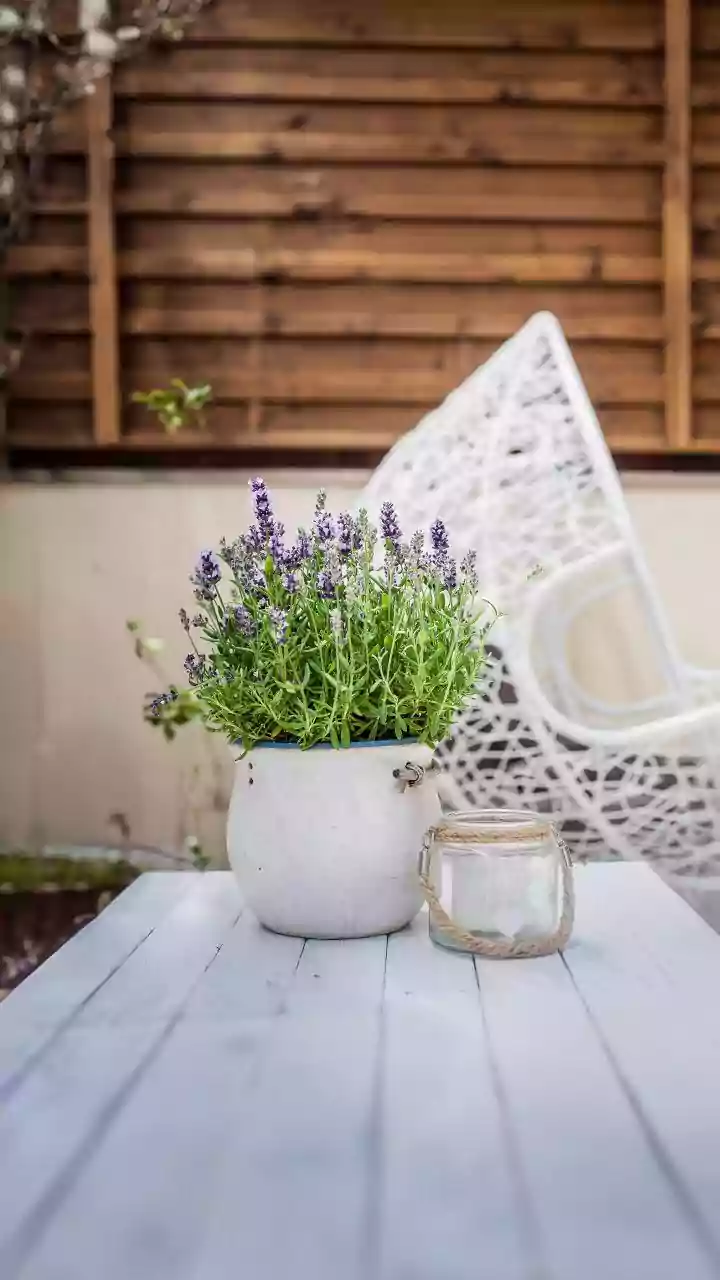
Embracing this look isn't an excuse for untidiness; it's about making deliberate choices. The key is curation. Start by layering textures to add warmth and depth. Think woven materials, rough-hewn wood, and natural fabrics like linen and wool. Mix old and new pieces to create a sense that your home has evolved over time. That modern sofa can look fantastic next to a vintage side table you found at a flea market. Display your collections with pride, whether it's pottery, plants, or art. The trick is to group items thoughtfully, creating little vignettes that draw the eye, while still leaving some surfaces clear to give the room breathing space. This balance prevents the space from feeling cluttered and instead makes it feel intentionally and personally styled.