







From Adda to 'Work from Cafe'
Kolkata's cafe culture has always been synonymous with 'adda' – leisurely, freewheeling conversations over cups of chai or coffee. These institutions were the city's original social network. But as work culture evolves globally, so too does the purpose
of these cherished spaces. The rise of remote and hybrid work models has prompted a new generation to seek 'third spaces' that are neither home nor a formal office. Increasingly, they are finding their place amidst the history-soaked walls of Kolkata's heritage cafes, transforming them into vibrant, informal co-working hubs. This fusion of cafe culture and remote work is reshaping how a segment of the city operates, proving that even the most traditional establishments can adapt to modern demands.
A Makeover That Respects the Past
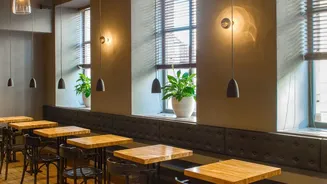
The makeover of these old-world establishments is a delicate balancing act. It's not about gutting interiors or erasing character, but about thoughtful integration of modern necessities. The most crucial additions are reliable Wi-Fi and ample power outlets, turning marbled-top tables into functional workstations. Some cafes, like Artsy, have specifically designed sections with seating conducive to long hours on a laptop. Others, like the ninety-year-old house transformed into The Red Bari, have designated entire floors for co-working, keeping the ground-floor coffee shop distinct yet connected. Menus are also evolving, with some cafes introducing special beverage and snack combos for the working crowd to keep them fueled through deadlines. This process of 'adaptive reuse' allows these historic buildings to find new economic viability, ensuring their preservation for years to come.
Why Nostalgia is the Newest Amenity
For many remote workers, the appeal of these cafes goes far beyond a stable internet connection. In a city steeped in culture, working from a generic, sterile office space feels disconnected. Instead, freelancers and hybrid employees are choosing atmosphere and inspiration. They are drawn to the colonial architecture of places like Flurys, which dates back to 1927, or the intellectual legacy of the Indian Coffee House. There is a certain romance to drafting a presentation in the same room where literary giants once debated. These heritage spots offer a sense of community and connection to the city's soul that a modern co-working chain often cannot replicate. The quiet hum of a historic space, combined with good coffee, provides a unique and productive environment.
The Business of Blending Eras
For cafe owners, this new clientele represents both an opportunity and a challenge. The steady stream of remote workers ensures business throughout the day, not just during peak meal times. However, it requires a shift in mindset. Owners must now manage patrons who might occupy a table for several hours. Some establishments have met this challenge by creating dedicated work-friendly zones or offering specific co-working packages, as seen at Sienna Cafe. Others, like The Red Bari, have intentionally created separated floors to minimise interruptions for both diners and workers. The goal is to welcome the laptop-wielding generation without alienating the traditional patrons who come for a quick coffee and conversation. It’s a strategy of diversification that keeps these beloved institutions relevant and financially sustainable in an ever-changing urban landscape.