





The Majestic Peacock Dance
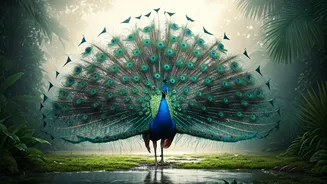
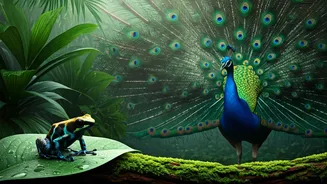
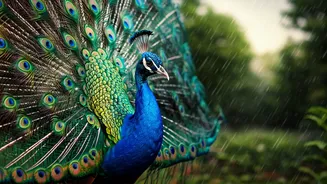
There is no sight more synonymous with the Indian monsoon than a peacock in full display. The arrival of the rains marks the beginning of their breeding season, and males put on a spectacular show to attract mates. Their iridescent blue-green plumage,
fanned out into a massive, shimmering train, looks even more brilliant against the grey, overcast skies. The damp earth and lush greenery provide a stunning backdrop for this natural courtship ritual. While you can spot peacocks in many parts of the country, the scrublands and deciduous forests of Rajasthan and Central India, such as Sariska or the outskirts of Ranthambore, become prime stages for this unforgettable performance.
Elephant Herds on the Move
For many large mammals, the monsoon is a time of plenty. Elephants, in particular, revel in the rain. The parched earth softens, waterholes fill up, and fresh, succulent vegetation becomes abundant. This is when you can witness large herds, including playful calves, enjoying mud baths and feasting on new growth. The cooler temperatures make them more active during the day. Sanctuaries in the Western Ghats, like Periyar in Kerala or Bandipur and Nagarhole in Karnataka, are fantastic places to see these gentle giants. A boat safari on Periyar Lake, with elephants drinking at the water's edge amidst the mist, is an iconic monsoon experience.
The Secret World of Amphibians
The monsoon awakens a world that remains hidden for most of the year. This is the season for herpetofauna—reptiles and amphibians. The constant moisture and overflowing streams create the perfect breeding ground for countless species of frogs, whose calls fill the night with a symphonic chorus. This is also the best time to spot snakes, including the magnificent king cobra, which are more active as they hunt for their frog-filled meals. Regions like the Western Ghats, a biodiversity hotspot, come alive. Guided night walks in places like Agumbe in Karnataka, known as the 'Cherrapunji of the South', offer a thrilling adventure for those keen to discover this smaller, secret side of the jungle.
Tiger Spotting in the Buffer Zones
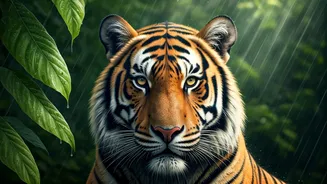
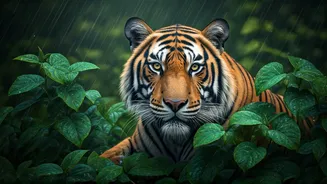
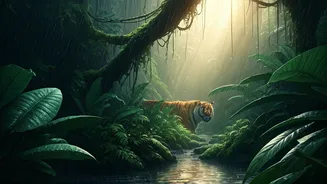
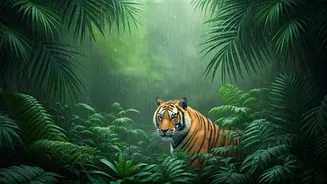
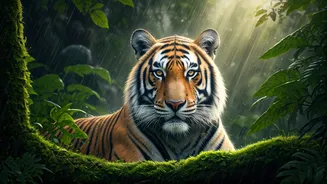
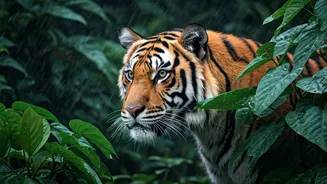
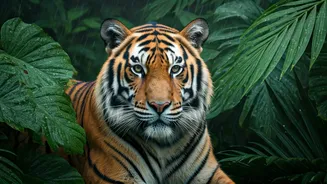
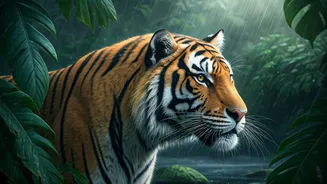
While the core zones of many major tiger reserves close during the monsoon to allow the forest to regenerate, the adventure doesn't stop. The buffer zones and certain tourism routes in reserves like Tadoba-Andhari in Maharashtra or the periphery of Jim Corbett in Uttarakhand often remain open. The rain washes away the dust, making animal tracks easier to follow on the wet ground. With water sources plentiful throughout the forest, tigers are not restricted to specific waterholes and may be seen patrolling their territories along the safari trails. The jungle is less crowded with tourists, offering a more intimate and serene tracking experience, with the added drama of a tiger emerging from a curtain of green.
A Paradise for Birdwatchers
The monsoon is a boon for birdwatching. The breeding season for many resident Indian birds aligns with the rains. You can witness fascinating nesting and feeding behaviours. Birds like the pied crested cuckoo, famously known as the 'harbinger of the monsoon', complete their long migration from Africa just in time for the downpour. The abundance of insects provides a feast for flycatchers, drongos, and bee-eaters. Even otherwise shy birds seem more conspicuous against the lush foliage. From the wetlands of Keoladeo National Park in Rajasthan to the Himalayan foothills, the avian world is abuzz with activity, making it a rewarding time for enthusiasts to grab their binoculars.