

Why More Protein Matters
Protein is an essential macronutrient that serves as a building block for muscle, skin, enzymes, and hormones. Especially for those on a vegetarian or plant-based diet, ensuring an adequate protein intake is crucial for staying energised, feeling full
for longer, and supporting overall health. Adding a protein boost to staples you already eat is a simple and effective strategy. By incorporating protein-rich seed powders into batters, you can enhance the nutritional value of your meals without drastically changing the flavours you love.
The Top Seeds for Your Powder
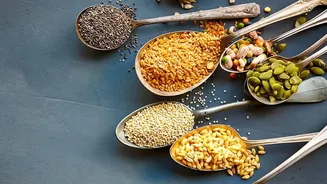
Not all seeds are created equal when it comes to protein. For the biggest impact, focus on these nutritional powerhouses. Hemp seeds are a top contender, offering about 9.5 grams of protein per 28-gram serving. They are also a complete protein, meaning they contain all nine essential amino acids. Pumpkin seeds are another excellent choice, providing around 8.5 grams of protein in the same serving size. Following closely are sunflower seeds, flaxseeds, and chia seeds, which not only add protein but also contribute healthy fats, fibre, and other vital micronutrients. Chia and flax seeds are particularly high in fibre, which aids digestion.
How to Make Your Seed Powder
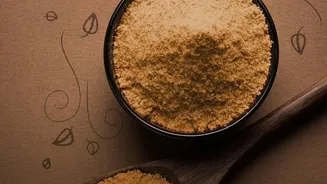
Creating your own seed powder is incredibly simple. You can use a single type of seed or create a blend for a wider range of nutrients. For seeds like flax, pumpkin, or sesame, lightly toasting them in a dry pan over low heat for 3-5 minutes can enhance their nutty flavour. However, roasting isn't a necessary step. Once the seeds are completely cool, transfer them to a dry grinder jar (like a coffee or spice grinder). Use short pulses to grind them into a fine powder. Be careful not to over-grind, as the heat and friction can turn the seeds into a paste or butter. For best results, make small batches and store the powder in an airtight container in the refrigerator to maintain freshness.
Adding Powder to Fermented Batters
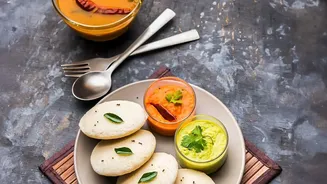
For traditional fermented batters like those for idli and dosa, the process is straightforward. A good starting point is to add 1-2 tablespoons of seed powder for every cup of rice used in your batter recipe. The best time to add the powder is after the dal and rice have been ground but before you set the batter aside for fermentation. Simply stir the powder in thoroughly. Some seeds, like fenugreek, are already traditionally added to idli-dosa batter to aid fermentation and add flavour. Adding other seed powders generally doesn't interfere with the fermentation process, but it might make the batter slightly thicker. You can adjust with a little water if needed.
Stirring into Instant Batters
Incorporating seed powders into non-fermented batters for dishes like besan chilla, moong dal cheela (pesarattu), or ragi pancakes is even easier. Since there's no fermentation to consider, you can simply mix the seed powder directly into the batter along with your other spices and ingredients. For every cup of flour (like besan or moong dal), start with 1-2 tablespoons of your seed powder. Whisk it in thoroughly to ensure there are no lumps. This is a fantastic way to boost the protein in these already protein-conscious breakfast options.
A Note on Taste and Texture
Adding seed powders will subtly alter the taste and texture of your final product. Most seeds add a mild, nutty flavour that complements savoury batters well. The powder can make the batter slightly denser, which might result in softer idlis rather than extremely fluffy ones, or cheelas that are a bit more filling. The colour may also change slightly, often becoming a shade darker. If you are new to this, start with a smaller amount, like one tablespoon per batch, and see how you like the result. You can gradually increase the quantity as you get used to the new taste and texture.