

The Long Shadow at Number Three
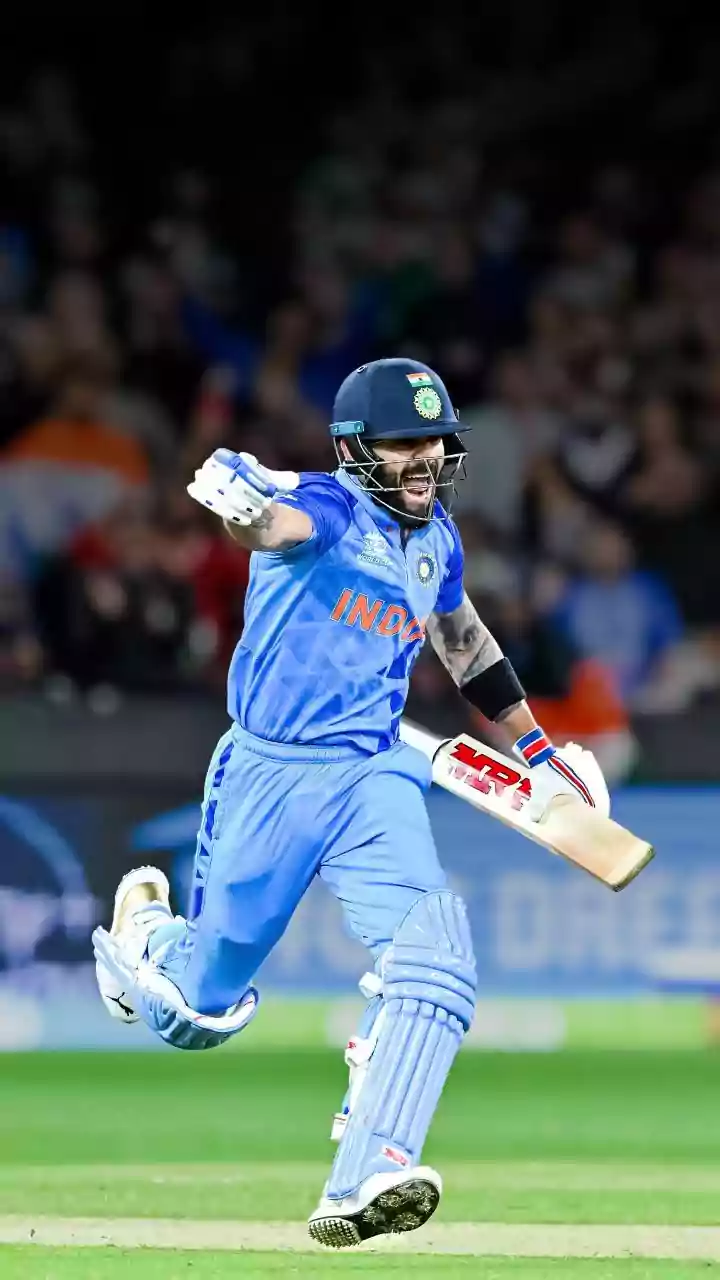
The ghost of Rahul Dravid, and more recently Cheteshwar Pujara, has loomed large over Indian cricket. For over two decades, the No. 3 spot was a fortress, manned by batsmen who defined resilience and grit. Since Pujara’s final Test in mid-2023, however,
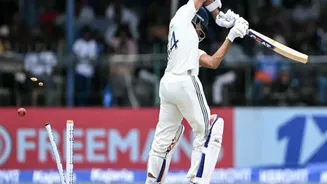
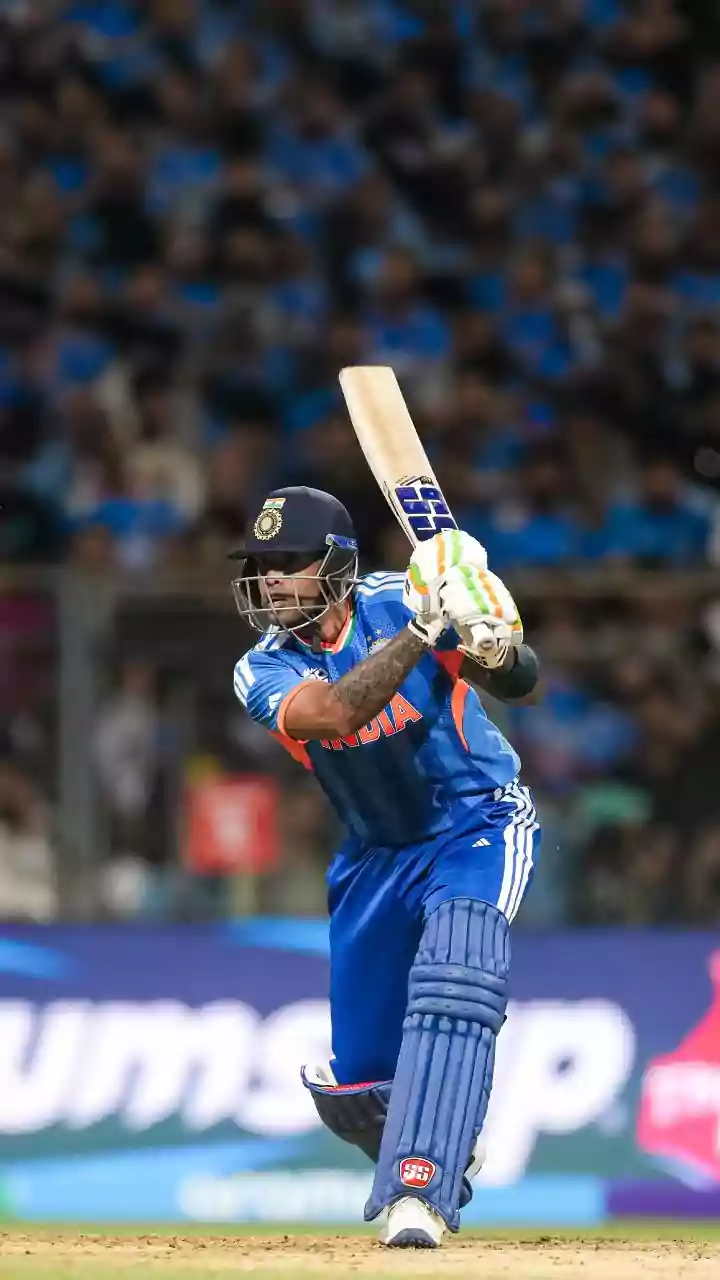
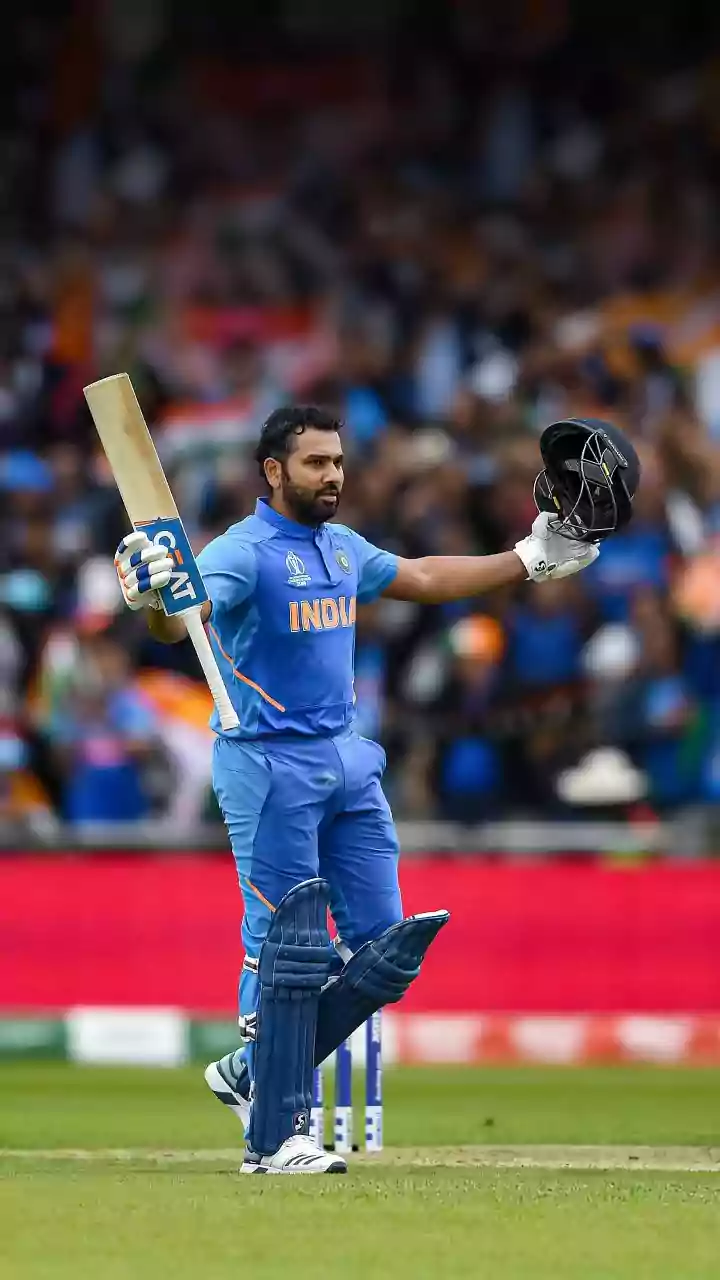
it has become a seat of instability. As many as seven different players have been tried in the position, from Shubman Gill to Sai Sudharsan, each unable to make the spot their own. This constant shuffling at a pivotal position has had a ripple effect, often destabilizing the batting order and forcing compromises in team selection. The search wasn’t just for a player who could score runs; it was for an anchor who could absorb pressure, blunt the new ball, and lay a foundation for the middle order—a role that is as much about temperament as it is about technique.
An Answer Arrives from the Wings
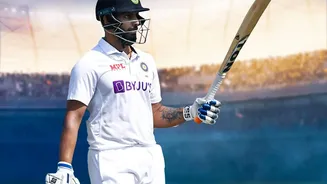
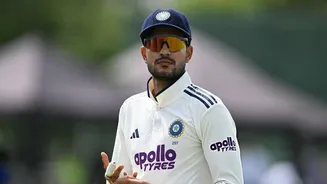
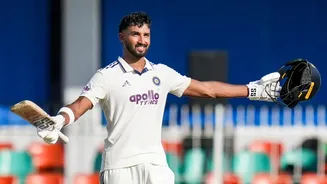
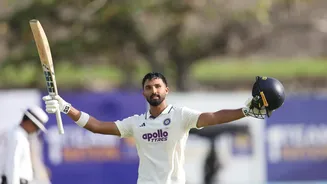
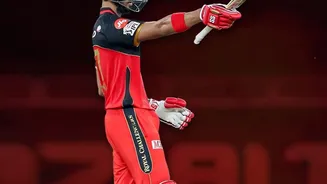
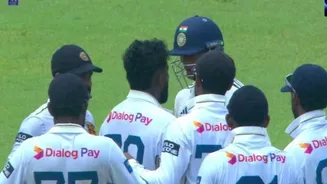
Devdutt Padikkal wasn’t even the first-choice No. 3 for the Sri Lanka series. He was drafted into the squad as an injury replacement for Sai Sudharsan, who was ruled out with a stress fracture. Yet, opportunity met preparation in spectacular fashion. In the first Test at Galle, Padikkal announced his arrival with a commanding 167. He followed it up with another century in the second Test in Colombo, scoring a resilient 117. With these back-to-back hundreds, he became the first Indian No. 3 to score consecutive away Test centuries since Cheteshwar Pujara did so in the 2018-19 season. Suddenly, an injury-enforced change had produced the most compelling candidate yet to end India’s long and frustrating search.
Technique Forged in Hardship
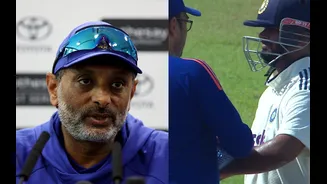
This success wasn't accidental. It was born from resilience. A few years ago, critics had questioned Padikkal’s technique against top-tier pace and bounce. Moreover, he battled a severe stomach ailment between 2021 and 2023 that saw him lose significant weight and kept him on the sidelines. Rather than breaking him, these challenges forced a rebuild. Padikkal went back to the drawing board, working tirelessly at the National Cricket Academy. Batting coach Sitanshu Kotak highlighted the specific focus on improving his back-foot game, which allows him to counter spinners on turning tracks and put pressure back on the bowlers. This refined technique, combined with a newfound hunger for big scores, was on full display in Sri Lanka, where he handled both pace and spin with an authority that belied his experience.
The Mentality of a True No. 3
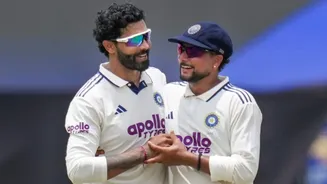
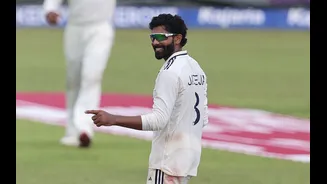
Scoring runs is one thing; scoring them when it matters is another. In both Tests, Padikkal demonstrated a calm and composure that defines the best one-down batsmen. His innings in Colombo was particularly telling. He survived two dropped catches before he had even scored two runs, a shaky start that could have rattled a less-focused player. Instead, he buckled down, spent nearly five hours at the crease, and built crucial partnerships, first with captain Shubman Gill and then with Ravindra Jadeja. Captain Gill himself praised not just the runs, but Padikkal's ability to convert a start into a match-defining score, noting that turning a hundred into 167 in the first Test moved India from a competitive position to a dominant one. This ability to absorb early setbacks and still build a monumental innings is the hallmark of a player built for the long haul.