


The Golden Season: Why Visit in Autumn?
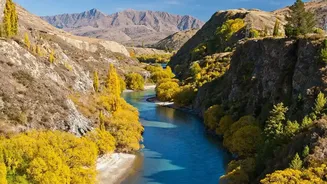
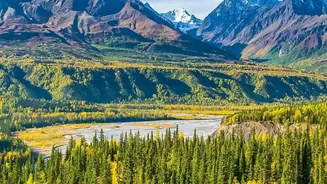
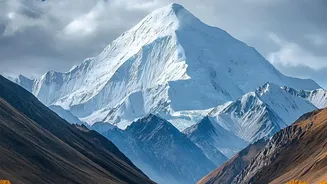
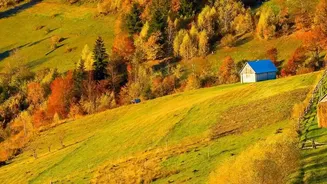
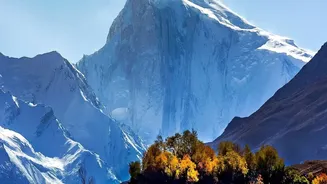
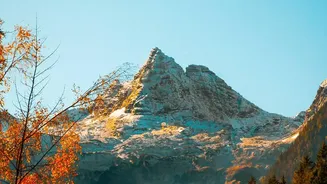
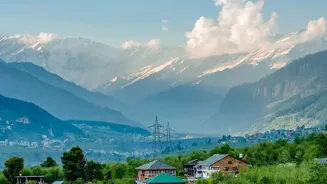
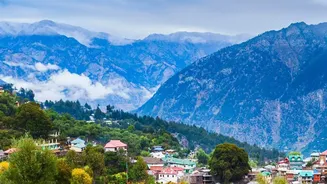
While summer draws the biggest crowds to Himachal, the post-monsoon season from late September to November is arguably the most magical time to visit. The rains wash the landscape clean, leaving behind lush greenery, clear blue skies, and unparalleled
visibility of the snow-capped peaks. The weather is comfortably cool and perfect for outdoor activities like trekking and village walks, without the biting cold of winter or the humidity of monsoon. This period offers a quieter, more intimate experience, allowing you to soak in the tranquillity of the mountains before the winter snow arrives. It's the ideal window for photography, leisurely drives, and simply enjoying the crisp mountain air.
Shoja: A Quiet Hamlet Above the Clouds
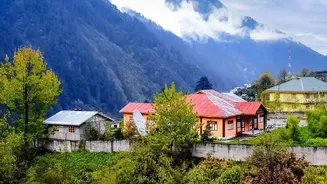
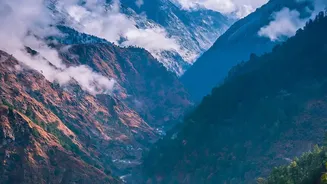
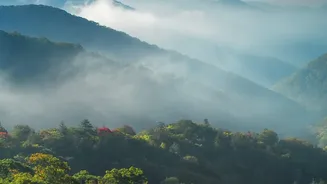
Perched at an altitude of over 8,800 feet, Shoja is a small, serene village that feels a world away from the commercial buzz of mainstream destinations. Quieter than its neighbour Jibhi, Shoja is for travellers seeking genuine peace and slow travel. The village is surrounded by dense deodar and oak forests, offering endless opportunities for walks. Its main draw is its proximity to the stunning Jalori Pass, located just five kilometres away. From the pass, you can embark on two popular day treks: one to the mystical Serolsar Lake, a pristine body of water surrounded by thick woods, and the other to the ruins of Raghupur Fort, which offers breathtaking panoramic views of the Himalayas.
Tirthan Valley: The Great Himalayan National Park's Backyard
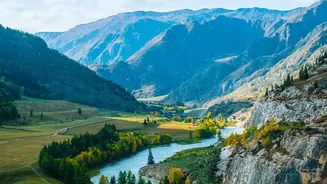
Designated as a gateway to the Great Himalayan National Park, a UNESCO World Heritage Site, Tirthan Valley is an eco-tourism hub that has managed to preserve its raw beauty. The valley is defined by the crystal-clear Tirthan River, which is famous for its trout population, making it a paradise for anglers. Unlike other Himachali destinations, Tirthan focuses on sustainable tourism, with numerous homestays and guesthouses run by locals. Key villages like Gushaini and Banjar serve as excellent bases for exploring the area. Activities here are centred around nature, including river crossing, trekking to hidden waterfalls like Chhoie Waterfall, and exploring traditional villages.
Finding Your Offbeat Stay
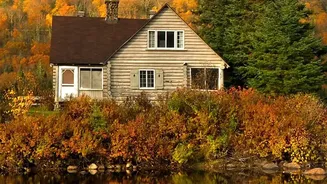
The charm of a trip to Shoja and Tirthan lies in the accommodation, which shuns large, impersonal hotels in favour of authentic, intimate experiences. The region is dotted with traditional homestays where you can experience warm Himachali hospitality and savour local cuisine like Siddu and Madra. You'll find rustic wooden cottages with stunning mountain views, riverside camps in Gushaini, and boutique guesthouses that blend comfort with local architecture. These stays are not just a place to sleep; they are an integral part of the journey, offering a chance to connect with the local culture and live a slower, more mindful pace of life. Options range from budget-friendly backpacker hostels to luxurious cottages, ensuring there is something for every type of traveller.