






An Unusually Intense Heat Spell
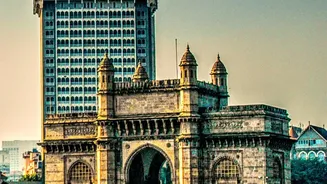
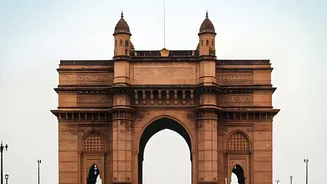
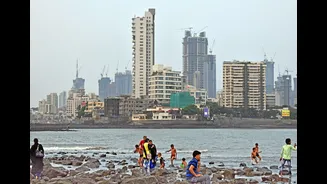
The India Meteorological Department (IMD) has issued a yellow alert for 'hot and humid conditions' in Mumbai and surrounding areas from October 14 to 16. This comes after the city experienced some of its hottest October days in over a decade earlier this
week. On Monday, October 13, the Santacruz observatory recorded a maximum temperature of 38.2 degrees Celsius, followed by 38 degrees on Tuesday. An IMD official noted that while short spells of high temperatures are normal, a continuous stretch of six to seven days with temperatures above 37 degrees is 'unusually oppressive for Mumbai'. This prolonged heatwave has prompted warnings from health officials and is causing a noticeable increase in heat-related illnesses.
What is 'October Heat'?
The phenomenon known as 'October Heat' is a transitional weather pattern that occurs after the southwest monsoon withdraws. During the monsoon, heavy cloud cover and moisture-laden westerly winds from the Arabian Sea keep temperatures in check. When the monsoon retreats, the skies clear, leading to more direct and intense sunlight. Simultaneously, wind patterns shift, often becoming dry, easterly winds that suppress the cooling sea breeze that usually provides relief to the coastal city. This combination of clear skies, high solar radiation, and a weakened sea breeze, all while humidity remains high from ground moisture left by the rains, causes a sharp and uncomfortable spike in 'feels like' temperatures.
The Severe Health Risks
The combination of high heat and high humidity is a dangerous mix. Humidity makes it harder for the body to cool itself through sweating, leading to greater heat stress. Doctors in Mumbai are reporting a rise in patients with symptoms of dehydration, heat exhaustion, and heatstroke. Symptoms of heat exhaustion include dizziness, headache, nausea, heavy sweating, and weakness. If not addressed by moving to a cool place and rehydrating, it can progress to heatstroke—a life-threatening medical emergency. Heatstroke is marked by confusion, a very high body temperature, hot skin that may not be sweating, a rapid heartbeat, and potential loss of consciousness. Officials warn that the elderly, children, and people with pre-existing conditions like asthma or heart disease are particularly vulnerable.
Expert Advice: How to Stay Safe
Health authorities have issued clear guidelines to help residents cope with the heat. The primary advice is to stay hydrated by drinking plenty of water, even before you feel thirsty. It's also recommended to avoid strenuous outdoor activity during the peak heat hours, typically between 11 a.m. and 4 p.m. Wearing light-coloured, loose-fitting cotton clothing can help your body stay cooler. If you must be outdoors, use an umbrella or hat for shade and take frequent breaks. Diets should include water-rich foods like fruits and vegetables, while avoiding dehydrating beverages like excessive tea, coffee, and alcohol.
Recognizing a Medical Emergency
It is crucial to know the difference between heat exhaustion and the more severe heatstroke. If someone shows signs of heat exhaustion, they should be moved to a cool place immediately and given fluids. However, if a person appears confused, has a very high body temperature, loses consciousness, or has a seizure, it should be treated as a medical emergency. In such cases, emergency services should be called immediately. While waiting for help, move the person to a cool, shaded area, remove excess clothing, and try to cool them down with wet cloths or fanning. Do not give fluids to someone who is confused or unconscious.