







More Than Just Pretty Parks
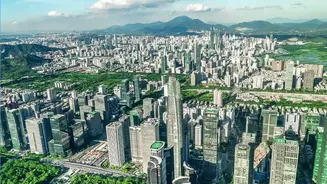
On the surface, the mission to make Indian cities greener seems undeniably positive. Initiatives like the national Nagar Van Yojana aim to increase tree cover, while cities work to develop parks and green belts. The benefits are well-documented: trees
and vegetation cool scorching urban heat islands, filter polluted air, absorb stormwater to reduce flooding, and provide crucial spaces for recreation and mental well-being. Yet, urban expansion often comes into direct conflict with these goals, with green spaces frequently being the first targets for new construction due to high land values. This tension reveals a deeper truth: the creation and preservation of green space is not just an environmental issue. It is a social and economic battleground where the fundamental question is about who has the right to the city and its resources.
The Shadow of 'Green Gentrification'
When a neglected area is improved with a new park or greenway, it becomes a more desirable place to live. This can trigger a phenomenon known as 'green gentrification'. As the neighbourhood's appeal grows, so do property values and rents. While this benefits homeowners, it can inadvertently push out lower-income residents and small businesses who can no longer afford to live there. Wealthier newcomers, attracted by the new green amenities, move in, changing the area's social fabric. This dynamic means that the very people who may have endured years of environmental neglect are displaced just as their surroundings improve. The result is that the environmental benefits — cleaner air, cooler temperatures, recreational space — are ultimately enjoyed by a different, more affluent population. The original community is left to find housing in other, often less green, parts of the city.
Whose Space Is It Anyway?
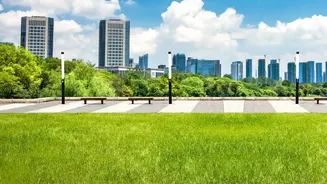
The debate also extends to the design and use of these spaces. Who are they being designed for? A manicured lawn with strict 'keep off the grass' signs serves a different purpose than a multi-use ground that can accommodate cricket games, community festivals, and street vendors. Planning often occurs without meaningful community consultation, leading to spaces that feel alienating to existing residents. In India, urban planning is often carried out by bureaucratic state-level agencies rather than elected local governments, a legacy of colonial-era governance that detached planning from local politics. This top-down approach can overlook the actual needs and cultural practices of a neighbourhood, favouring aesthetics that appeal to a wealthier demographic over functionality for the masses. The conflict over Mumbai's Sanjay Gandhi National Park, where the needs of residents, conservation, and development clash, is a stark example of how contested these spaces can be.
An Uneven Distribution of Green
The problem isn't just about who gets displaced, but also about the existing inequality in access to nature. Studies across major Indian cities like Delhi, Mumbai, and Bangalore show significant disparities in the availability and quality of green spaces, linked directly to socio-economic status. Wealthier neighbourhoods tend to have more and better-maintained parks, while lower-income areas are often starved of green cover. This unequal distribution means that the communities most vulnerable to the effects of pollution and urban heat are the ones with the least access to nature's remedies. Government initiatives like the Smart Cities Mission have been criticised for focusing on concentrated Area-Based Development (ABD) projects, creating pockets of high-tech, green infrastructure while neglecting surrounding areas, potentially deepening these urban divides.
A Path to Greener, Fairer Cities
The solution isn't to stop creating green spaces, but to integrate social equity into the heart of urban planning. This requires a shift from simply counting trees to designing landscapes that serve existing communities. Meaningful public participation must be more than a box-ticking exercise; it must give local residents a powerful voice in the planning and management of their neighbourhoods. Policy interventions are crucial. These could include inclusionary zoning laws that mandate affordable housing in newly greened areas, protections for street vendors, and community land trusts that give residents collective ownership of property. The goal should be to improve neighbourhoods without displacing the people who live there. As India continues its massive urban awakening, building greener cities is essential, but ensuring they are equitable and just is the greater challenge.