




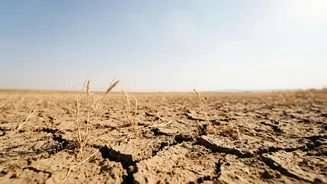
Why September Rains Are So Crucial
The southwest monsoon, which provides over 70% of India's annual rainfall, is the lifeline for the country's agriculture. While the season runs from June to September, the final month is far from a gentle exit. These late-stage rains are critical for the health
of standing kharif (summer) crops. For crops like rice, pulses, and oilseeds, September is the crucial grain-filling or pod development stage. A lack of rainfall during this period can severely stunt growth, directly reducing the weight and quality of the final yield. Furthermore, September showers are vital for replenishing soil moisture, which is essential for the upcoming rabi (winter) crop sowing season. A dry end to the monsoon can therefore have a double impact, hurting the current harvest and jeopardising the next.
An Erratic 2026 Monsoon Season
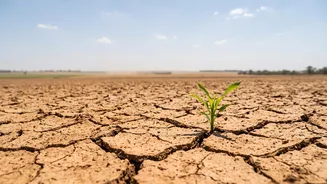
This year's monsoon has been a rollercoaster. After a sharply deficient June, July brought a brief recovery. However, August slipped back into a deficit, and was also the warmest August recorded in India since 1901. The India Meteorological Department (IMD) has now forecast that September rainfall is likely to be below normal, at less than 91% of the long-period average. This forecast is attributed largely to strengthening El Niño conditions in the Pacific Ocean, a phenomenon historically linked to weaker monsoons in India. The result is a cumulative rainfall deficit across the country, with key agricultural belts facing significant moisture stress.
Which Crops and Regions Are Most at Risk?
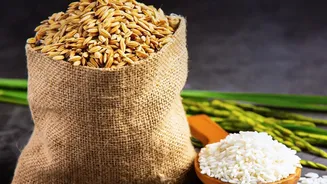
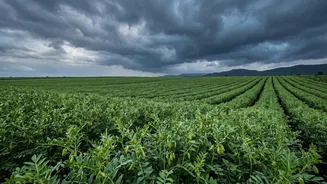
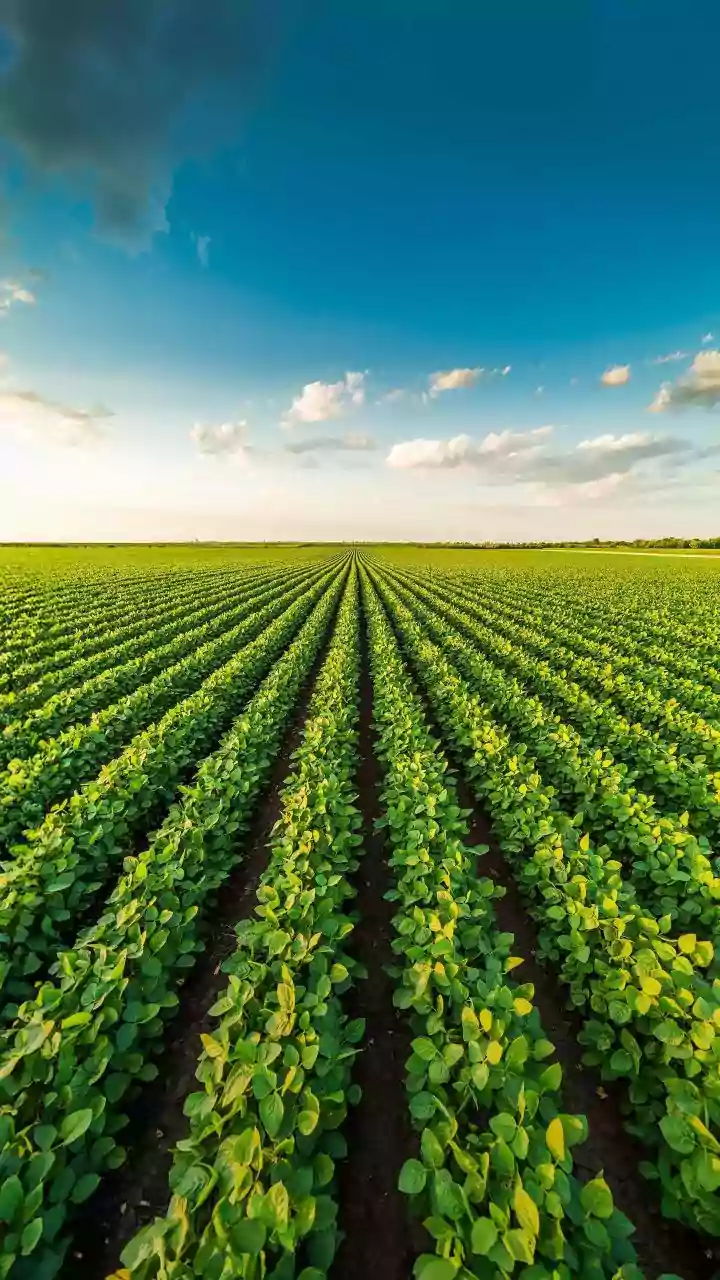
A weak September poses a direct threat to several key staples. Rice, India's principal kharif crop, is particularly vulnerable, especially in rain-fed areas that lack extensive irrigation. Pulses and oilseeds like soybeans also depend heavily on late-season moisture for yield. Cotton, another important cash crop, needs water during its boll development phase in September to ensure good quality fibre. Even more drought-tolerant coarse cereals like maize, jowar, and bajra face yield losses without adequate rain. Geographically, the impact is uneven. While some parts of the northeast and northwest may see normal rain, deficits are a major concern in key rice-growing areas in the east and north, as well as the sugarcane and soybean belts in the west and south.
The Ripple Effect on Food Inflation
Lower crop production inevitably leads to tighter supplies, which in turn puts upward pressure on prices. With food inflation already a concern—rising to 5.52% in July 2026—a poor kharif harvest could exacerbate the situation. Experts warn that a September moisture deficit could directly impact the prices of essentials like rice, pulses, and vegetables. This not only affects household budgets but also poses a challenge for the Reserve Bank of India, which monitors inflation closely. Reduced agricultural output also means lower incomes for millions of farmers, which can dampen rural demand for other goods and services, slowing broader economic activity.
Government and RBI on High Alert
Policymakers are watching the situation closely. A significant shortfall in crop production could prompt the government to take measures to control prices and ensure availability, such as adjusting import duties or releasing stocks from reserves. The government has already allowed duty-free sugar imports for the first time in nearly a decade to ease a domestic shortage. For the Reserve Bank of India, the threat of rising food inflation is a key variable in its monetary policy decisions. While analysts note that comfortable levels of public foodgrain stocks could partly mitigate the impact, the uncertainty around the final harvest remains a significant risk for the economy. The coming weeks will be critical in determining the final outcome of the monsoon and its far-reaching consequences.