





The Most Important Number in Coffee
Before you worry about water temperature or grind size, the most critical variable you can control is the coffee-to-water ratio. This determines the strength and extraction of your brew. Using too much water results in a weak, thin, or even sour cup because
there isn't enough coffee to properly flavour it. Too little water can lead to a brew that is overly concentrated, harsh, and bitter. By mastering the ratio, you create a reliable foundation, ensuring every other adjustment you make—like changing the grind—is a deliberate choice rather than a random guess. A consistent ratio is the key to making good cups repeatable.
Your New Best Friend: The Kitchen Scale
If you want to transform your coffee routine, the single best investment is a simple digital kitchen scale. Measuring coffee by volume, using scoops or tablespoons, is notoriously inconsistent. Factors like bean density, roast level, and grind size mean that one scoop of a dark, coarse roast can weigh significantly less than a scoop of a light, fine grind. This variation can be as high as 25-30%, which is more than enough to ruin a cup before you’ve even started brewing. Measuring by weight in grams removes all guesswork. Fifteen grams is always fifteen grams, giving you the power to replicate your perfect brew day after day.
Finding Your Golden Ratio
The Specialty Coffee Association (SCA) suggests a 'Golden Ratio' of approximately 1:18, which means 1 gram of coffee for every 18 grams (or millilitres) of water. However, most coffee professionals and enthusiasts treat this as a starting point, not a strict rule. A more common and practical range for many brewing methods falls between 1:15 and 1:17. Think of these numbers as a guide. A lower number (like 1:15) means less water per gram of coffee, resulting in a stronger, bolder cup. A higher number (like 1:17) means more water, producing a lighter, more delicate brew.
Starting Ratios for Popular Brewers
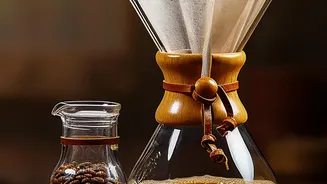
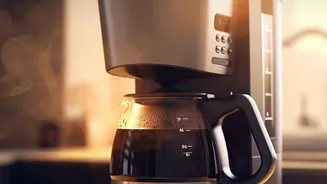
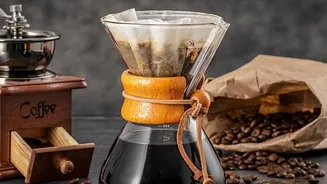
While you should always adjust to your personal taste, different brewing methods have different ideal starting points because they extract flavour in unique ways. Here are some widely accepted ratios: - Automatic Drip Machines: Start with a ratio between 1:16 and 1:17. For a standard 1-litre pot, this is about 60 grams of coffee. - Pour-Over (V60, Chemex): A 1:16 ratio is a fantastic all-around starting point. It balances clarity and body. For a single 12-ounce cup (about 350g of water), you would use about 22 grams of coffee. - French Press: Because this is a full-immersion method that produces a heavier body, a slightly stronger ratio is often preferred. Aim for 1:15, though some go as low as 1:12 for a very robust cup. - AeroPress: This versatile brewer works well with ratios from 1:12 to 1:16 for a standard cup. It also excels at making strong concentrates (like 1:6) that are then diluted with hot water. - Cold Brew Concentrate: This requires a much stronger ratio, typically between 1:4 and 1:8, because the cold water extracts flavour much more slowly. The resulting concentrate is then diluted with water or milk to taste.
How to Adjust and Experiment
Once you have your scale and a starting ratio, the fun begins. Brew a cup using a baseline like 1:16. If it tastes weak or sour, try a finer grind first before changing the ratio. If it's still not right, make it stronger by moving to 1:15. If your coffee tastes bitter, try a coarser grind. If that doesn't fix it, make it milder by moving to a 1:17 ratio. The key is to only change one variable at a time. Keep your ratio consistent while you dial in the grind size. Once the flavour is balanced but you want it stronger or weaker, then you can adjust the ratio. This methodical approach will teach you how to create the exact cup you want, every single time.