




Know What's in the Sky
August 2026 is a busy month for cosmic events. While the peak of the spectacular Perseid meteor shower was around August 12-13, the shower remains active until about August 24, so you can still catch stray shooting stars. Look for them after midnight
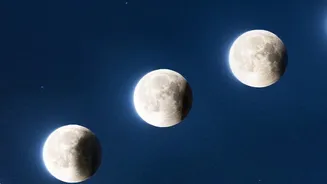
for your best chance. This month also features a parade of planets. In the pre-dawn hours, you might spot bright Jupiter, Mars, and Saturn. Venus will be a brilliant 'Evening Star' in the western sky just after sunset around August 15. Towards the end of the month, on August 28, a Full Moon will rise, which is traditionally known as the Sturgeon Moon. That same night, a partial lunar eclipse will be visible from Europe and Africa, but unfortunately not India.
Choose the Right Location
The single most important factor for good stargazing is a dark sky, far from city lights. Light pollution washes out all but the brightest stars and planets. For residents of India, this often means heading to remote areas. High-altitude deserts like those in Ladakh and Spiti Valley offer some of the clearest skies in the world and are considered prime destinations. The Hanle Dark Sky Reserve in Ladakh is a particularly excellent choice. Other great options include the Rann of Kutch in Gujarat, parts of the Rajasthan desert like Jaisalmer, and various hill stations in the Himalayas and Western Ghats. Even if you can’t travel far, look for a local park, a rural area, or any spot with an open view away from direct streetlights and buildings.
Pack the Essentials
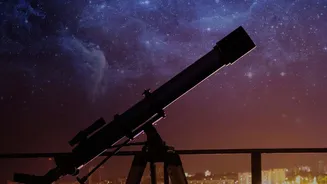
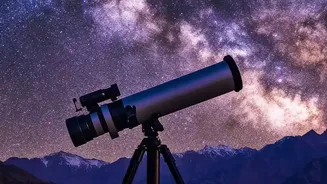
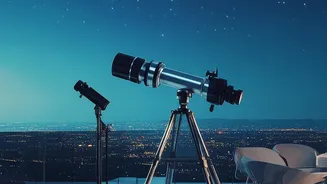
You don’t need expensive equipment to enjoy the night sky. The most important tool is your own eyes. However, a few items can make your experience more comfortable and rewarding. Start with a blanket or a comfortable chair to lie back on. Pack warm clothing, as even summer nights can get chilly, especially at higher altitudes. Bring along some snacks and a flask of a warm beverage. While a telescope is a major investment, a simple pair of binoculars can dramatically enhance your view, revealing the craters on the Moon, the moons of Jupiter, or the dense star fields of the Milky Way. Consider downloading a stargazing app like Star Walk 2 or using an online sky map to help you identify what you're seeing.
Give Your Eyes Time to Adjust
Human eyes need time to adapt to the darkness to achieve their full night vision potential. This process, known as dark adaptation, can take at least 20 to 30 minutes. When you first step outside from a lit area, you'll see very few stars. Be patient. Avoid looking at bright lights, especially your phone screen. If you need to use a light, a red-light torch is ideal because it has the least impact on your night vision. Many stargazing apps have a 'night mode' that turns the interface red for this very reason. Once your eyes have adjusted, you will be astonished at how many more stars become visible.
Learn to Navigate the Stars
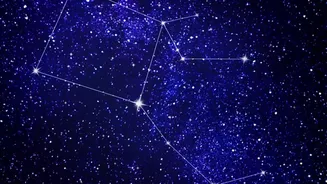
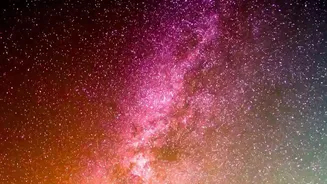
Finding constellations can seem daunting, but it’s easier than you think. Start by looking for prominent patterns. In the Northern Hemisphere during August, the 'Summer Triangle' is high overhead. It’s made of three bright stars—Vega, Deneb, and Altair—from three different constellations. Another famous pattern is Sagittarius, which looks like a teapot. The spout of the teapot points directly towards the heart of our Milky Way galaxy. If you're in a truly dark location, you'll see the Milky Way as a faint, milky band of light stretching across the sky. Don't worry about learning every star; just enjoy the patterns and the sheer scale of the cosmos.