







The Subtle Clues of Creeping Damp
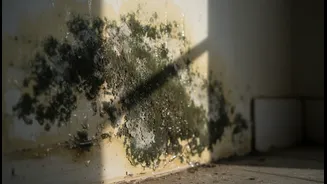
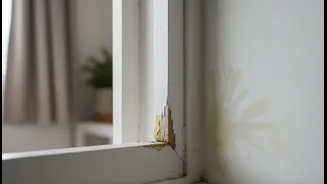
Damage from humidity rarely announces itself with a flood. Instead, it starts with small, easy-to-miss signals, especially around window frames and in the corners of walls where air circulation is poor. Keep an eye out for paint that is bubbling, peeling,
or flaking. You might also notice yellowish or brown stains, sometimes called 'tide marks', appearing on walls or ceilings. These are tell-tale signs that water is present where it shouldn't be. Another key indicator is texture. Gently press the wall in suspect areas; if it feels soft, spongy, or warped, moisture has likely soaked into the material. Lastly, trust your nose. A persistent musty or earthy smell that doesn't go away with cleaning often indicates mould or mildew growing behind the walls or under the flooring, long before you can see it.
Why You Shouldn't Ignore It
What seems like a minor cosmetic issue can quickly escalate into a serious problem. Persistent dampness doesn't just look bad; it compromises the structural integrity of your home. Plaster can crumble, and wooden window frames or structural beams can warp, swell, and eventually rot. Beyond the structural risks, a damp environment is a perfect breeding ground for mould. Mould spores can trigger allergic reactions, asthma attacks, and other respiratory problems, posing a significant health risk to you and your family, particularly children and the elderly. Addressing these issues early not only protects your family's health but also prevents minor repairs from turning into expensive, large-scale remediation projects that can significantly impact your finances and the value of your property.
Understanding the Causes
In India, the primary culprit during the rainy season is extreme humidity, where the air is saturated with moisture. This leads to condensation, where warm, moist indoor air meets colder surfaces like window panes and wall corners, forming water droplets. Another major issue is penetrating damp, caused by water leaking in from the outside. This is common around window frames where sealant has cracked or worn away over time, or through small cracks in the external walls. Finally, rising damp can occur on ground floors when moisture from the ground is absorbed up into the walls. Identifying the source is crucial, as the solution for condensation is different from that for a leak.
Your Action Plan for a Dry Home
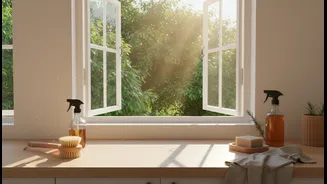
Controlling humidity is a battle you can win with a few strategic moves. First, improve ventilation. Whenever the weather permits, open windows and doors to create cross-ventilation, which helps move moist air out. Use exhaust fans in kitchens and bathrooms, especially after cooking or showering. For persistent humidity, a dehumidifier can be an excellent investment, particularly in coastal cities. You can also place moisture absorbers like silica gel packs or even bowls of salt in enclosed spaces like closets and cabinets to soak up excess moisture. Regularly inspect the exterior of your home. Check the sealant around window frames for cracks and seal any gaps you find. Ensure your roof and gutters are clear of debris to prevent water from overflowing and running down your walls.
DIY Fixes vs. Calling a Professional
Knowing when to tackle a problem yourself and when to call for help is key. You can safely handle minor issues. For example, small areas of surface mould can be cleaned with a fungicidal wash. Improving ventilation and using dehumidifiers are also effective DIY strategies for managing general dampness from condensation. However, if the damp patches reappear despite your efforts, if the wall feels soft or is bulging, or if you suspect a significant leak, it's time to call a professional. Experts have the tools to diagnose the root cause of the problem accurately, whether it's rising damp or a hidden structural leak, and can offer a long-term solution that a simple coat of paint can't fix.