
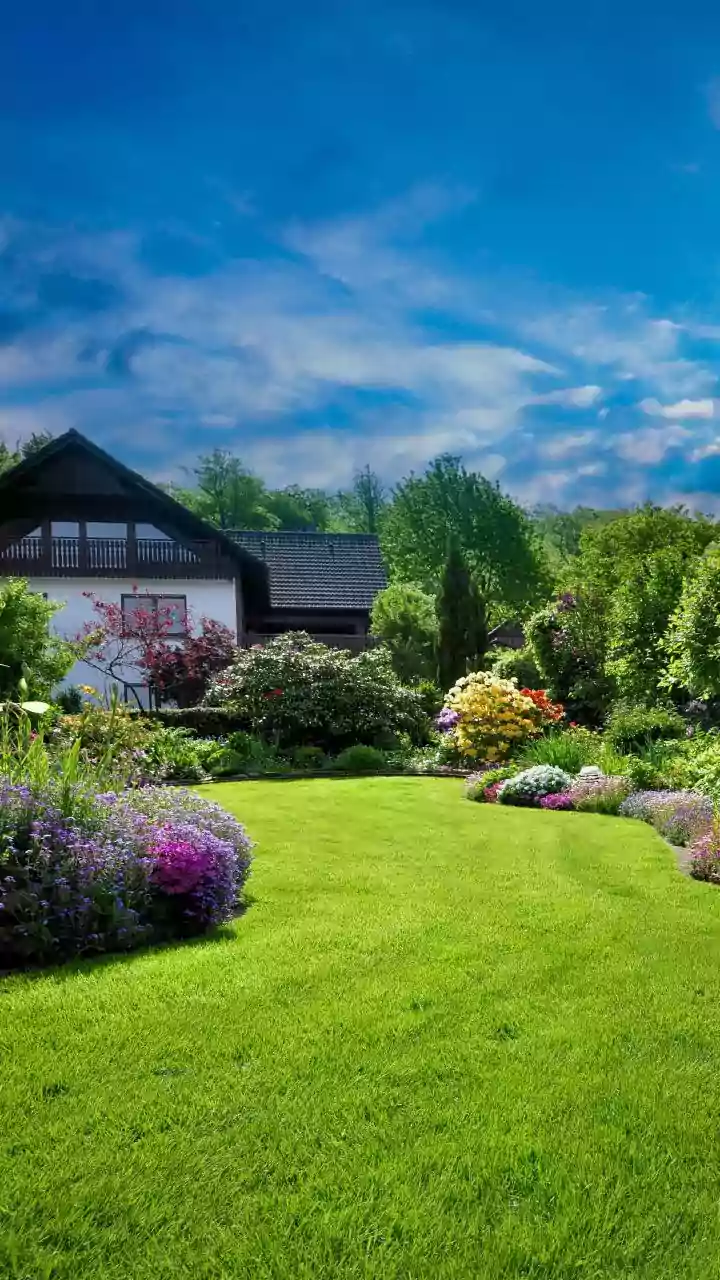
As cooler weather arrives across India, our gardens don’t have to fade. Cheerful pansies and vibrant petunias are the perfect remedy, offering months of stunning colour with surprisingly little effort. They are ideal for winter.
Why Pansies and Petunias?
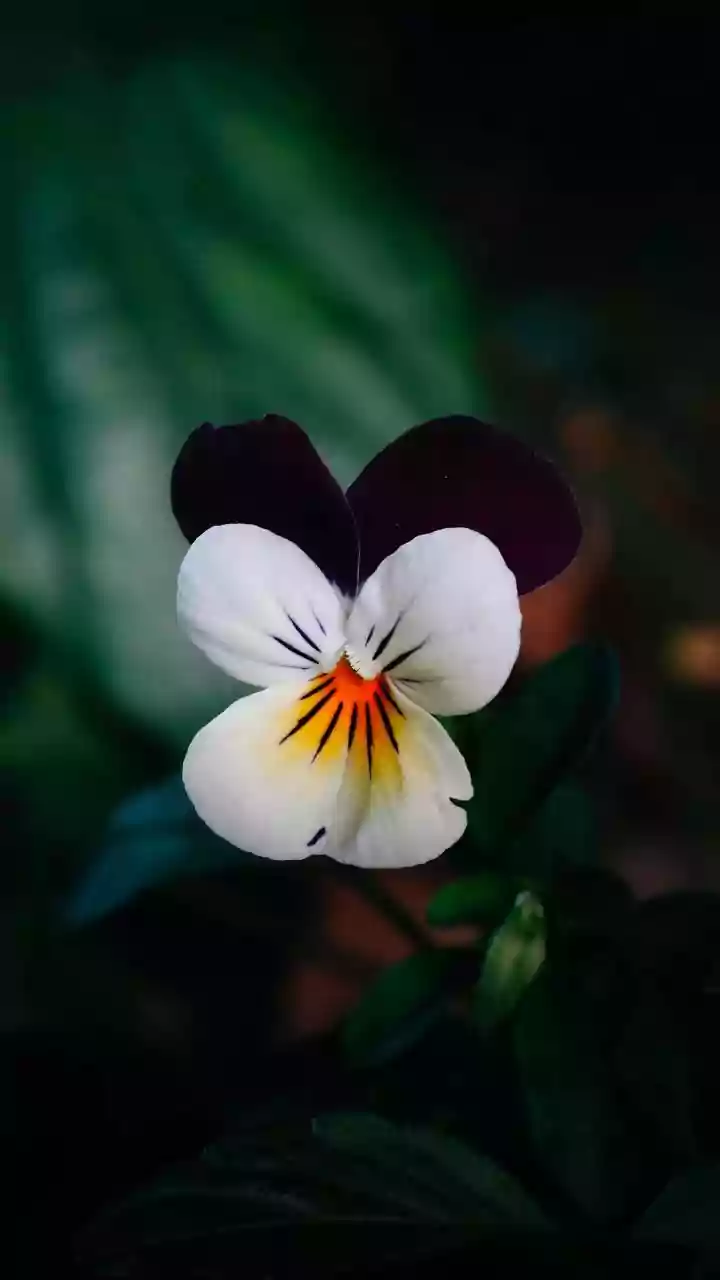
Pansies, with their velvety,
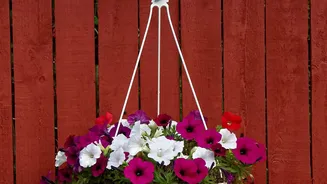
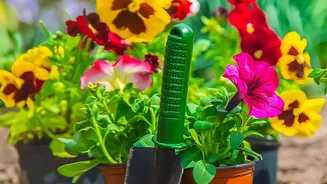
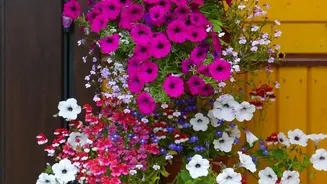
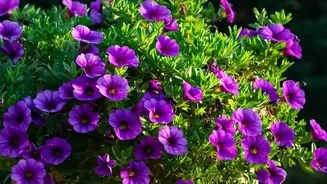
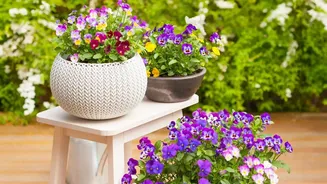
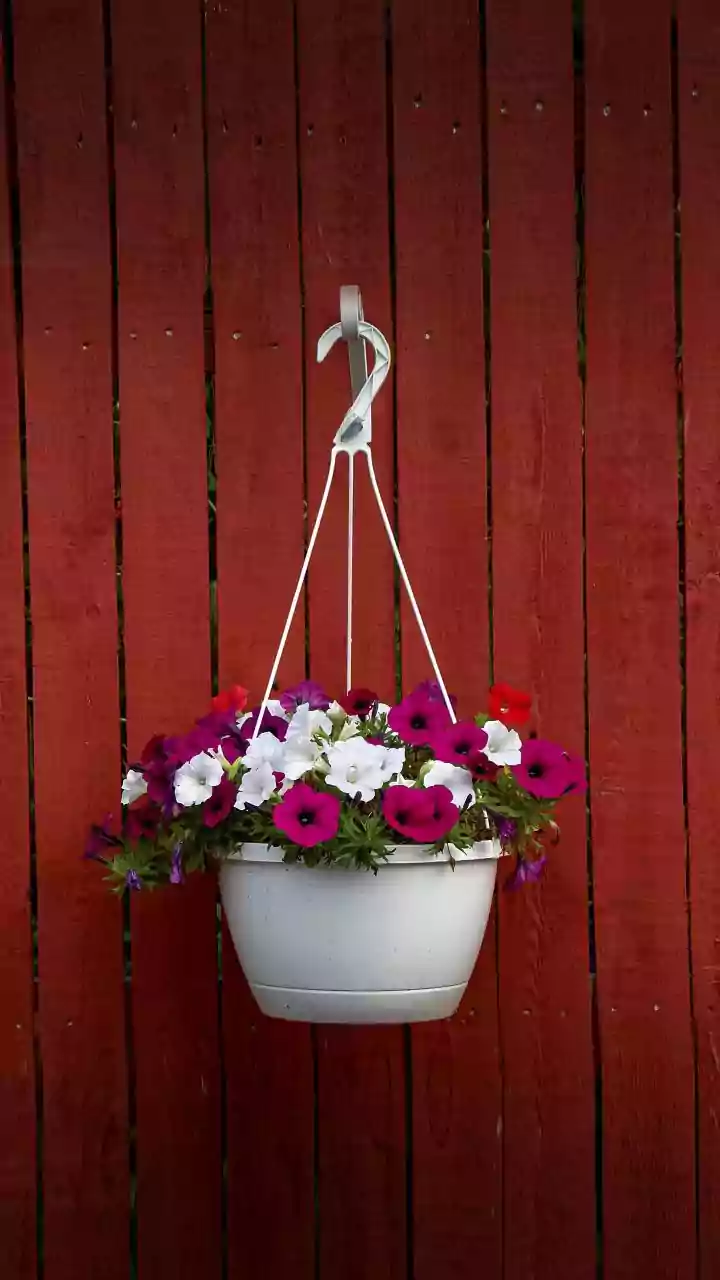
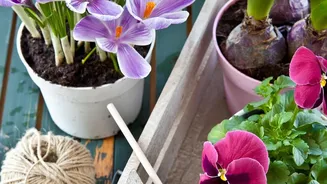
face-like blooms, and petunias, known for their trumpet-shaped flowers, are two of India's most popular winter annuals. Both thrive in the mild days and cool nights that define the season in most parts of the country. They are perfectly suited for small spaces, growing beautifully in pots, window boxes, and hanging baskets on a sunny balcony or terrace. Their compact size and long flowering period, which can last from December right through to March, make them an excellent choice for both beginner and experienced gardeners looking to add a splash of colour to their homes.
Getting the Timing Right
Success with winter flowers in India is all about timing. The best time to sow seeds for both pansies and petunias is when the intense summer heat has passed and the nights begin to cool. For most of North, Central, and West India, this window is between late September and November. In the milder climates of South India, you can start as late as December. If you've missed the sowing window, don't worry. Nurseries are filled with healthy seedlings in November and December that are ready to be planted directly into your pots.
Preparing the Perfect Home
Both pansies and petunias need well-draining soil to prevent root rot, a common issue in cooler weather when soil stays wet longer. A high-quality potting mix is crucial. You can create an excellent blend by mixing garden soil, cocopeat, and well-rotted compost or vermicompost in roughly equal parts. This combination holds enough moisture without becoming waterlogged. Ensure any container you use, whether it's a 6-inch pot for a single pansy or a larger trough for multiple petunias, has drainage holes at the bottom.
Sunlight and Watering Needs
Sunlight is the fuel for flowers. To get the most blooms, place your pansies and petunias in a spot that receives at least five to six hours of direct sunlight per day. An east or south-facing balcony is often ideal during the winter. When it comes to watering, the golden rule is to check the soil first. Water only when the top inch feels dry to the touch. Overwatering is a common mistake and can be more harmful than the cold itself. Always water in the morning at the base of the plant to allow the leaves to dry before nightfall, which helps prevent fungal diseases.
Encouraging More Flowers
To keep your plants producing a steady stream of flowers, a little maintenance goes a long way. The most important task is 'deadheading', which is simply pinching or cutting off faded flowers. This simple action prevents the plant from putting energy into producing seeds and instead redirects it into creating more blooms. For petunias, pinching the tips of the young plants can encourage them to grow bushier and produce more flowers. You can also feed your plants every few weeks with a balanced liquid fertilizer to support their flowering season.
Creative Planting Combinations
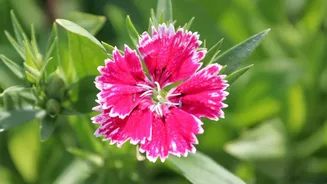
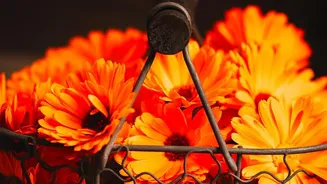
Pansies and petunias look wonderful planted together, as they share similar requirements for sun and soil. Consider combining different colours for a vibrant display. The upright, compact nature of pansies pairs well with the slightly trailing habit of some petunia varieties, especially in window boxes or larger containers. You can also mix them with other easy-to-grow winter annuals like calendula or dianthus for a varied and textured garden display.