





The Science of 'Whatever Works'
The headline isn't just wishful thinking; it reflects a growing consensus in health science. A number of recent meta-analyses and systematic reviews, which compile data from many studies, are pointing to a simple but powerful conclusion: the most effective
workout plan is the one you can adhere to. Adherence, or the ability to stick with a program, is driven far more by enjoyment, convenience, and personal preference than by forcing yourself into a theoretically 'optimal' but inconvenient time slot. When workouts feel relevant and manageable, people are far more likely to remain consistent. This consistency is the true engine of progress, whether your goal is to lose weight, build strength, or improve your mental health.
Morning Person or Night Owl?
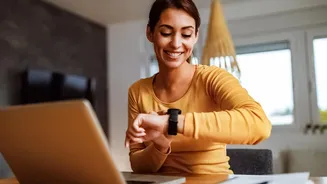
The debate over morning versus evening exercise is endless. Some studies suggest morning workouts are better for fat metabolism, while others show peak strength and performance can occur in the late afternoon. For example, one study found morning exercise in women reduced belly fat and blood pressure, while evening exercise increased upper body strength and improved mood. However, a 2023 meta-analysis concluded there is little overall evidence that one time of day is definitively better for health or performance outcomes for everyone. The key takeaway from the research is that while there might be minor physiological advantages to specific timings, they are often outweighed by the practical benefits of consistency. The best time to exercise is when you feel most energetic and when it reliably fits into your day without feeling like a stressful obligation.
Finding Your Fitness 'Why'
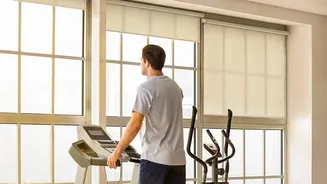
Personal preference goes beyond just timing; it's about the activity itself. Generic gym plans often fail because they don't account for individual enjoyment. If you dread running on a treadmill, you're unlikely to do it for long. A personalized approach, however, focuses on incorporating activities you genuinely like. This could be anything from dancing in your living room and weekend cricket with friends to joining a laughter yoga club in a local park or simply taking a brisk walk while listening to music. Research shows that engaging in physical activities you enjoy boosts confidence and self-efficacy, making you feel more in control and accomplished. This positive feedback loop is crucial for turning exercise from a chore into a sustainable and rewarding habit.
Designing a Flexible Routine
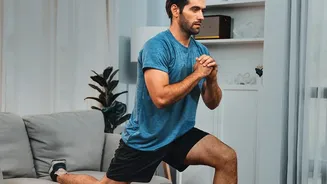
Building a routine around your life, not the other way around, is the practical application of this research. Start by identifying pockets of time in your day. You don't need an uninterrupted hour; 'exercise snacking' — short 10-15 minute bursts of activity — can be incredibly effective. A flexible workout plan allows you to adapt to life's unpredictability. If you have a demanding work schedule, maybe a short, high-intensity workout at home is best. If you have physical limitations or past injuries, a personalized plan can help you find safe and effective alternatives. The American Heart Association recommends at least 150 minutes of moderate-intensity activity per week, but emphasizes that it's best to spread this throughout the week. By being adaptable, you are more likely to stay on track without feeling overwhelmed or discouraged.
Listen to Your Body First
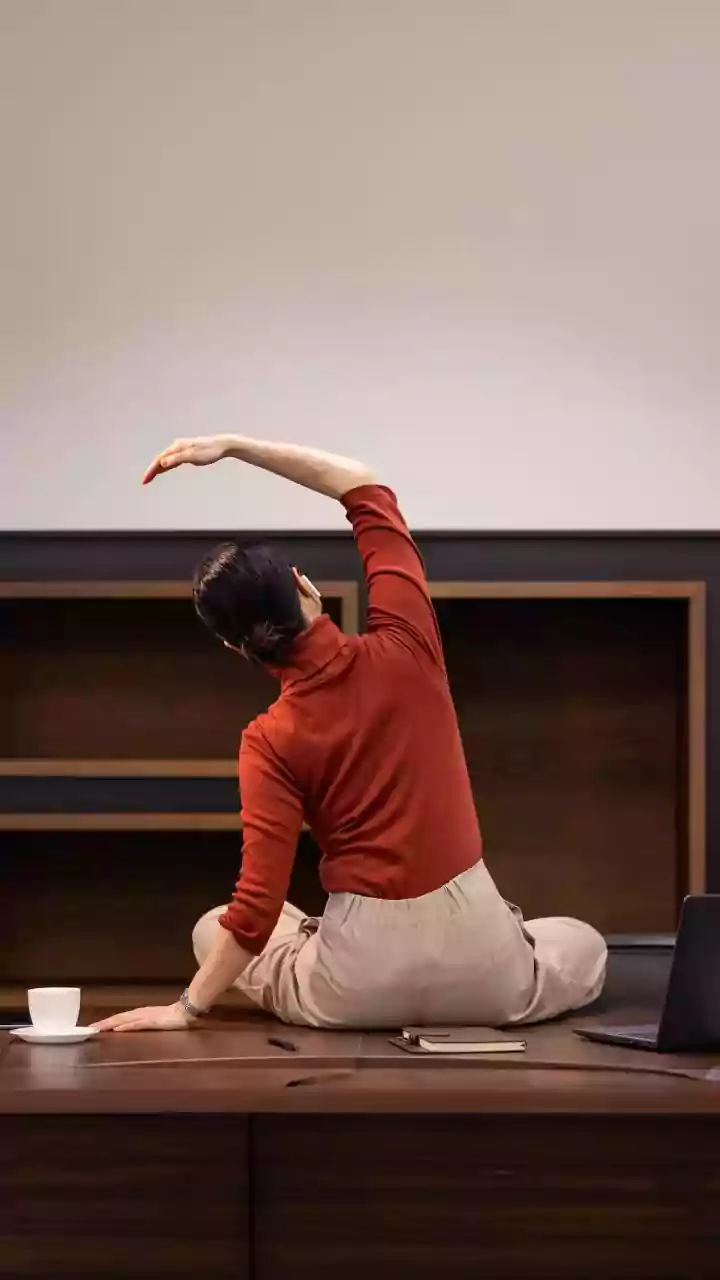
Ultimately, personalization means being in tune with your own body. On days when you feel energetic, you might push for a more intense workout. On days when you're tired or stressed, a gentle walk, stretching, or yoga might be more beneficial. A rigid plan doesn't account for these fluctuations. One of the main reasons people fall off their fitness plans is burnout or injury from doing too much, too soon. A flexible, preference-based approach allows for gradual progression that is tailored to your current fitness level, strengthening weaker areas and preventing overuse injuries. This ensures that your efforts translate into meaningful, lasting progress in a way that feels good both physically and mentally.