








The Urban Health Dilemma
Living a healthy life is about more than just personal choices. The concept of the “built environment”—the man-made spaces where we live, work, and relax—has a profound impact on our well-being. In India's rapidly expanding cities, this environment often
creates significant barriers to health. Crowded streets, poor air quality, constant noise, and a lack of safe public spaces are daily realities that shape everything from our stress levels to our physical activity. Studies show that mental health issues like depression and anxiety are more common in urban areas, directly linked to these environmental stressors. The design of our cities can either encourage a sedentary, high-stress lifestyle or promote activity and well-being.
The Daily Commute Is a Health Hazard
For many urban Indians, the simple act of walking is a high-risk activity. A huge portion of the population walks to work, yet our cities are built for cars, not people. Footpaths are often broken, encroached upon, or non-existent, forcing pedestrians to walk on dangerous roads. This lack of walkability not only discourages physical activity but also contributes to a high number of pedestrian fatalities, with cities like Delhi and Mumbai reporting that over half of all road traffic deaths are pedestrians. The reliance on motorised transport for even short trips worsens traffic congestion and exposes commuters to dangerously high levels of air and noise pollution, which are linked to respiratory illness, hypertension, and stress.
The Search for Green and Quiet
Access to green spaces like parks and gardens is crucial for both mental and physical health, offering a place for exercise, relaxation, and social connection. However, in many Indian cities, these spaces are scarce and inequitably distributed. A 2024 study in Bengaluru found that 19 of its 198 wards had no parks at all, with low-income areas being the most deprived. Even where parks exist, barriers like entry fees or restrictive timings can limit access, particularly for women and lower-income groups. Compounding this is the issue of noise pollution, which is often dangerously above recommended limits in Indian cities and contributes to sleep disruption, stress, and cardiovascular strain.
Navigating Urban Food Deserts
Healthy eating becomes a challenge when fresh, nutritious food is hard to find or afford. Many urban neighbourhoods, particularly slums and low-income areas, are 'food deserts' with an abundance of cheap, processed options but a scarcity of fresh produce. The distance to markets, coupled with the higher cost of healthy food, pushes many families towards less nutritious but more convenient alternatives. This contributes to a 'double burden' of malnutrition, where undernutrition and obesity exist side-by-side within the same communities, driven by unequal access to a healthy diet.
Building Cities That Care
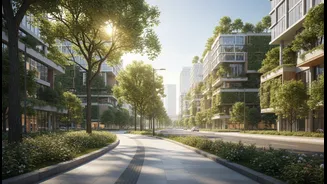
The picture is not entirely bleak. There is growing recognition that urban planning is a public health tool. India’s Smart Cities Mission has shown that multisectoral collaboration can improve the quality of life, with projects focused on creating public spaces, improving transport, and using technology for better health services. Initiatives like the 'Streets4People' campaign aim to create more pedestrian-friendly environments. The key is to integrate health considerations into every aspect of urban development, from building well-lit sidewalks and accessible parks to ensuring equitable access to healthy food and clean air. When we design cities for people, we make healthy choices the easy choices.