






What Are CAFE Norms?
Think of Corporate Average Fuel Economy (CAFE) norms as a report card for car manufacturers, but for fuel efficiency. Instead of grading each car model individually, these rules measure the average efficiency of a company's entire fleet of cars sold in a year.
This fleet-wide average is calculated based on the number of units sold of each model. This encourages automakers to balance their portfolio; a less efficient but popular SUV can be offset by selling more high-efficiency hatchbacks, hybrids, or electric vehicles. The goal is to push the whole industry towards lower fuel consumption and reduced carbon dioxide (CO2) emissions, which is different from BS-VI norms that target harmful pollutants like nitrogen oxides.
The Leap from CAFE-II to CAFE-III
The third phase of these norms, CAFE-III, will be implemented from April 1, 2027, and will get progressively stricter each year until March 2032. The new rules significantly tighten the limits on CO2 emissions. For a manufacturer with a fleet of a certain average weight, the target will drop from around 94.8 grams of CO2 per kilometre in fiscal year 2028 to about 78.9 g/km by 2032. This is a substantial reduction from the current CAFE-II limit of 113 g/km. The norms also adjust the way targets are calculated based on vehicle weight. While a controversial proposal to give special concessions to small, lightweight cars was dropped, the final formula provides a more balanced approach that gives some relief to lighter cars while demanding greater efficiency from heavier vehicles like SUVs.
What This Means for Car Prices
Meeting these tougher standards requires significant investment in new technology, and that cost will likely be passed on to the consumer. Industry estimates suggest that car prices could increase by anywhere from ₹20,000 to ₹1.25 lakh, depending on the model and the technology required. To comply, automakers will need to widely adopt features like idle start-stop systems, tyre pressure monitoring systems, and more efficient transmissions and air-conditioning units. Some of these features, currently found on higher-end models, will become more common across all segments. This price hike creates a short-term affordability challenge, especially for entry-level cars where buyers are most price-sensitive.
The Tech Revolution Under the Bonnet
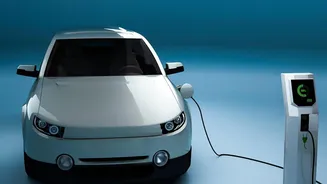
CAFE-III is designed to accelerate a major technological shift. The most significant push is towards electrification. The rules provide a "super credit" for clean vehicles; for compliance purposes, each battery electric vehicle (EV) sold will count as three vehicles, and strong hybrids will also receive substantial multipliers. This gives manufacturers a powerful incentive to sell more EVs and hybrids to bring their fleet average down. Beyond full electrification, the norms also encourage other green technologies. There are benefits for cars that can run on ethanol-blended petrol (E20 and above), flex-fuel, and CNG. Carmakers can also claim credits for incorporating up to 12 specific fuel-saving technologies, such as regenerative braking and LED lighting, making these features more likely to appear on future models.
Winners, Losers, and the Road Ahead
The new framework creates clear advantages for certain players. Manufacturers with a robust portfolio of EVs, strong hybrids, and CNG models, like Tata Motors and Mahindra, are well-positioned to adapt. Brands heavily reliant on traditional petrol and diesel SUVs will face greater pressure to innovate or risk penalties. If a manufacturer fails to meet its target, it can trade credits with a company that has over-performed or buy credits directly from the Bureau of Energy Efficiency (BEE) at a progressively increasing price. For the Indian car buyer, this means the choices in the showroom are about to get greener and more technologically advanced, but also a bit more expensive. The era of the simple, low-cost internal combustion engine is rapidly evolving as India drives towards a cleaner automotive future.