




The Resilient Favourite: Bhindi
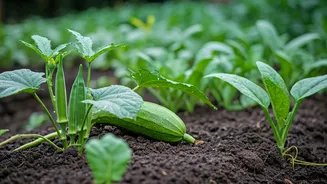
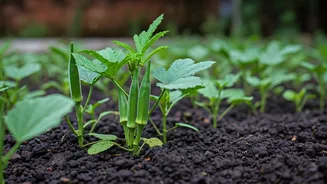
Bhindi, or okra, is a superstar of the monsoon garden. It loves the humidity and warmth that the season brings. This vegetable is relatively low-maintenance and can thrive even in medium-sized pots (around 10-12 inches). For a successful harvest, ensure
your pot has excellent drainage to prevent waterlogging at the roots. Plant 2-3 seeds per pot and thin to the strongest seedling once they sprout. You'll be rewarded with tender okra pods that are perfect for frying or adding to curries. A little bit of support from a small stake can help the plant stay upright as it grows.
Quick Wins: Spinach and Amaranth
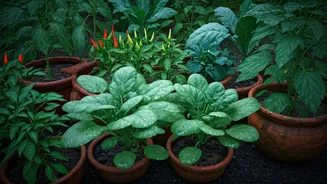
If you're looking for quick results, leafy greens are your best bet. Varieties like palak (spinach) and chaulai (amaranth) grow vigorously during the monsoon. They don't require deep pots; wide, shallow containers work wonderfully. You can start harvesting leaves in just a few weeks. The key is to sow seeds every 15-20 days for a continuous supply. These greens are prone to pests like leaf miners, so regularly inspect the undersides of leaves and use a simple neem oil spray as a preventive measure. The frequent rain means you might not have to water as often, but always check.
Spice Things Up: Green Chillies
No Indian kitchen is complete without a supply of fresh green chillies, and they are surprisingly easy to grow in pots. Chilli plants love the monsoon's warm, humid weather. A single, healthy plant in an 8-10 inch pot can provide you with chillies for months. They need at least 4-5 hours of sunlight, so place your pot in the sunniest part of your balcony. Be mindful of overwatering, as this can lead to root rot. Let the top inch of soil dry out before watering again. Regular pruning of the top shoots will encourage a bushier plant and more fruit.
The Versatile Staple: Brinjal
Small varieties of brinjal, or baingan, are well-suited for container gardening. They flourish in the monsoon climate, producing glossy, delicious fruit. You'll need a larger pot for this one, at least 12 inches deep, to accommodate its root system. Brinjal plants can get heavy when laden with fruit, so providing a sturdy stake for support is essential from the beginning. Keep an eye out for common pests like aphids and fruit borers. A healthy, well-fed plant is your best defence, so use a nutrient-rich potting mix and supplement with organic fertiliser once a month.
Perfect Your Potting Mix
The single most important factor for a successful monsoon balcony garden is your soil. Heavy rains can compact regular garden soil and lead to waterlogging, which will kill your plants. Your glow-up starts here. Create a light, airy, and well-draining potting mix. A reliable formula is one part cocopeat, one part compost (like vermicompost), and one part coarse sand or perlite. This mixture retains enough moisture for the plants but allows excess water to drain away freely, protecting the roots from rot. Ensure every pot has drainage holes at the bottom.
Essential Monsoon Care
While the rain takes care of some watering duties, it also brings challenges. Check your pots daily; if the soil is soggy, you may need to move them to a spot with some overhead cover to prevent them from drowning. Humidity encourages fungal diseases. Ensure good air circulation around your plants by not placing them too close together. Proactively spray a diluted neem oil solution once a week to keep pests and fungal issues at bay. Finally, the constant rain can leach nutrients from the soil, so feed your plants with a liquid organic fertiliser every two weeks to keep them productive.