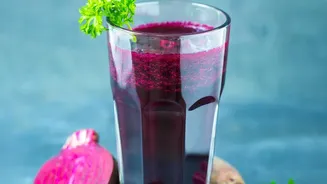








The Power of the Humble Beetroot
For years, athletes have sought ways to improve their performance, from rigorous training regimens to specialised diets. Recently, the spotlight has turned to a surprising source: beetroot. This vibrant vegetable is packed with dietary nitrates (NO3−),
natural compounds that have been shown to have a significant impact on physical performance. While it might seem unassuming, research increasingly supports the idea that the nitrate found in beetroot can offer a tangible boost, especially during short, intense bursts of effort like sprinting. The International Olympic Committee has even recognised nitrate as one of the few legal and effective supplements for athletes, citing a robust body of evidence. This has led to a surge in its popularity among both professional and amateur athletes looking for a natural edge.
From Nitrate to Nitric Oxide: The Body's Performance Engine
So, how does it work? The magic lies in a chemical conversion process. When you consume beetroot, the bacteria in your mouth convert the dietary nitrate into nitrite (NO2−). This nitrite then circulates in your bloodstream and, particularly in areas with low oxygen (like hard-working muscles), is converted into nitric oxide (NO). Nitric oxide is a powerful vasodilator, meaning it relaxes and widens your blood vessels. This process enhances blood flow, allowing more oxygen and nutrients to be delivered to your muscles precisely when they need it most. Improved oxygen efficiency means your muscles can work harder for longer before fatiguing. Think of it as upgrading your body's internal delivery system to fuel peak performance.
Protecting Muscles During All-Out Sprints
The benefits of nitric oxide go beyond just improved blood flow, especially for sprinters. Research suggests that it also plays a direct role within the muscle cells themselves. Studies have shown that increased nitric oxide availability can enhance the function of fast-twitch muscle fibres—the very fibres responsible for generating the explosive power needed for sprinting. Specifically, it appears to improve the muscle's calcium handling, which is critical for the speed and force of muscle contractions. This means your muscles can contract more powerfully and efficiently. By improving the efficiency of ATP (the body's energy currency) and reducing the oxygen cost of exercise, nitrate helps protect muscle function during repeated, all-out sprints, allowing athletes to maintain higher power outputs for longer.
What Does 'Micro-Dosing' Mean Here?
The term 'micro-dosing' might evoke images of other substances, but in the context of beetroot, it refers to a more practical approach to supplementation. Instead of drinking large volumes of juice, athletes are turning to small, concentrated 'shots' of beetroot juice. Scientific studies often use doses ranging from about 5 to 16 millimoles (mmol) of nitrate to see performance benefits. This can be achieved with one or two 70ml concentrated beetroot shots, which are far more convenient than consuming several whole beets or large glasses of juice. The idea is to take a consistent, effective dose 2-3 hours before a workout to ensure peak nitrate levels in the blood during exercise. This strategy provides the performance benefits without the bulk, making it a practical pre-workout ritual.
Practical Pointers and Realistic Expectations
If you're considering adding beetroot nitrate to your routine, consistency is key. Research supports both acute dosing (a shot a few hours before an event) and chronic dosing (daily intake for several days leading up to it) for enhancing performance. However, it's important to note that the effects can vary between individuals, and some studies show that highly trained elite athletes may experience less dramatic benefits than recreational athletes. Furthermore, while the evidence for intermittent sprints is strong, some studies on other forms of high-intensity training have shown mixed results, suggesting the type of exercise matters. It's also worth remembering that supplements are just one part of the equation. A solid training plan, proper nutrition, and adequate rest remain the cornerstones of athletic performance.